Autonomous Vehicles / Robotics
🔥 Gatik Raised $200 Million to Run Driverless Trucks for Walmart and PepsiCo. It Already Booked $600 Million in Freight.
Gatik raised a $200M Series D led by Qatar Investment Authority and Koch to scale its driverless middle-mile trucks — with $600M in freight already contracted.
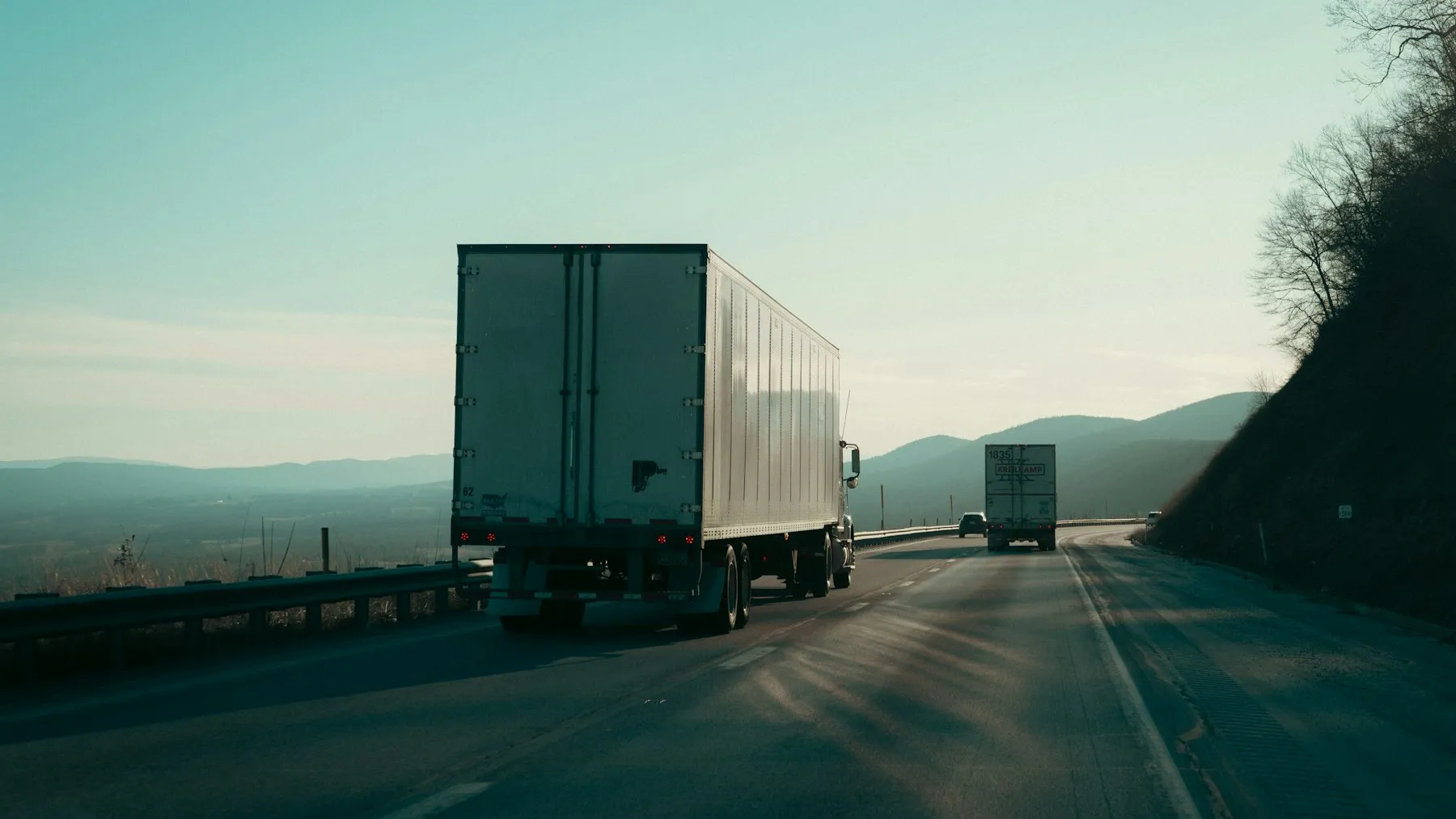
The flashy end of self-driving spent a decade selling you the robotaxi. The quiet end just raised $200 million by driving groceries between a warehouse and a store, over and over, with nobody in the cab.
Let’s get the number on the table first: $200 million. That’s the Series D that Mountain View-based Gatik closed this week, led by the Qatar Investment Authority and Koch Disruptive Technologies, with Millennium Management, Cathie Wood’s ARK Invest, and Intact Private Capital piling in behind them (The Robot Report).
But the number that actually explains the check is a different one: $600 million in contracted revenue already on the books, and 85,000 fully driverless orders delivered at a 99% on-time rate (Yahoo Finance).
The thesis is simple: while everyone argued about robotaxis, autonomous trucking quietly turned into a business that ships real food to real shelves.
🧠 Why This Matters
Most autonomous-vehicle companies you’ve heard of chase the hardest possible version of the problem: an empty car navigating chaotic city streets full of pedestrians, cyclists, and double-parked delivery vans. Gatik picked the boring version on purpose. Its trucks run fixed, repeatable “middle-mile” routes — the short hops between distribution centers and retail stores, the same roads, day after day.
Boring is the whole strategy. A fixed route can be mapped to the inch, validated, and driven thousands of times, which is exactly what a nervous customer moving temperature-sensitive freight wants. That’s why the logos on Gatik’s contracts read like a supermarket receipt: Walmart, PepsiCo, Kroger, Tyson Foods, Loblaws, and Georgia-Pacific (Forbes).
“What we’re seeing today is autonomy moving beyond a promising technology into real-world commercial operations.” — Byron Knight, President, Koch Disruptive Technologies
📊 Deep Dive
Gatik removed the human safety driver from its trucks years ago and has been running fully driverless commercial routes ever since — not in a lab, but hauling paying customers’ inventory across four regions: Texas, Arizona, Arkansas, and Canada. The pitch to investors wasn’t a demo reel. It was an income statement.
Here’s how Gatik’s numbers stack up against the story the rest of the sector usually tells:
- The raise: $200 million Series D, led by QIA and Koch Disruptive Technologies.
- Already-signed revenue: $600 million-plus in contracted freight — money committed before a dollar of this round was spent.
- Driverless track record: 85,000 fully autonomous orders completed, at 99% on-time.
- Footprint: dozens of driverless trucks live today, across Texas, Arizona, Arkansas, and Canada.
- The customers: Fortune 50 retailers, grocers, and consumer-goods giants — Walmart, PepsiCo, Kroger, Tyson Foods, Loblaws.
- The plan: scale from dozens of trucks toward thousands “in the years ahead.”
Notice what’s missing from that list: a splashy valuation. Gatik didn’t disclose one, and it didn’t need to. When you’re sitting on $600 million of signed demand, the number that moves investors is the backlog, not the mark.
“We have built Gatik with real revenue, deep customer demand, and AI-driven autonomous technology proven every day in live supply chains.” — Gautam Narang, Co-founder and CEO, Gatik
⚠️ The Catch
“Dozens of driverless trucks” is a real fleet, and it’s also a rounding error against North American freight. Gatik wants to reach thousands, and every one of those trucks means new routes to map, new depots to certify, and new regulators to satisfy — the map-it-to-the-inch discipline that makes the model safe is the same discipline that makes it slow to copy-paste into a new city.
The $600 million figure is contracted revenue, not cash in the bank. It’s the promise of freight to be hauled over time, and promises in logistics live and die on execution, weather, and whether a customer’s volumes hold up. A single high-profile crash — the kind that has bruised competitors across the AV industry — could freeze expansion and spook the very Fortune 50 names Gatik is banking on.
And the competition isn’t sleeping. Bigger, better-funded players are pointed at the long-haul highway market, and if their economics start working, they can look downhill at Gatik’s short routes.
🎯 What Happens Next
The $200 million buys trucks and geography. Expect Gatik to press hardest where it already operates — the Sun Belt and Canada — signing more retail and CPG customers whose distribution networks look like the ones it has already automated. The tell to watch isn’t a flashy new city launch; it’s the fleet count. If “dozens” becomes “hundreds” by the end of the year, the model is compounding. If it stalls, the skeptics who say autonomy never scales past the pilot get their evidence.
The other thing to watch is who else writes a check. A sovereign wealth fund and an industrial dynasty like Koch don’t usually chase demo-stage science projects; they chase cash flows. Their presence is a signal that the smart money now treats short-haul autonomy as an operations problem, not a research bet.
🧩 Bigger Picture
For a decade, “self-driving” meant the robotaxi — the glamorous, city-street, replace-your-Uber dream that kept slipping past its deadlines. Gatik’s round is a marker that the money has quietly rotated toward the least glamorous corner of the map: a truck full of soda running the same 20 miles between a warehouse and a Walmart, forever, without a driver.
That’s the version of autonomy that reaches you first — not as a car you ride in, but as the invisible machinery that keeps the shelf stocked. Cathie Wood put ARK’s money behind exactly that reading of the market.
“Gatik has demonstrated that autonomous trucking is moving beyond experimentation into commercially viable operations with growing customer adoption.” — Cathie Wood, Founder, ARK Invest
The robotaxi promised to change how you move. The driverless box truck is changing how everything you buy moves — and it booked $600 million doing it while nobody was watching.
Sources