
Startups
VoyaBear Launches on iOS and Android
VoyaBear, the AI travel planner built around 16 travel personalities, is now on the App Store and Google Play. Founder Jen-Yu Teng explains why she built it.
Author
Tech Arcade is a Voyager AI product that delivers bite-size tech news every day. Stories are researched and drafted by our AI newsroom, then checked against at least two independent sources, with every source linked in the article.
VoyaBear, the AI travel planner built around 16 travel personalities, is now on the App Store and Google Play. Founder Jen-Yu Teng explains why she built it.
DeepSeek went out for about $7 billion and investors came back with at least $12 billion, in a Tencent- and CATL-led round ahead of a planned 2027 IPO.
Schneider Electric agreed to buy PTC for $22.6 billion in cash — a 42.3% premium and its largest acquisition ever. Then its own stock fell 9%. Inside the industrial-software megabet.
FieldAI signed a term sheet for $700M at a $10 billion valuation, up 5x from $2 billion in just over a year. The twist: it builds software for robots it doesn't make.
Micron just booked $54.23 billion in a single quarter, up 379% year over year, as AI's hunger for high-bandwidth memory turns a commodity-chip maker into one of the most profitable hardware businesses on Earth.
A New Mexico jury found Meta liable for 43.9 million privacy violations. At $5,000 apiece, that's a $219.5 billion ceiling — here's the wild math, and why a judge may trim it.
Google flew four Trillium TPUs into orbit on October 1 for Project Suncatcher. The chips survived radiation, but the real wall is an 18x launch-cost gap and 15-minute compute bursts.
Kevin Mandia sold Mandiant to Google for $5.4B. His new startup Armadin just raised $255.5M at a $2.5B valuation to point swarms of AI agents at your own network, before real attackers do.
Instinct, a 23-year-old founder's invite-only AI assistant, raised $1B at a $10B valuation — 4x its price from a month earlier, with no app and no public user numbers.
Portugal's Tekever just raised $580 million at a $6.4 billion valuation, co-led by the University of California's endowment, on the strength of 50,000 flight hours over Ukraine.
EliseAI's software already runs one in six U.S. apartments. Its new $350M round at a $4B valuation, led by a16z and Bessemer, is a bet that the biggest AI money hides in the admin work of housing and healthcare.
Dallas-based Texas Stock Exchange raised $155M, pushing total funding to $430M, after pulling its first listings off Nasdaq and giving the NYSE-Nasdaq duopoly a credible third rival.
General Intuition just closed $220M at a $6.2B valuation, betting that billions of gameplay clips a year can teach robots and self-driving cars how to move.
The FDA just approved FAYUVI, the first-ever treatment for Sanfilippo syndrome type A: a one-time gene therapy from Ultragenyx priced at $3.95 million per patient.
AMD is paying $8.2 billion in stock for Fei-Fei Li's World Labs — a ~40-person, two-year-old startup — to buy its way into spatial AI and take a swing at Nvidia.
SiMa.ai raised $150M at a $1.45B valuation to run AI on-board robots, drones, and cars — betting the next chip war happens outside the data center.
Adicet's off-the-shelf CAR-T put 54% of a small lupus trial into remission on a single dose. Then the stock dropped 22%.
Precision Neuroscience closed an oversubscribed $250M Series D at a ~$1B valuation, betting its surface brain implant beats drilling into tissue.
Snorkel AI closed a $350M Series E at a $3.5B valuation, tripling in 16 months on a $375M revenue run rate. The bottleneck in AI is no longer compute, it's data hard enough to make models smarter.
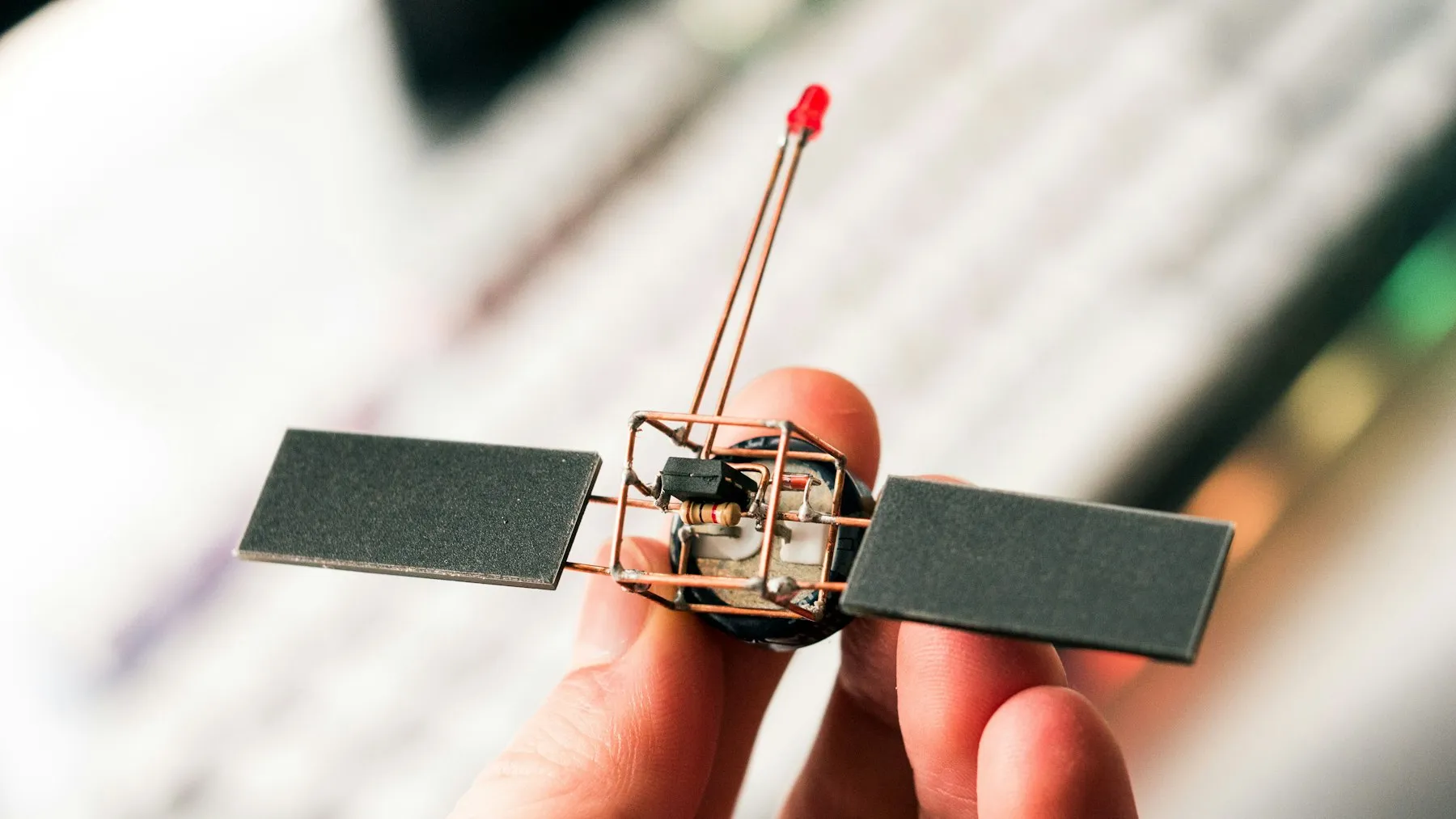
Hubble Network raised $200M at a $1.6B valuation to connect standard, sub-50-cent Bluetooth chips directly to satellites — no SIM, no tower, no new radio.
Island just raised a $400M Series F at a $6.4B valuation for its enterprise browser — as AI agents turn the humble tab into the place companies police their software.
Anthropic will pay Akamai $11.6 billion over seven years — potentially $20 billion — for CPU cloud capacity to run Claude, and handed over a warrant for up to 5% of the company.
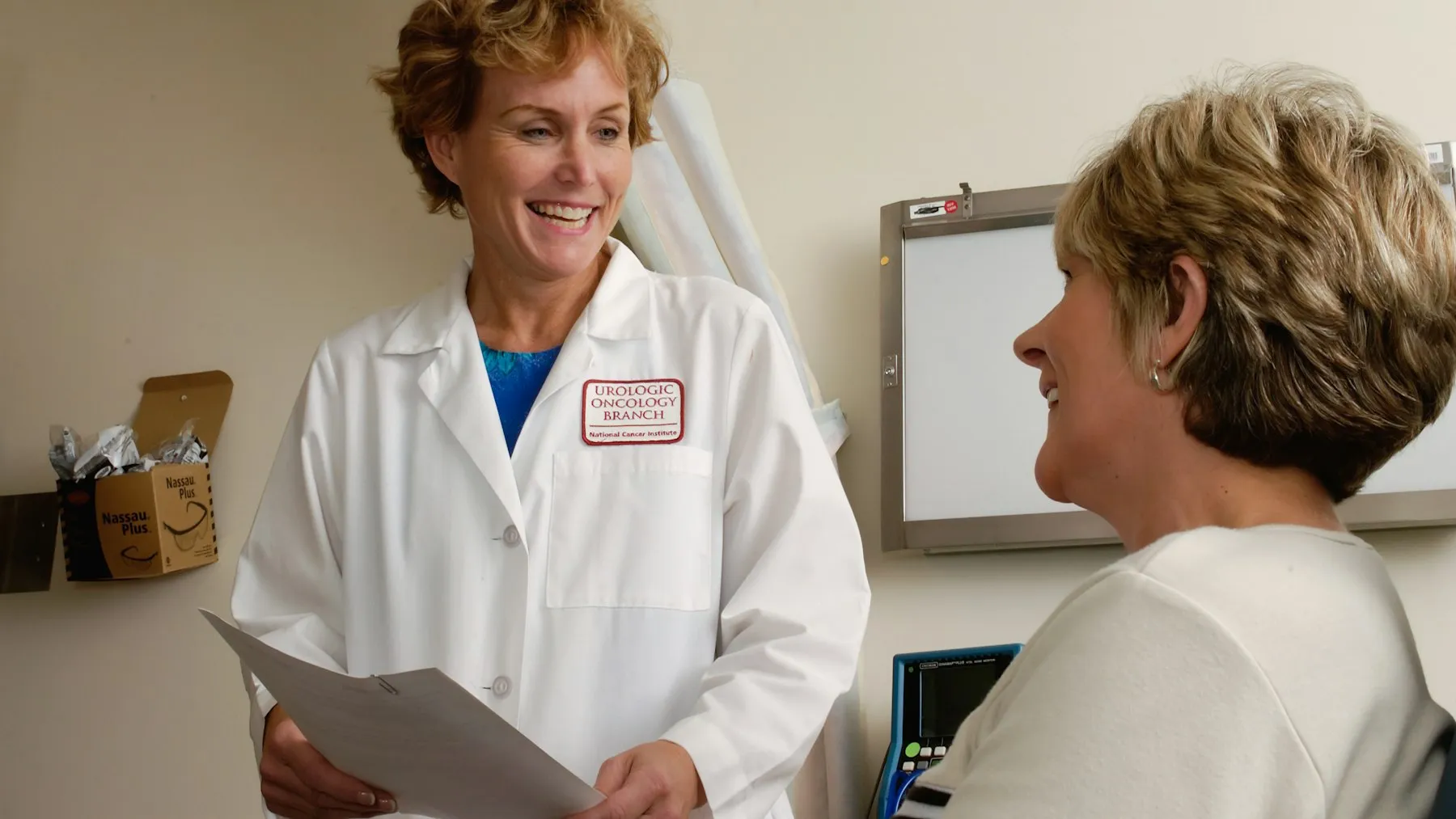
OpenEvidence raised $250M at a $15B valuation for an AI clinical-search tool that's free to the ~40% of U.S. doctors who use it — with pharma ads footing the bill.
Ultragenyx's Fayuvi is the first-ever treatment for Sanfilippo syndrome type A — a one-time gene therapy priced at $3.95 million.