🔥 A Kidney Disease With No Approved Drug Just Got One, and It Won 36 to 6
The FDA approved Genentech's Gazyva as the first-ever drug for primary membranous nephropathy, after it beat tacrolimus 36% to 6% on complete remission.
Your kidneys can leak protein for years before you feel a thing. Then your ankles swell, your urine turns foamy, a biopsy lands, and you get a diagnosis that until this month had no drug approved to treat it.
Let’s get the number on the table first: 36% versus 6%. That is the share of patients who reached complete remission on Genentech’s Gazyva versus the long-standing comparator after two years, in the trial that just won the first-ever FDA approval for primary membranous nephropathy, a stubborn autoimmune kidney disease (Healio).
A condition that has quietly pushed people toward dialysis for decades finally has a treatment on the label. That lopsided scoreline is why the FDA signed off.
The approval does not invent a new medicine so much as make official what kidney doctors were already doing off the books.
🧠 Why This Matters
Primary membranous nephropathy is the most common cause of nephrotic syndrome in non-diabetic adults. Your immune system makes antibodies that attack a protein on the kidney’s own filtering membrane, the filter springs a leak, and protein that belongs in your blood pours into your urine. Left alone, a meaningful share of patients slide toward kidney failure.
Here is the awkward part: doctors have treated it for years with drugs borrowed from oncology and transplant medicine, none of them actually approved for the job. That off-label status is not a technicality. It gives insurers an opening to deny coverage and leaves prescribers exposed. An FDA label changes the paperwork, and in American medicine the paperwork is the treatment.
Gazyva (obinutuzumab) is a monoclonal antibody that targets CD20, a marker on the B cells that produce those rogue antibodies. Wipe out the B cells, choke off the antibody supply, and the filter gets a chance to heal. It is not a new idea. It is a 2013 lymphoma drug being pointed at a new target.
📊 Deep Dive
The approval rests on MAJESTY, a phase 3 trial published in the New England Journal of Medicine that randomised 142 adults to either obinutuzumab or tacrolimus, the calcineurin inhibitor long used as a fallback (Healio). Here is how the two drugs stacked up at week 104:
- Complete remission: 36% on Gazyva versus 6% on tacrolimus (Pharmaceutical Executive)
- Overall remission (complete or partial): 50% versus 12.9% (Healio)
- Remission definition: a urine protein-creatinine ratio of 0.3 g/g or lower, with kidney function holding steady
- Trial size: 142 randomised adults, head to head
- Most common side effects: infusion-related reactions and upper respiratory infections
A six-to-one gap on the metric that matters, complete remission, is the kind of separation that gets a first-in-disease drug over the line. This is Gazyva’s third FDA approval in immune-mediated kidney disease, after paediatric nephrotic syndrome and adult lupus nephritis (BioPharm International).
⚠️ The Catch
The comparator is the catch. Tacrolimus is a real-world option, but it is not the drug most nephrologists reach for first. Many already use rituximab, another B-cell depleter, or cyclophosphamide, off-label. Gazyva has not been tested head to head against either.
“We are certainly due for a change in guidelines given the data.” — Anna Burgner, MD, MEHP, who noted Gazyva has not been compared against rituximab or cyclophosphamide (Healio)
So the win is over tacrolimus, not over the toughest competition in the room. There is also a boxed warning for hepatitis B reactivation and progressive multifocal leukoencephalopathy, a rare but serious brain infection, which is standard territory for a drug that strips out part of your immune system but worth saying plainly.
🎯 What Happens Next
Watch two things. First, the treatment guidelines. A trial this clean against a standard agent is exactly what guideline committees wait for, and the field is openly expecting a rewrite. Second, access. An approved label is leverage against insurers who have spent years questioning off-label B-cell therapy.
“This approval is important validation of what we have been doing to manage this disease.” — Brad Rovin, MD, FASN, FACP, who said it should ease insurer objections and improve patient access (Healio)
Translation: a lot of patients who were already getting B-cell drugs will now get them with far less friction, and the ones who were denied may stop being denied.
🧩 Bigger Picture
Gazyva’s win fits a pattern worth clocking. The hottest move in kidney medicine right now is not inventing molecules from scratch. It is taking established immunology drugs and aiming them at autoimmune kidney conditions that have gone decades without a dedicated therapy. Obinutuzumab started as a blood-cancer drug. It now has three kidney approvals.
It also landed in a busy stretch for the FDA. The same mid-November window brought AstraZeneca’s Klygefa, a once-weekly nanobody for generalised myasthenia gravis, and a rejection for Summit Therapeutics’ lung-cancer candidate ivonescimab, where a progression-free survival benefit was not enough without a clear overall-survival win (BioPharm International). The regulator is rewarding hard remission and survival data, and sending back everything short of it.
For patients with a disease that spent years in the off-label shadows, the headline is simpler than the trial design. There is finally a box to tick, and the drug behind it beat the standard six to one.
Sources
- FDA approves Gazyva for proteinuria remission in primary membranous nephropathy — Healio
- FDA approves Klygefa, Gazyva and Igalmi — Pharmaceutical Executive
- The BioPharm Brief: FDA rejects ivonescimab, Gazyva becomes first approved pMN therapy — BioPharm International
- FDA approves obinutuzumab (Gazyva) for primary membranous nephropathy — HCPLive
❓ Quick answers
What did the FDA approve for membranous nephropathy in November 2026?
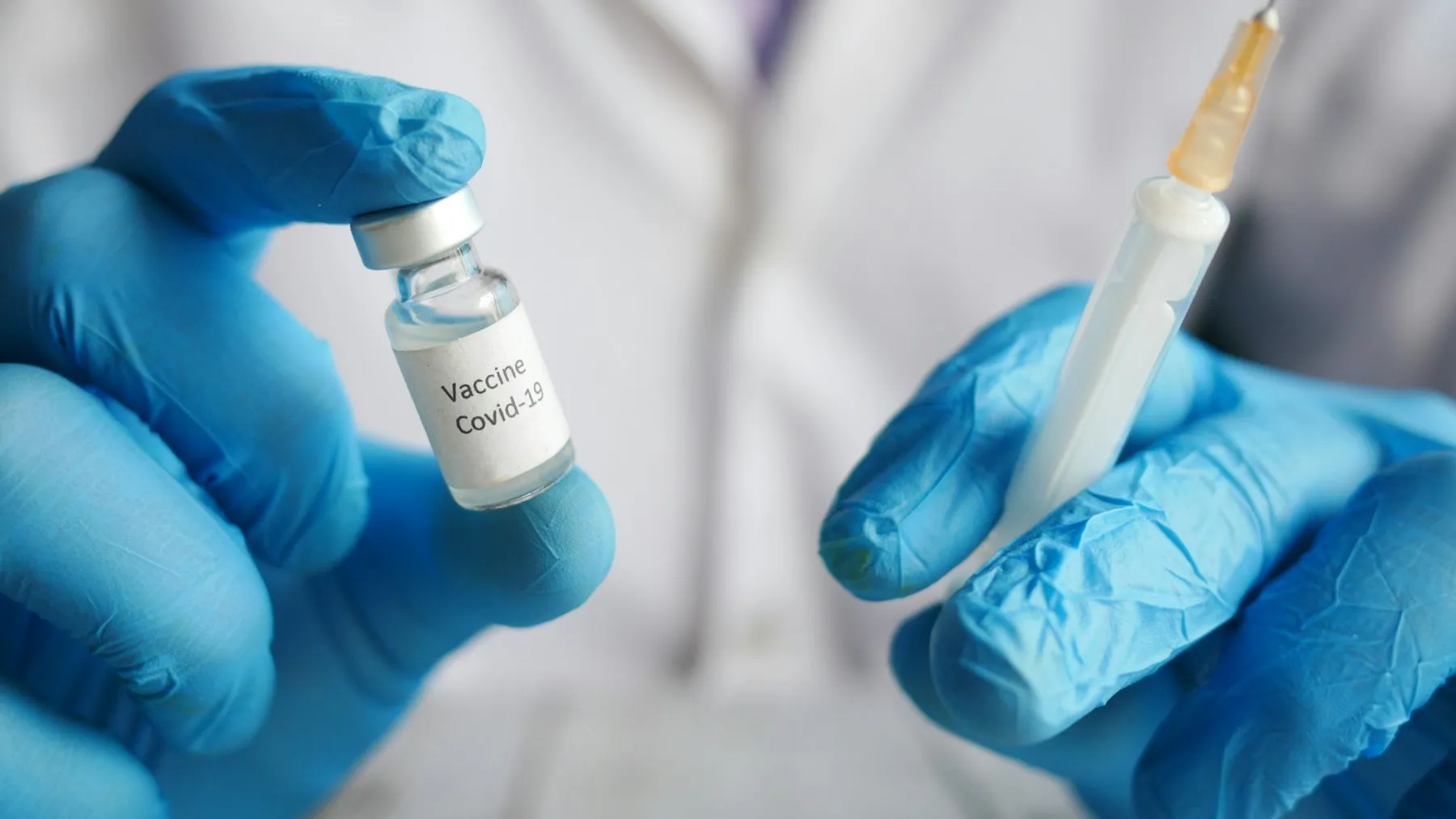
On 16 Nov 2026 the FDA approved Genentech's Gazyva (obinutuzumab), the first-ever drug approved for primary membranous nephropathy, based on the phase 3 MAJESTY trial (Pharmaceutical Executive).
How well did Gazyva work in the MAJESTY trial?
In 142 adults, 36% reached complete proteinuria remission at week 104 versus 6% on tacrolimus, and 50% versus 12.9% for overall remission (Healio).
What is the catch with the Gazyva approval?
Gazyva was tested against tacrolimus, not against rituximab or cyclophosphamide, the B-cell drugs many nephrologists already use off-label, and it carries a boxed warning for hepatitis B reactivation and PML (Healio).