🔥 The FDA Just Cleared a Fifth Eye Drop for Aging Eyes — and the First Four Barely Sold
The FDA approved Opus Genetics' RYZUMVI eye drop for presbyopia on Oct 16, 2026 — the fifth such drop, in a market where the first four barely sold.
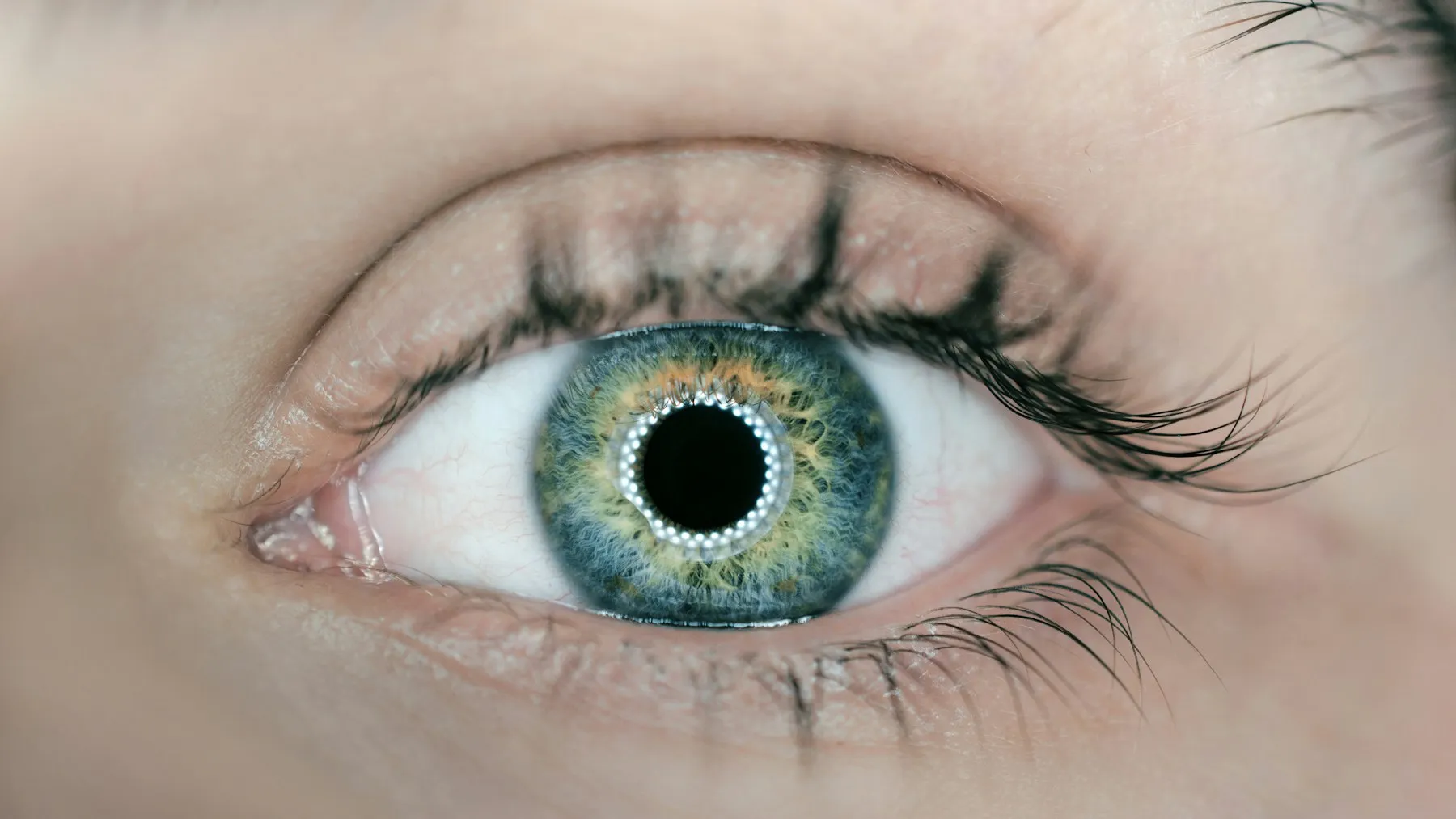
If you’re over 45 and have ever held a menu at arm’s length to read it, the U.S. Food and Drug Administration just made a decision with your name on it.
On October 16, a small North Carolina biotech called Opus Genetics (Nasdaq: IRD) announced that the FDA approved its eye drop, RYZUMVI, for the treatment of presbyopia in adults — the age-related blur that eventually makes near objects go soft for almost everyone (Opus Genetics press release).
Let’s get the number on the table first: roughly 90% of U.S. adults over 45 have presbyopia — a pool the industry pegs at around 128 million Americans (Opus Genetics; Review of Optometry). That’s the size of the prize. It’s also, as you’ll see, the size of the trap.
Because RYZUMVI is now the fifth prescription drop cleared to soften that blur. The first four are already on pharmacy shelves. And almost nobody is buying them.
The thesis: approval was the easy part — the hard part is convincing 128 million people to put drops in their eyes instead of reaching for $12 readers.
🧠 Why This Matters
Presbyopia is the most democratic eye condition there is. The lens inside your eye stiffens with age, and at some point in your mid-40s the fine print wins. The fix has been the same for 700 years: reading glasses. Cheap, instant, no prescription.
An eye drop that buys you a few hours of sharp near vision is a genuinely nice idea — no glasses perched on your nose, no fumbling in a bag. The catch is that “nice idea” and “thing people pay for monthly” are very different businesses, and the presbyopia-drop category has spent four years learning the difference the hard way.
RYZUMVI matters because it arrives with a different mechanism than most of its rivals, and because its maker is a $331 million company with no product revenue yet (GuruFocus). For Opus Genetics, this isn’t a nice-to-have launch. It’s the whole story.
📊 Deep Dive
RYZUMVI’s active ingredient is phentolamine ophthalmic solution 0.75%, a preservative-free drop. Most presbyopia drops lean on pilocarpine, which shrinks your pupil by squeezing the eye’s focusing muscle. Phentolamine is an alpha-blocker: it reduces pupil size without tugging on the ciliary muscle (GuruFocus). Smaller pupil, deeper focus — the same pinhole trick a photographer uses to get everything sharp — without the brow-ache and dim-vision complaints that dogged the pilocarpine crowd.
The approval was backed by two pivotal Phase 3 trials, VEGA-2 and VEGA-3, which Opus says met their primary and all key secondary endpoints with no treatment-related serious adverse events (Opus Genetics). The most common side effects in the presbyopia group were red eyes (21%) and irritation at the drop site (16%) — mild, but worth knowing before you expect a miracle.
Here’s how the shelf looks now that RYZUMVI has landed:
- RYZUMVI (phentolamine 0.75%, Opus Genetics / commercialized by Viatris): just approved October 16, 2026; alpha-blocker mechanism that shrinks the pupil without engaging the focusing muscle.
- Vuity (pilocarpine 1.25%, AbbVie): the 2021 pioneer that opened the category — and still hasn’t moved enough product for AbbVie to break out its revenue (Review of Optometry).
- VIZZ (aceclidine 1.44%, LENZ Therapeutics): launched October 2025; about 46,000 cumulative paid prescriptions and $1.7 million in quarterly product revenue through early 2026 (Review of Optometry).
- Qlosi (pilocarpine 0.4%, Orasis): on the market since spring 2025.
- YUVEZZI (carbachol/brimonidine, Tenpoint Therapeutics): rolled out broadly in early 2026.
Five drops, one blurry customer base. And the one with a four-year head start still can’t show investors a number.
⚠️ The Catch
This is where the glossy press release and the income statement disagree.
“Vuity still hasn’t generated enough revenue for AbbVie to break it out in their quarterly filings.” — Review of Optometry
Read that twice. AbbVie is one of the largest drugmakers on earth. It launched the first-ever presbyopia drop with a national ad campaign. Four years later the product is a rounding error. VIZZ, the current darling, did $1.7 million in a quarter — real growth at 19% over the prior one, but a long way from a blockbuster (Review of Optometry).
The reasons are stubborn. The effect is temporary, so you’re dosing daily or near-daily, forever. Insurance coverage is thin because reading glasses are the cheap alternative sitting right there. And “put a drop in your eye every morning” is a bigger behavior change than it sounds.
Then there’s Opus itself. GuruFocus flags a price-to-sales ratio of 30.3 against a historical median of 3.6, a GF Score of 21 out of 100, and insiders who sold $19.3 million in stock over the past year while buying $0.3 million (GuruFocus). A clean label and a differentiated mechanism don’t pay the bills. Scripts do.
🎯 What Happens Next
Opus doesn’t sell the drop — Viatris does, under an exclusive U.S. licensing deal, and the approval triggers a milestone payment to Opus (Opus Genetics). That matters: Viatris has the salesforce and the payer relationships Opus could never afford, which is exactly why Opus handed it off.
“This approval marks an important milestone for Opus Genetics… we look forward to working closely with our commercial partner to bring RYZUMVI to patients.” — George Magrath, M.D., CEO, Opus Genetics
Watch two things. First, pricing and coverage — the single biggest reason the category has underperformed. Second, Opus’s other shot on goal: a separate Phase 3 program called LYNX, testing the same drug for dim-light vision trouble after laser eye surgery, a niche with far less competition and far more desperate patients.
🧩 Bigger Picture
The presbyopia-drop story is a clean lesson in the gap between regulatory success and commercial success. The FDA’s job is to decide whether a drug is safe and works. It has now said yes five times. The market’s job is to decide whether people will pay, repeatedly, for a convenience they can replace for $12 at the drugstore — and so far the market keeps saying not really.
RYZUMVI’s bet is that mechanism matters: that a drop which skips the focusing-muscle side effects will finally convert the skeptics. Maybe. The science is sound and the target market is enormous and getting older by the day. But enormous markets have swallowed good drops before.
Approval gets you a seat at the table. Whether 128 million people pull up a chair is the only question that counts.
Sources
- Opus Genetics press release (GlobeNewswire), Oct 16, 2026
- GuruFocus: Opus Genetics gains FDA approval for phentolamine ophthalmic solution
- Review of Optometry: Is the presbyopia drop market ready?
❓ Quick answers
What did the FDA approve for presbyopia in October 2026?
On October 16, 2026, the FDA approved Opus Genetics' RYZUMVI (phentolamine ophthalmic solution 0.75%) for treating presbyopia in adults (source: Opus Genetics press release).
How does RYZUMVI work for presbyopia?
It's an alpha-blocker that reduces pupil size without engaging the eye's focusing muscle, creating a pinhole effect that sharpens near vision (source: GuruFocus).
How big is the presbyopia market?
About 90% of U.S. adults over 45 have presbyopia, roughly 128 million people, though prescription drops have sold slowly since Vuity launched the category in 2021 (sources: Opus Genetics, Review of Optometry).