🔥 Pfizer Just Paid $330 Million to Skip Cell Therapy's Hardest Step
Pfizer is paying $330M up front, up to $2.6B total, for three in vivo CAR-T programs from China's Starna, a bet it can make cell therapy injectable.
Pfizer wants into the hottest corner of cell therapy without building the factory, and it just wrote a cheque to prove it.
Let’s get the number on the table first: $330 million, paid up front, to a four-year-old biotech most people have never heard of. Add the milestones and the deal runs up to $2.6 billion (Pfizer). The target is not another lab-grown cancer treatment. It is in vivo CAR-T: the idea that you can reprogram a patient’s immune cells inside their body instead of shipping their blood to a plant and back.
That distinction is the whole story. Traditional CAR-T works, and it is brutal to deliver. In vivo promises the same mechanism without the logistics.
Pfizer is betting $2.6 billion that the promise holds.
🧠 Why This Matters
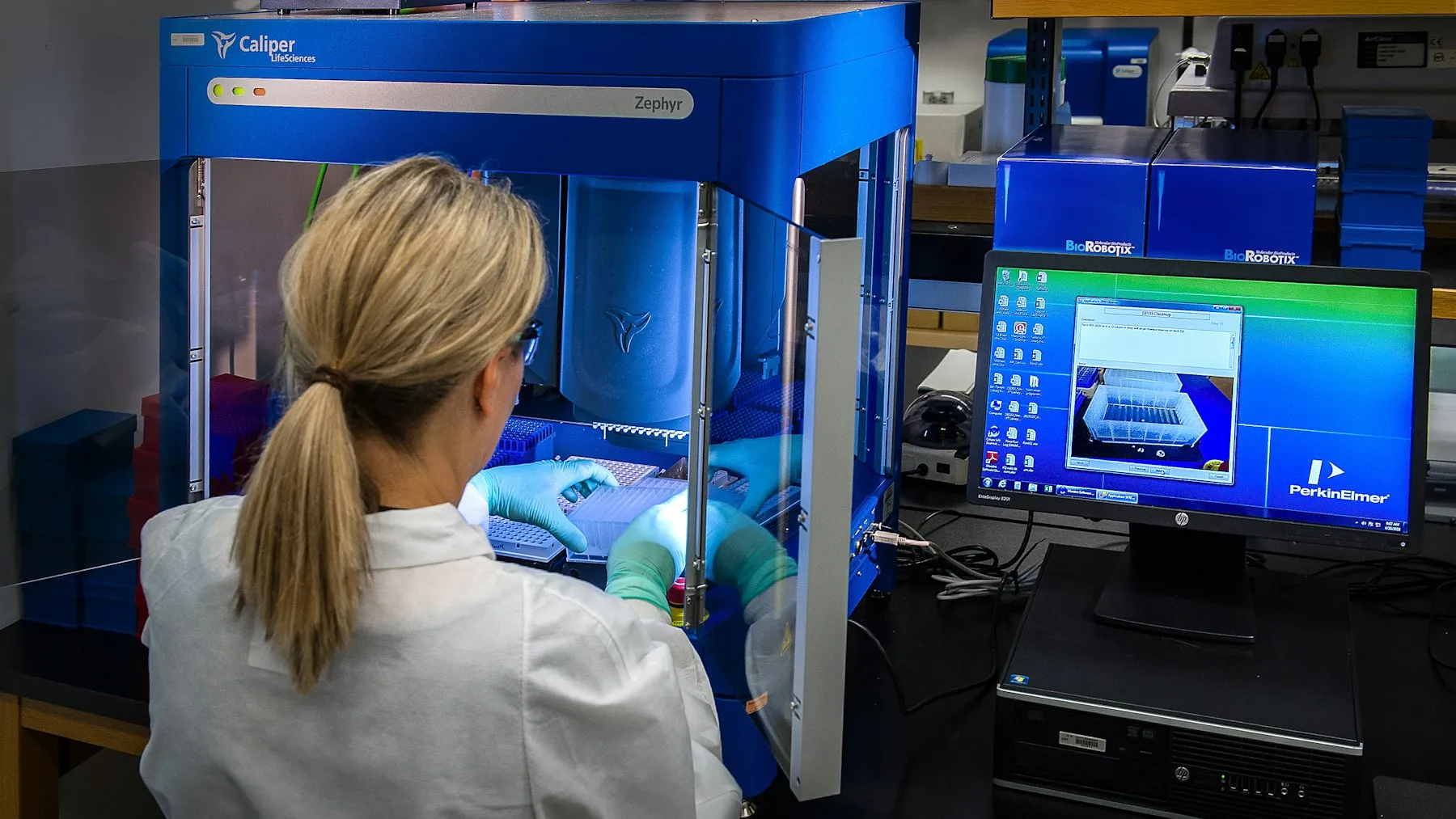
Approved CAR-T therapies are some of the most effective cancer drugs ever made, and some of the least scalable. The standard version is bespoke: pull a patient’s T cells, ship them to a specialised plant, engineer them to hunt a specific target, grow them, and infuse them back weeks later. Every dose is a one-off. The price tags sit in six figures, and the manufacturing line is the bottleneck.
In vivo CAR-T deletes that middle step. Instead of editing cells in a factory, you inject a delivery vehicle, in Starna’s case an RNA payload wrapped in a lipid nanoparticle, and let it reprogram the T cells where they already live. No extraction. No bespoke batch. Potentially off the shelf.
Pfizer is not dabbling. It licensed three pre-IND programs plus rights to Starna’s in vivo CAR-T platform across both immunology and oncology, with the lead focus on autoimmune disease (FierceBiotech).
“In vivo CAR-T is an emerging and promising approach for treating autoimmune diseases,” said Michael Vincent, Pfizer’s Chief Inflammation and Immunology Officer. (Pfizer)
📊 Deep Dive
Here is the shape of the deal, and the land grab it sits inside.
Starna gets $330 million now and up to $2.3 billion more if the programs clear development and commercial milestones (Pfizer). Pfizer takes exclusive rights everywhere outside Greater China, leads clinical development, and plans to make the early clinical supply at its own US sites. It also holds an option to expand into Greater China later. Starna keeps its home market for now.
Put it next to the other in vivo cell-therapy bets of the past 20 months and the pattern is hard to miss:
- Pfizer / Starna, Nov 2026: up to $2.6B, $330M up front, three programs, autoimmune-led (a licensing deal)
- Lilly / Kelonia, Apr 2026: up to $7B, an outright acquisition of an in vivo CAR-T platform (Yahoo Finance)
- AstraZeneca / EsoBiotec, Mar 2025: up to $1B, acquisition of a Belgian in vivo cell-therapy biotech (FierceBiotech)
Three of pharma’s biggest names, three different structures, one conviction: whoever makes cell therapy injectable and repeatable owns a category that spans both cancer and autoimmune disease.
⚠️ The Catch
None of these programs has reached a human trial. “Pre-IND” is the polite term for it. These three Starna assets have not yet even filed to start first-in-human testing (FierceBiotech). Everything past the $330 million is a maybe.
In vivo CAR-T is also unproven at scale. Getting a delivery particle to hit the right immune cells, in the right numbers, without lighting up the rest of the body, is the exact problem the field has been chipping at for years. The upside is large precisely because nobody has nailed it yet. Autoimmune disease raises the bar further: these are not last-line cancer patients with nothing to lose, so the safety margin has to be wider.
The milestone structure tells you Pfizer knows all this. Roughly four fifths of the headline number is contingent. This is an option on a frontier, not a sure thing.
🎯 What Happens Next
Watch for the first IND filings. The moment any of the three programs asks to start human trials, the clock on those milestones starts and the science stops being theoretical.
Watch the Greater China option too. If Pfizer exercises it, the deal gets bigger and the territorial split that defines this agreement folds into a global one.
And watch Pfizer’s immunology pipeline. The company planted its flag on autoimmune disease as the lead use, not oncology. If in vivo CAR-T can reset a misfiring immune system the way it clears tumour cells, the addressable market is vast, and already crowded with everything from biologics to the newer autoimmune cell therapies in trials today.
🧩 Bigger Picture
Two trends collide in this one deal.
The first is in vivo cell therapy going from science project to bidding war in under two years. The second is where Pfizer went shopping. Starna is a biotech founded in 2021, based in Jiangsu, that raised a $44 million Series B in May backed by Lilly Asia Ventures and Primavera Capital (FierceBiotech). It is now the source of Pfizer’s in vivo CAR-T platform everywhere outside its home market.
That is not a one-off. Cross-border out-licensing by Chinese biotechs hit a record of roughly $136 billion in 2025, and analysts expect 2026 to top it as the pipelines mature (Caixin Global; Reuters via Yahoo Finance). Global pharma once treated Chinese labs as a discount rack. The upfront cheques this year say that framing is out of date.
For Pfizer, staring down a wall of patent expiries at the end of the decade, the logic is clean: buy the next platform early, structure most of the cost as milestones, and let someone else have taken the first scientific risk. $330 million is a rounding error if in vivo CAR-T works. If it doesn’t, Pfizer walks away having spent less than it earns in a slow week.
Cell therapy spent a decade being miraculous and unscalable. The whole industry is now racing to delete the second half of that sentence, and Pfizer just paid $330 million for a head start.
Sources
- Pfizer, press release: exclusive licensing agreement with Starna
- FierceBiotech: Pfizer enters in vivo CAR-T space in 3-program, $2.6B deal with China’s Starna
- Caixin Global: Chinese drugmakers strike record $136 billion in cross-border licensing deals
- Reuters via Yahoo Finance: China biotech licensing boom to hit record in 2026
- FierceBiotech: AstraZeneca’s ~$1B in vivo deal for EsoBiotec
- Yahoo Finance: Eli Lilly acquires Kelonia Therapeutics (up to $7B)
❓ Quick answers
How much is Pfizer paying Starna Therapeutics for its CAR-T programs?
Pfizer is paying $330 million up front plus up to $2.3 billion in milestones, a deal worth as much as $2.6 billion, announced on November 18, 2026 (Pfizer).
What is in vivo CAR-T and why does it matter?
In vivo CAR-T reprograms a patient's T cells inside the body using a delivery vehicle such as an RNA-loaded lipid nanoparticle, avoiding the lab extraction and bespoke manufacturing that make conventional CAR-T slow and expensive (FierceBiotech).
Who is Starna Therapeutics?
Starna is a biotech founded in 2021 and based in Jiangsu, China, developing RNA-based in vivo CAR-T therapies; it raised a $44 million Series B in May 2026 backed by Lilly Asia Ventures and Primavera Capital (FierceBiotech).