🔥 Dren Bio Raised $350 Million for One Antibody That Deletes Rogue Immune Cells
Dren Bio raised an oversubscribed $350M to advance dibotatug, an antibody that deletes disease-causing immune cells while sparing the rest.
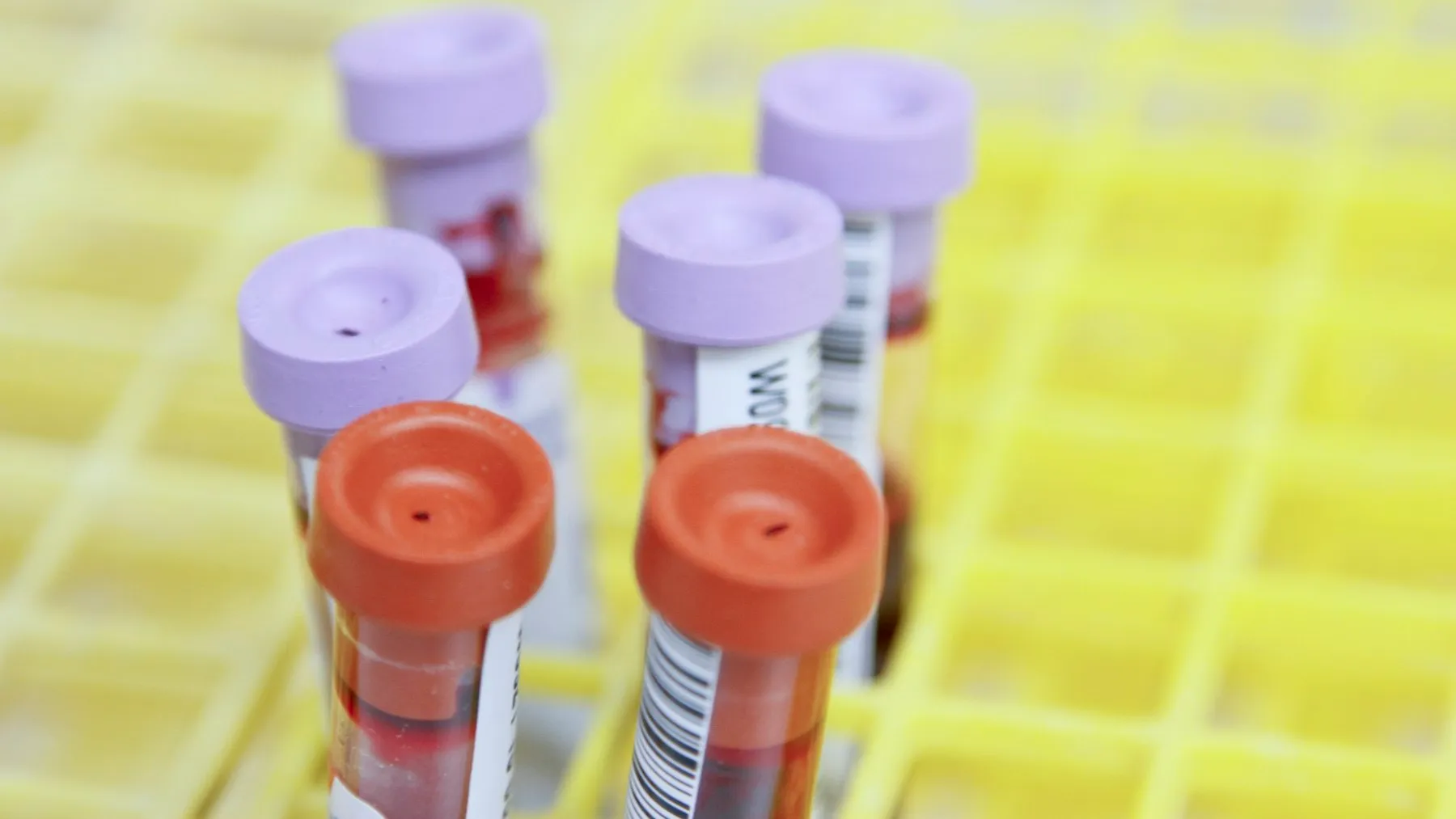
Dren Bio just pulled in $350 million in a single private round, and it was oversubscribed. That is the number to hold onto, because it is a very large cheque for a biotech whose whole pitch rests on one antibody.
The Foster City, California company closed the financing at the end of October 2026, co-led by Juvia Group and Lightspeed Venture Partners, with Cormorant Asset Management, General Catalyst, Mirae Asset Capital Life Science and OrbiMed all writing new cheques (Pharmaceutical Technology). Four years ago the company raised a $65 million Series B (FinSMEs). This round is more than five times that.
The money points at one drug: dibotatug, also called DR-01. The idea behind it is almost rude in how simple it sounds. Rather than turning down your entire immune system, it removes the specific cells causing the disease and leaves everything else working.
The bet is that precision beats brute force, and $350 million just landed on the precision side.
🧠 Why This Matters
Most drugs that quiet an overactive immune system work like a dimmer on the whole room. Steroids, broad immunosuppressants and many biologics knock back large swathes of immune activity, which is why they come with a long tail of infection risk and side effects. You dial down the disease, but you dial down a lot of healthy defence with it.
Dibotatug goes after a narrower switch. It is a fully human monoclonal antibody that targets CD94, a marker sitting on cytotoxic T cells and natural killer cells (parsers.vc). In the diseases Dren is chasing, a rogue population of those cytotoxic cells is the problem. The antibody is built to delete that pathogenic population while sparing the rest of the immune system.
“We founded Dren Bio with a simple vision: pursue novel science to develop medicines.” — Nenad Tomasevic, founder and CEO (Pharmaceutical Technology)
If that targeting holds up in late-stage trials, it is the difference between a sledgehammer and a scalpel for a set of conditions that currently have neither.
📊 Deep Dive
Dibotatug is already deep into the clinic, not sitting in a petri dish. More than 300 patients have received it across Phase 1 and Phase 2 studies, and Dren says the drug is now nearing regulatory submission (Pharmaceutical Technology). That is unusually late-stage for a company still raising private money rather than trading on a public market.
The two lead indications are small, brutal and underserved:
- Cytotoxic T-cell lymphoma — an aggressive blood cancer with no approved therapy (parsers.vc).
- Large granular lymphocytic (LGL) leukemia — a chronic disease tied to severe neutropenia, anaemia and transfusion dependence, also with no approved therapy (Pharmaceutical Technology).
Here is how the approach stacks up against the usual playbook:
- Target: CD94 on pathogenic cytotoxic cells, versus broad immune suppression that hits healthy cells too.
- Breadth: Selective depletion of one cell population, versus system-wide dampening.
- Starting point: Two cancers with zero approved drugs, versus crowded markets with existing standards of care.
- Reach: A planned push into aplastic anaemia, other bone marrow failure syndromes and autoimmune disease, versus a single-indication play (parsers.vc).
That last point is the real reason the round is this size. Autoimmune disease is where the big money lives, and a drug that can precisely remove a disease-driving immune population has an obvious story in lupus, rheumatoid conditions and beyond. Dren is being funded to prove the mechanism in cancer first, then carry it into far larger patient pools.
⚠️ The Catch
One drug, one mechanism, a lot of expectation. A $350 million private round concentrates risk rather than spreading it. If dibotatug stumbles in a pivotal trial, there is no second late-stage asset waiting to carry the valuation.
The headline indications are also genuinely rare, which cuts both ways. Rare diseases with no approved therapy can mean a faster regulatory path and strong pricing power, but they also mean small patient numbers and a commercial case that leans heavily on the autoimmune expansion actually working. None of those broader indications have reported pivotal data yet.
And “selective depletion” is a promise until the long-term safety record says otherwise. Removing a slice of your cytotoxic immune cells is still removing immune cells. The 300-plus patients treated so far are encouraging, but late-stage and post-approval data are where that kind of claim gets tested properly. The company has not disclosed a valuation for this round, so outside investors cannot yet see what price all of this optimism was struck at.
🎯 What Happens Next
The near-term milestone to watch is regulatory submission. Dren says dibotatug is approaching it, which puts a potential first approval within realistic sighting distance rather than in the far future.
After that, two things matter. First, whether the drug converts its Phase 1/2 signal into a clean pivotal result in cytotoxic T-cell lymphoma or LGL leukemia. Second, how fast the autoimmune programmes move, because that is where a niche oncology antibody becomes a platform. The new board seats for Juvia Group’s Sujal Shah and Lightspeed’s Shelley Chu suggest investors expect to be steering this for several years, not flipping it (Pharmaceutical Technology).
Expect the next headlines to be trial readouts and a filing, not another mega-round. At this size, Dren has runway to reach those catalysts on its own terms.
🧩 Bigger Picture
This round fits a wider shift in how immune drugs are being designed. The field spent years building broad suppressants and then broad activators. The frontier now is selectivity: antibodies and cell therapies that remove or redirect one defined population and leave the rest intact. Dren’s CD94 bet is one version of that thesis with real patients and real money behind it.
It also says something about where private biotech capital is flowing. In a market where investors have grown wary of early, unproven science, $350 million went to a company with a drug already past Phase 1, near submission, and pointed at diseases with no competition. The appetite is there, but it is going to assets that are close to the finish line and solving problems nobody else has solved.
Precision medicine has been a slogan for two decades. Deleting exactly the cells that are hurting you, and nothing else, is what it looks like when the slogan finally has a price tag.
Sources
- Dren Bio secures $350m to advance dibotatug — Pharmaceutical Technology
- Dren Bio secures $350 million for advanced clinical development — parsers.vc
- Dren Bio raises $65M Series B — FinSMEs
❓ Quick answers
How much did Dren Bio raise in 2026?
$350 million in an oversubscribed private financing, co-led by Juvia Group and Lightspeed Venture Partners, announced at the end of October 2026 (Pharmaceutical Technology).
What is dibotatug (DR-01)?
A fully human monoclonal antibody that targets CD94 to selectively deplete disease-causing cytotoxic T and NK cells while largely sparing the rest of the immune system.
What diseases is dibotatug being tested for?
Its lead Phase 1/2 indications are cytotoxic T-cell lymphoma and large granular lymphocytic (LGL) leukemia, both without approved therapies; Dren plans to expand into aplastic anemia and autoimmune diseases.