🔥 Payhawk Raised $280 Million to Put AI Agents in Charge of the Company Card
Payhawk raised a $280M Series C at a $2B valuation led by Goldman Sachs, double its 2022 unicorn price, as 77% of customers use its AI agents daily.
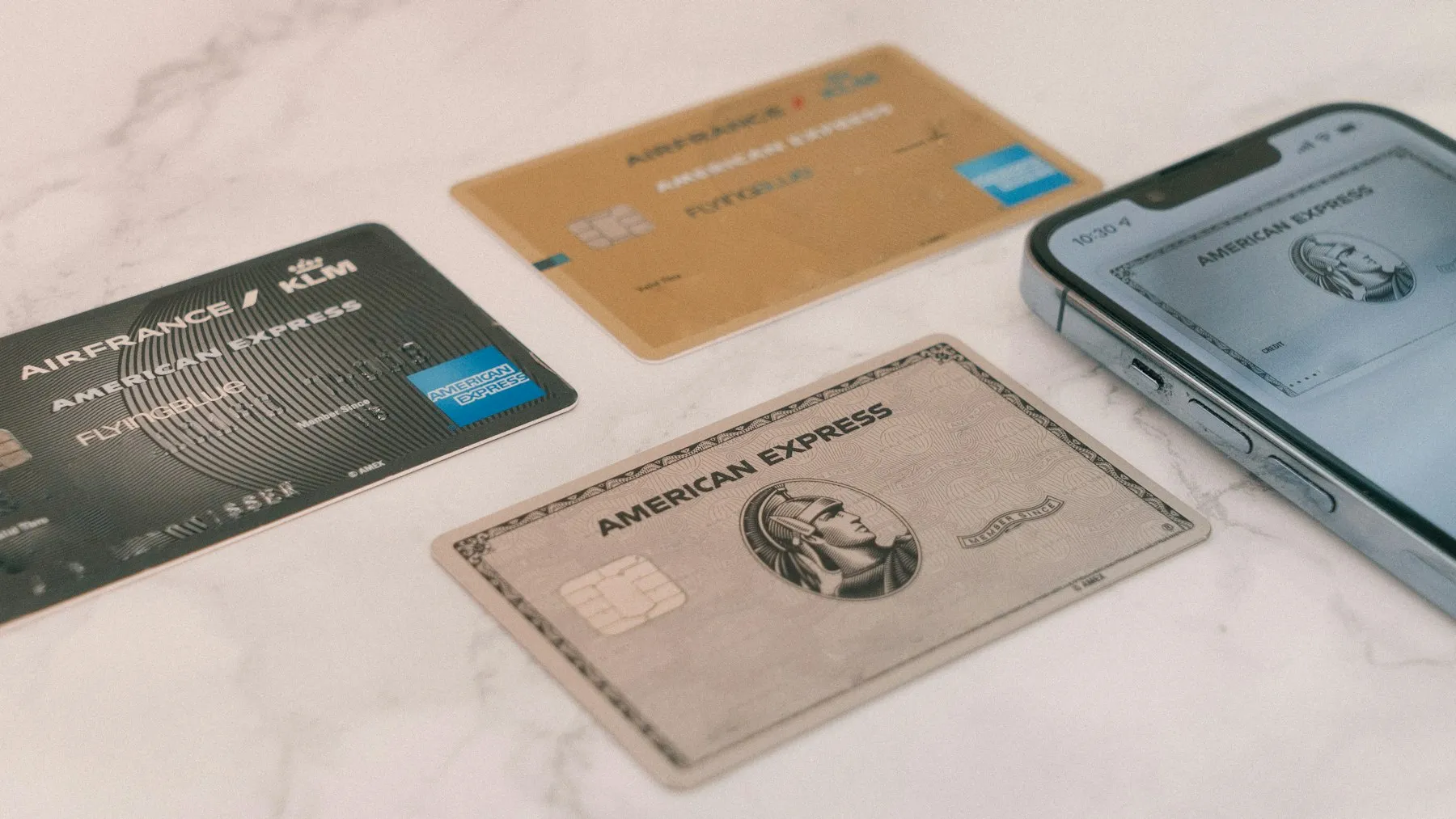
A startup that began life in a Sofia apartment in 2018 is now worth $2 billion. That is the headline number from Payhawk’s new Series C, a $280 million raise led by Goldman Sachs’ growth-equity arm and announced on 18 November (TNW).
Here is the part that should make you sit up: the valuation is exactly double what Payhawk was worth in 2022, when it became Bulgaria’s first unicorn at $1 billion (TNW). Four years, one brutal fintech winter, and the price tag just went up by a billion dollars.
And the reason is not expense reports. It is who, or what, is now holding the card. Payhawk says 77% of its customers use its AI agents every single day (Payhawk). That is the bet Goldman just underwrote: software that spends money on your behalf.
🧠 Why This Matters
Spend management used to be the dullest corner of fintech. You got a corporate card, an app to photograph receipts, and a dashboard your finance team ignored until audit season. Payhawk, which is now headquartered in London after moving up from Sofia, built exactly that: cards plus software for expenses, invoices, purchasing and business travel (TNW).
What changed is the pitch. Payhawk is no longer selling a nicer dashboard. It is selling what co-founder and CEO Hristo Borisov calls a “global Finance Operating System for the AI era” (Payhawk) — a stack where AI agents actually do the financial work, payments rails let those agents move money, and a control layer decides what an agent is allowed to touch before a human has to step in.
“We built AI agents to fundamentally rethink how finance operates.” — Hristo Borisov, co-founder and CEO, Payhawk
That framing is why a $2 billion valuation holds together in a market where plenty of 2021-era fintechs got marked down by half.
📊 Deep Dive
Strip out the AI narrative and the fundamentals are unusually sober for a company raising nine figures. Payhawk went cash-flow positive in Q3 (Payhawk), operates in 33 countries across 12 offices, and has now raised more than $515 million in total (FintechFutures). It also still holds roughly 70% of the cash from its 2022 round, meaning this raise is about ambition, not survival (TNW).
The round itself tells you who believes the story. Goldman Sachs Alternatives led, and managing director James Hayward is taking a board seat (FintechFutures). Every existing backer re-upped, including the heavy hitters:
- Valuation: $2 billion now, versus $1 billion in 2022 — a clean 2x in four years
- This round: $280 million Series C, led by Growth Equity at Goldman Sachs Alternatives
- Total raised: more than $515 million since 2018
- Existing investors back in: QED, Greenoaks, Lightspeed, Hedosophia and Bek Ventures
- New money: Galdana Ventures, Cogito Capital, Inveready and Invus
- Daily AI usage: 77% of customers use Payhawk’s agents every day
- Footprint: 33 countries, 12 offices, cash-flow positive in Q3
Now put that against the company Payhawk is quietly chasing. US rival Ramp was valued at $44 billion in a June Series F and has passed $1 billion in annualised revenue (TNW). Payhawk is a twentieth of that valuation. The European spend-management champion is still a minnow next to the American one, and everybody in this round knows it.
⚠️ The Catch
A few things deserve a cold eye.
First, the round “still needs regulatory approvals” (TNW). It is agreed, not fully closed, so treat the $2 billion as a committed price rather than a bank balance.
Second, Payhawk did not disclose revenue. We know it is cash-flow positive and that most income comes from subscriptions, but there is no top-line figure to size against Ramp’s billion (TNW). “77% use agents daily” is a usage stat, not a revenue stat, and the two are not the same thing.
Third, letting software move corporate money is exactly as risky as it sounds. Payhawk’s own answer is a control layer that decides “what agents are allowed to do and when a person needs to make the decision” (FintechFutures). That guardrail is the whole product. If it slips, the story stops being about efficiency and starts being about a rogue payment.
🎯 What Happens Next
Expect Payhawk to spend this on three fronts: pushing deeper into the enterprise, where the agent-controls pitch lands hardest; widening its payments infrastructure so agents can actually settle transactions; and planting flags in more of its 33 markets. A Goldman board seat is not a passive signature — it is a bank positioning itself next to a company that wants to automate the finance function banks have sold for a century.
The bigger tell is the valuation discipline. Doubling to $2 billion while turning cash-flow positive is the opposite of the 2021 playbook. Payhawk is being rewarded for proving the unit economics first and bolting AI on second.
🧩 Bigger Picture
Zoom out and this is a data point in a much larger shift: finance software is moving from recording what you spent to doing the spending. Ramp at $44 billion, Payhawk at $2 billion, and a long tail of rivals are all racing to turn the back office into a fleet of agents that approve, pay and reconcile without a human in the loop.
For Europe specifically, Payhawk is the proof that a serious player can be built outside Silicon Valley, go cash-flow positive, and still get a $2 billion mark from Wall Street. Sofia to London to a Goldman term sheet is not a bad arc for a seven-year-old company.
The question every finance chief now has to answer is simple and slightly unnerving: how much of your company’s money are you comfortable letting an agent move while you sleep? Payhawk just raised $280 million betting the answer is “more than you think.”
Sources
- TNW — Payhawk raises $280m at a $2bn valuation in round led by Goldman Sachs
- FintechFutures — Payhawk bags $280m in Series C funding round
- Payhawk — Payhawk raises $280M at a $2B valuation as it evolves into the global Finance OS for the AI era
- Payhawk — Payhawk becomes first-ever Bulgarian unicorn (2022)
- TNW — Ramp hits $44 billion valuation in Series F
❓ Quick answers
How much did Payhawk raise and at what valuation?
Payhawk raised $280 million in a Series C at a $2 billion valuation, announced 18 November 2026 and led by Growth Equity at Goldman Sachs Alternatives (TNW).
Is Payhawk profitable?
Payhawk turned cash-flow positive in Q3 2026 and has raised more than $515 million in total, though it did not disclose a revenue figure (Payhawk/FintechFutures).
How does Payhawk compare to US rival Ramp?
Payhawk is valued at $2 billion versus Ramp's $44 billion from its June 2026 Series F; Ramp has passed $1 billion in annualised revenue while Payhawk did not disclose its top line (TNW).