🔥 $200 Million, $1.2 Billion Valuation, Zero Dogs: Inside Warhound's Gene-Edited War Dog Bet
Warhound launched with $200M in seed funding at a $1.2B valuation to clone and gene-edit US military working dogs, with first pups due in early 2027.
A new defense-biotech startup called Warhound came out of stealth on October 22 with $200 million in seed funding and a $1.2 billion valuation (TechCrunch via TechFundingNews). That is roughly the valuation of a mid-sized public company, handed to a firm at the earliest funding stage there is.
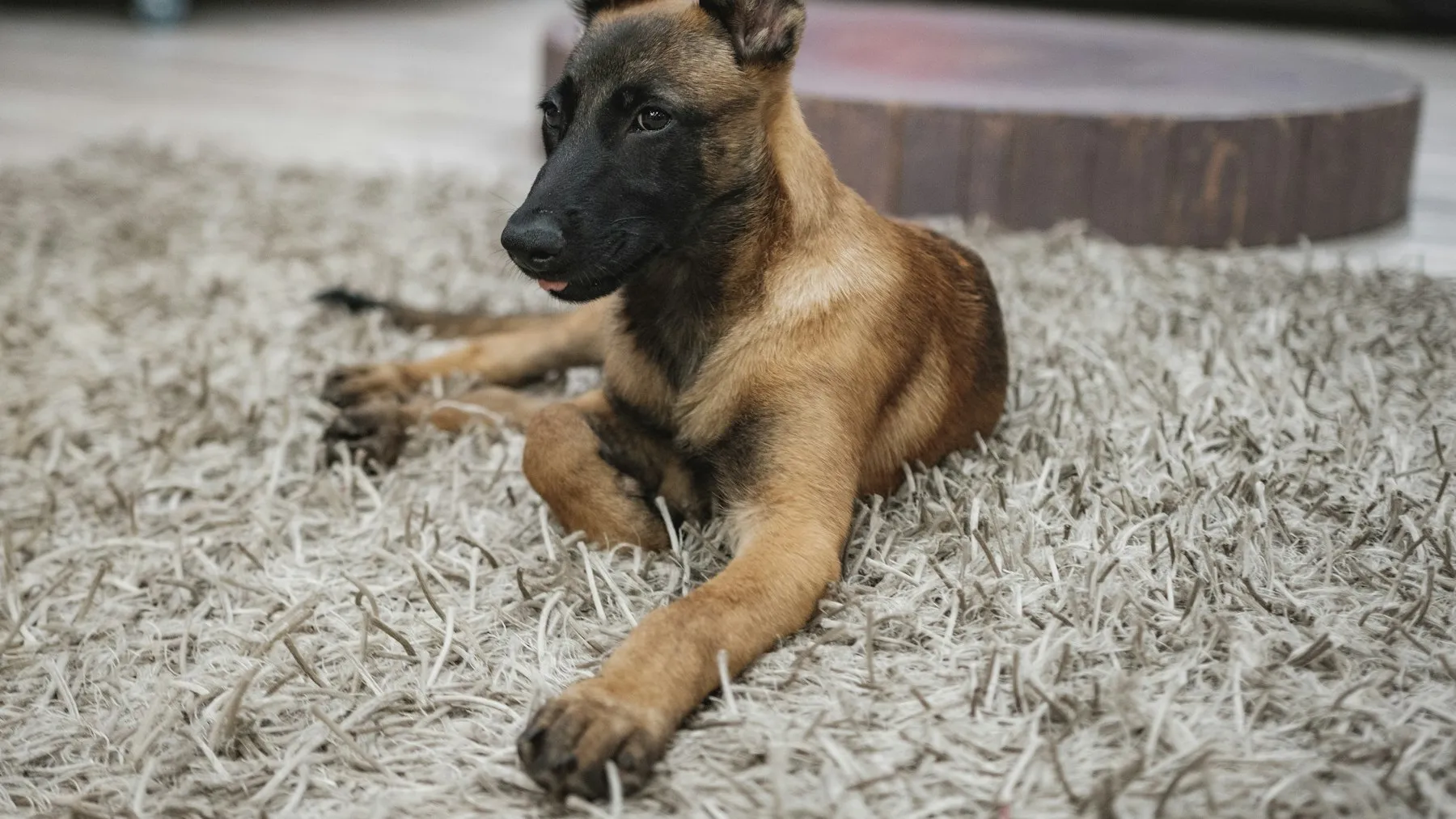
Here is the part that makes the number strange: the product does not exist yet. Warhound plans to clone and gene-edit military working dogs, and the first litter hasn’t been born. The company expects its first cloned pups in early 2027, with dogs entering service maybe two years after that (Interesting Engineering).
So investors just put a billion-dollar price tag on a dog that is currently a cell line in a freezer. The pitch is that the dog in question will be faster, healthier, and far better at sniffing out explosives than anything a European breeder can ship today.
The thesis: America’s war dogs are imported, inconsistent, and in short supply — and genetics is the fix.
🧠 Why This Matters
The founders alone explain the valuation. Warhound was conceived by Ben Lamm, CEO of de-extinction company Colossal Biosciences, and Palmer Luckey, the founder of defense giant Anduril. Luckey holds no equity — Colossal owns the stake and licenses its technology to Warhound — but his name signals where this is pointed (TechFundingNews). The CEO is David Spirk, a former US Marine and the Pentagon’s first chief data officer.
The problem they’re chasing is real and oddly specific. By Warhound’s own account, more than 80% of US military working dogs are sourced from Europe, and fewer than half of the dogs it buys actually qualify for service. That’s an expensive, slow, foreign-dependent supply chain for an animal the military treats as critical equipment. Warhound’s answer is to stop rolling the genetic dice and start copying the dogs that already work.
“Every day, we ask dogs to put their lives on the line to protect ours.” — Ben Lamm, Colossal Biosciences
📊 Deep Dive
The plan is a five-step assembly line that reads like a biotech startup fused with a defense contractor:
- Biobank the best. Colossal stores cell lines from high-performing Belgian Malinois and German Shepherds — the breeds that dominate elite K-9 work.
- Edit the genome. Warhound says it will add performance traits like speed, agility, and sharper scent detection, while removing variants tied to hip dysplasia and muscle atrophy — a bid for healthier, longer-serving animals.
- Clone at scale. The actual copying is handled by ViaGen, a commercial pet-cloning company Colossal owns.
- Train and certify. Programs run with oversight from the American Humane Society, which will also guide welfare standards.
- Kit them out. Anduril supplies protective vests, eye protection, and sensor gear that feeds information back to handlers.
The investor list is the other tell. Backers include Sequoia Capital, In-Q-Tel (the CIA’s venture arm), ARK Invest, Franklin Templeton, 8VC, Lux Capital, Breyer Capital, and biotech veteran Bob Nelsen (TechFundingNews). When the CIA’s investment arm and a blue-chip VC are in the same seed round, the bet isn’t on the dog. It’s on the platform.
“Man’s best friend deserves man’s best tech.” — Palmer Luckey, Anduril
⚠️ The Catch
You’re being asked to value a company on a timeline, not a track record. Cloning a dog is established — ViaGen has done it commercially for years — but stacking gene edits to reliably produce a faster, healthier, better-nosed working dog is not a solved problem. Nobody has shown that the edited pups will actually outperform a well-bred Malinois once they’re chasing a target through a collapsed building.
Then there’s the welfare question, which Warhound clearly anticipated — hence the American Humane Society partnership and a plan to route retired dogs into a reunification program. Gene-editing animals for combat is going to draw scrutiny that a normal pet-cloning business never would. Pricing hasn’t been set, the regulatory path for a bioengineered service animal is thin, and the first real customer — the Department of Defense — moves on procurement timelines measured in years, not funding announcements.
🎯 What Happens Next
Watch the births. The entire thesis gets its first reality check in early 2027, when the first cloned, edited litter is due. That’s the moment the company stops being a slide deck and starts being a kennel.
After that, the questions get concrete: Do the edited dogs pass the same qualification tests that wash out more than half of today’s imports? Does the DoD write a check, and at what price? And does In-Q-Tel’s involvement translate into an actual federal pathway, or just early access?
🧩 Bigger Picture
Warhound is the clearest sign yet that the de-extinction playbook is being turned toward defense. Colossal spent years building cloning and gene-editing infrastructure to resurrect mammoths and dire wolves; Warhound repurposes that exact stack for a government buyer with deep pockets and an obvious supply problem. Pair it with Anduril’s hardware and In-Q-Tel’s money, and you get a template: take frontier biology, aim it at a procurement gap, and let the defense budget underwrite the science.
It also lands in a year where military autonomy money is flooding in from every direction — drones, satellites, sensing. A gene-edited dog is just the biological version of the same idea: a smarter, more capable unit the Pentagon doesn’t have to import. Whether that’s visionary or a $1.2 billion leap of faith depends entirely on a puppy that won’t open its eyes until next year.
For now, Warhound has pulled off the rarest trick in venture: raising nine figures on an animal that hasn’t been born, from investors who clearly believe the hardest part is already in the freezer.
Sources
- Warhound raises $200M at a $1.2B valuation to clone military dogs that do not exist yet — Tech Funding News
- Genetically modified dogs could bring sharper senses to military K-9s — Interesting Engineering
- Ben Lamm and Palmer Luckey’s Warhound raises $200M — Axios
- Warhound hits $1.2B valuation: ARK, Franklin named as backers — Cryptopolitan
❓ Quick answers
How much did Warhound raise and at what valuation?
Warhound raised $200 million in seed funding at a $1.2 billion valuation, announced October 22, 2026 (TechCrunch, Interesting Engineering).
Who is behind Warhound?
It was conceived by Colossal Biosciences CEO Ben Lamm and Anduril founder Palmer Luckey; former Marine and ex-Pentagon chief data officer David Spirk is CEO.
When will the gene-edited dogs actually be ready?
Warhound expects its first cloned, gene-edited pups in early 2027, with dogs potentially entering service about two years after that.