🔥 AusperBio Raised $120 Million on a Hepatitis B Drug That Cleared the Virus in 68% of a Small Trial
AusperBio raised $120M to push AHB-137, an antisense drug that cleared hepatitis B in 68% of a small trial, toward the first functional cure for a disease 240 million people live with.
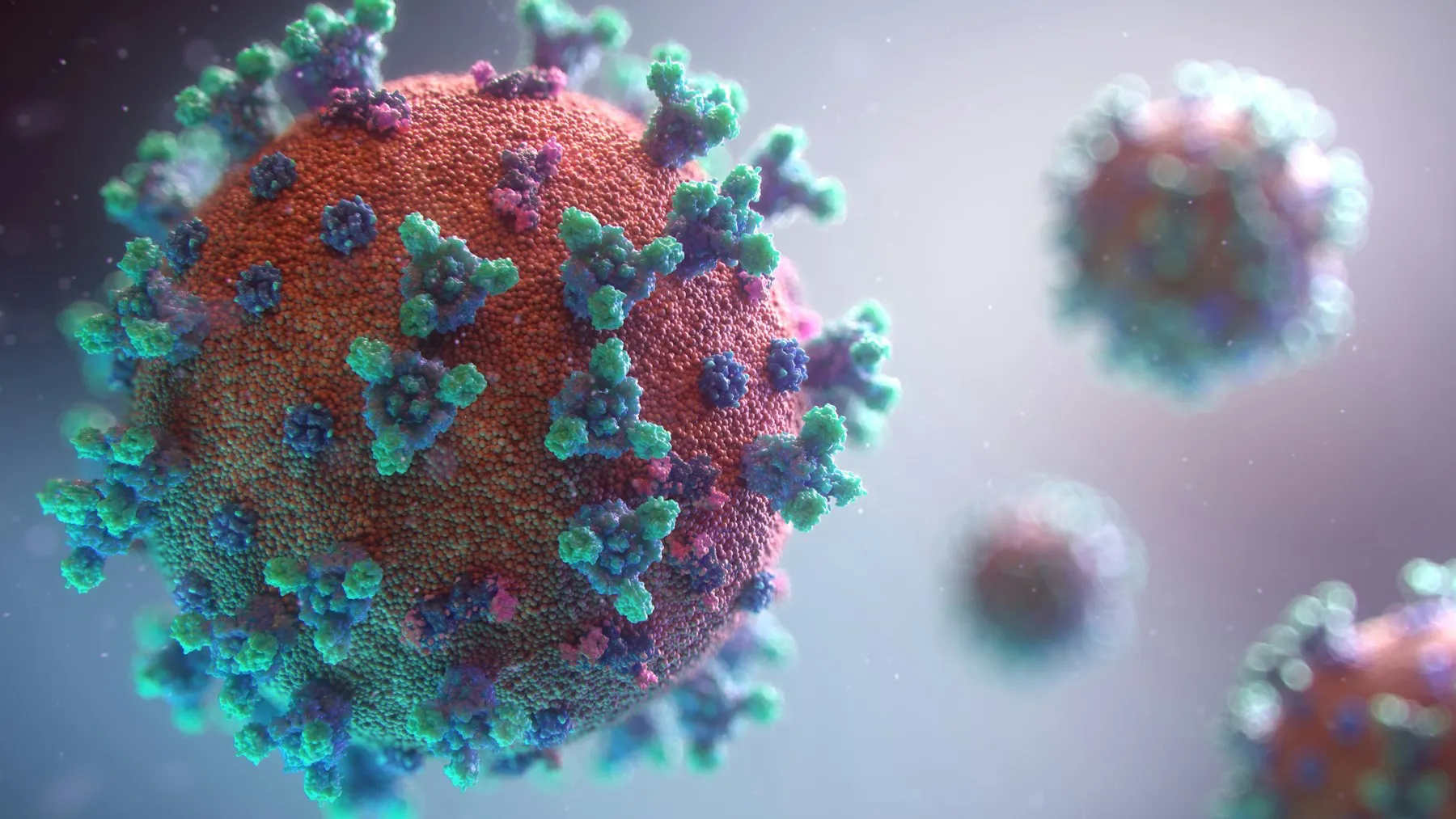
Hepatitis B is the disease medicine has never been able to switch off. You can suppress it for life with a daily pill, but you cannot get rid of it. A San Francisco biotech just raised a large check betting it can.
Let’s get the number on the table first: $120 million. That’s the Series C AusperBio Therapeutics closed on August 28, pushing the company’s total raised since 2024 to $360 million (FinSMES). The money goes to one job: dragging its lead drug, AHB-137, through a Phase 3 registrational program.
Here’s why anyone should care about a mid-size raise for an experimental liver drug. 240 million people live with chronic hepatitis B, the infection kills roughly 1.1 million of them every year, and as of 2024 only about 4.3% were on any treatment at all (WHO). None of that treatment cures anyone.
The thesis: if AHB-137’s early numbers hold up at scale, AusperBio isn’t launching another maintenance pill — it’s chasing the first drug that lets patients stop taking pills.
🧠 Why This Matters
The standard of care for hepatitis B is a class of antivirals called nucleos(t)ide analogues. They work, in the narrow sense that they crush the virus’s ability to replicate. But they don’t clear the infection, so patients take them indefinitely — often for the rest of their lives — and the moment they stop, the virus tends to roar back.
The holy grail in this field has a specific name: functional cure. That means losing the hepatitis B surface antigen (HBsAg) — the protein the virus sheds into the blood — and keeping the virus suppressed after you stop the drug. It is not total eradication; the virus’s genetic blueprint can still hide in liver cells. But functional cure is the threshold regulators and hepatologists have circled for decades, and almost nothing has crossed it.
AHB-137 is an antisense oligonucleotide — a short strand of engineered genetic material designed to jam the virus’s instructions before they become proteins. AusperBio’s pitch is that by starving the infection of surface antigen, it gives the immune system room to finish the job.
📊 Deep Dive
The reason this raise happened is the Phase 2 data. In a randomized, double-blind, placebo-controlled study (NCT06829329), treatment-naive patients got weekly 300 mg injections of AHB-137 for 16 weeks, then were followed for 24 weeks off the drug. The per-protocol set was small — 25 patients on the drug, 6 on placebo — so read the numbers with that in mind. But the numbers were loud (AJMC, BioSpace):
- 100% of the 25 treated patients drove HBV DNA below 10 IU/mL by end of treatment.
- 68% (17 of 25) hit a complete response — surface antigen under 0.05 IU/mL and DNA under 10 IU/mL — while still on the drug.
- 84% (16 of 19) of patients who started with lower surface-antigen levels (≤3,000 IU/mL) lost the antigen entirely.
- 32% (8 of 25) held a functional cure 24 weeks after stopping treatment — the number that actually matters.
- In the cleanest subgroup — patients starting at ≤1,000 IU/mL — that durable figure rose to 70% (7 of 10).
The gap between the 68% on-drug response and the 32% durable cure is the whole ballgame in hepatitis B: plenty of drugs can knock the virus down while you’re taking them; the hard part is making it stay down once you walk away.
“This financing represents an important inflection point for AusperBio as we advance AHB-137 toward potential commercialisation while developing next-generation therapies.” — Dr. Guofeng Cheng, CEO, AusperBio
Behind AHB-137 sits a second candidate, AHB-171, a hepatocyte-targeted siRNA therapy, plus delivery platforms the company calls Med-Oligo and Au-HALO. The Series C was co-led by an undisclosed strategic investor, with RA Capital Management joining alongside Qiming Venture Partners, HanKang Capital, Sherpa Capital, InnoPinnacle Fund, YuanBio Venture Capital and CDH Investments.
⚠️ The Catch
Start with the sample size. A 32% durable-cure rate is genuinely striking — but it comes from eight patients out of 25. Phase 2 signals in liver disease have a long history of shrinking once the trial population widens. The Phase 3 registrational program, which this money funds, is being run in China, where hepatitis B is most prevalent; a global approval path — including a U.S. filing — is a separate, longer road that these results don’t yet guarantee.
There’s also the biology. Functional cure leaves the virus’s covalently closed circular DNA parked in liver cells, which is why “cure” carries an asterisk and why durability past 24 weeks — one year, two years — is the number nobody has yet. And AusperBio is not alone; larger players have their own antigen-lowering programs, so being first is far from settled.
🎯 What Happens Next
The near-term test is execution: enroll the Phase 3 study, dose it, and see whether that 32% survives contact with a few hundred patients instead of two dozen. Registrational trials in hepatitis B are measured in years, not quarters, so this is a 2027-and-beyond story with a 2026 checkbook.
Watch the surface-antigen data specifically. If AHB-137 keeps producing durable HBsAg loss in patients who stop the drug, the $360 million total starts to look modest against the size of the prize. If the durability fades, the raise becomes a cautionary tale about reading too much into 25 patients.
🧩 Bigger Picture
Hepatitis B is one of the largest chronic-disease markets with no curative option — 240 million patients, most undiagnosed, most untreated, all currently facing a lifetime of maintenance if they’re treated at all. A functional cure wouldn’t just be a better drug; it would rewrite the economics of the disease, trading decades of daily antivirals for a finite course of treatment.
That’s the bet the $120 million is really funding. Not a marginally better suppressant — an off-ramp. Whether AHB-137 is the drug that finally builds one is now a question of scale, and scale is exactly what this money buys.
For 240 million people, the pill that ends the pills is still a maybe. It’s a slightly bigger maybe than it was last week.
Sources
- Pharmaceutical Technology — AusperBio raises $120m to progress hepatitis B therapies
- FinSMES — AusperBio Raises $120M in Series C Funding
- AJMC — AHB-137 Demonstrates High Cure Rates, Sustained Viral Suppression in Chronic Hepatitis B
- BioSpace — AusperBio Announces Late-Breaking 48-Week Phase II Data of AHB-137
- World Health Organization — Hepatitis B Fact Sheet