🔥 Rocket Lab Just Signed the Biggest Deal in Its History: $266 Million to Fly Hypersonic Tests From Alaska
Rocket Lab just landed the biggest contract in its history: $266M from the U.S. Space Force to fly up to 18 HASTE hypersonic test launches from Kodiak, Alaska.
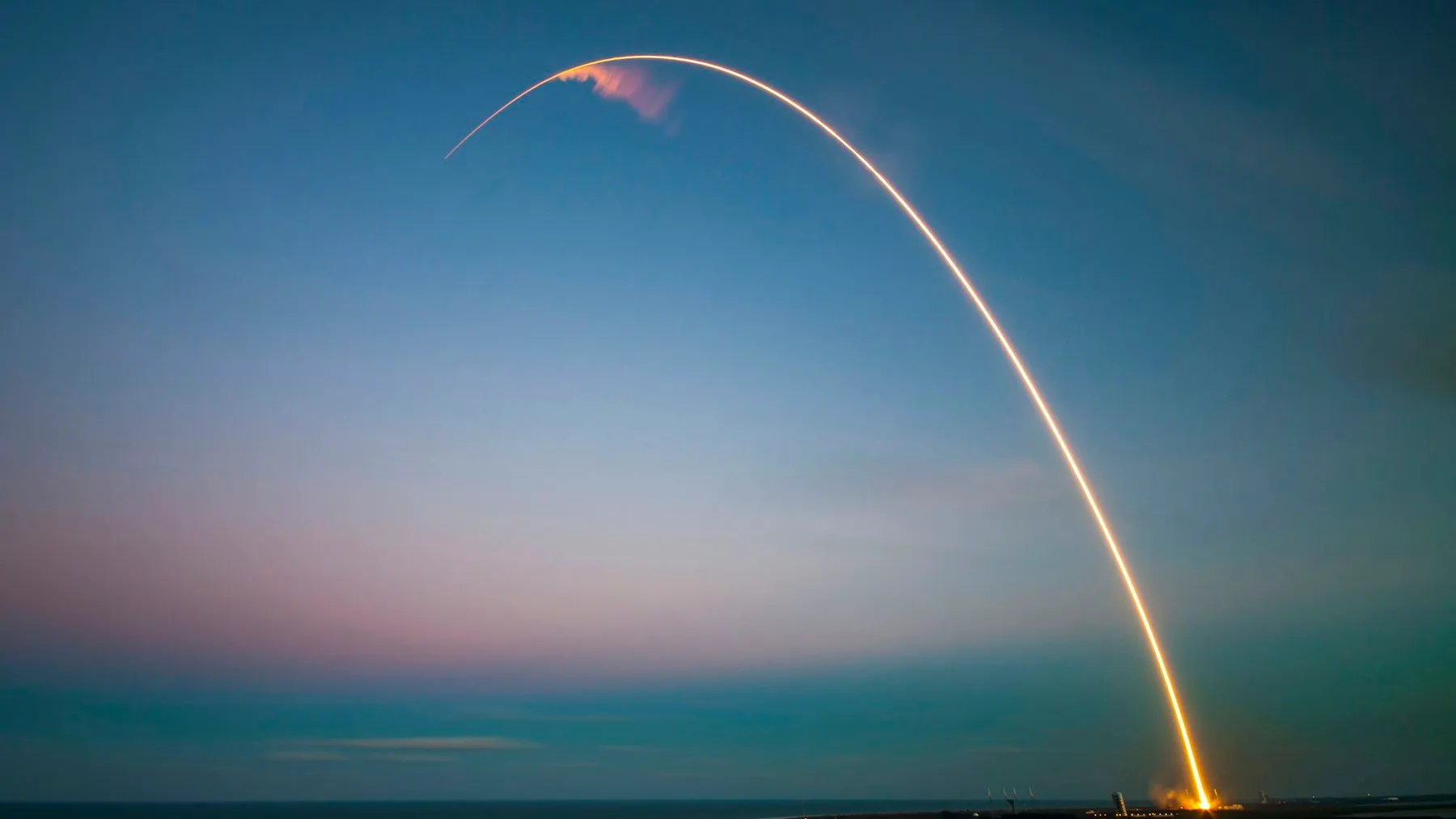
Let’s get the number on the table first: $266 million. That’s the size of the multi-launch contract Rocket Lab just won from the U.S. Space Force — and it’s the largest single deal in the company’s history (Rocket Lab).
The job: fly 12 suborbital missions, with options for up to 6 more — as many as 18 launches in total — to help the Pentagon mature America’s missile-defense systems. The rockets go up from a spaceport most people have never heard of, on an island off the coast of Alaska.
For a company that spent years being described as “the small-rocket guy,” this is the moment the label stops fitting. Rocket Lab is now a national-security launch provider with a nine-figure defense contract to prove it.
🧠 Why This Matters
Suborbital sounds like the minor leagues. It isn’t. These flights don’t carry satellites to orbit — they carry hypersonic test payloads on high, fast, punishing trajectories so the Defense Department can figure out how to detect and shoot down weapons that travel at more than five times the speed of sound.
Hypersonics are the arms race nobody outside the Pentagon talks about at dinner, and the U.S. has been openly worried it’s behind. You can’t build defenses against a weapon you can’t test against, and you can’t test against it without something fast enough to mimic it. That “something” is what Rocket Lab is selling: repeatable, on-demand flights that behave like the real threat.
“Cadence, iteration, and relentless execution are essential to maturing America’s missile defense capabilities, and that’s exactly what we bring with launch leadership.” — Sir Peter Beck, Founder & CEO, Rocket Lab
Translation: the value here isn’t one heroic launch. It’s the ability to fly again, and again, and again — on a schedule the military can plan around.
📊 Deep Dive
The vehicle doing the work is HASTE — a suborbital variant of Rocket Lab’s workhorse Electron rocket, built specifically for hypersonic test missions and running on the same infrastructure (Aviation Week). The contract falls under the Space Force’s Rocket Systems Launch Program (RSLP), run out of Space Systems Command, and it adds a brand-new launch site to Rocket Lab’s map: the Pacific Spaceport Complex – Alaska in Kodiak (Quartz).
Here’s how the deal stacks up against what else is happening in government launch right now:
- Contract value: $266M for Rocket Lab — its biggest ever — versus the $1.6 billion SpaceX landed days later for 18 Falcon 9 flights (Eastern Herald).
- What flies: Rocket Lab’s HASTE goes suborbital — up, over, and back down for missile-defense testing. SpaceX’s Falcon 9 puts national-security satellites into orbit under the NSSL Phase 3 program. Different missions, different leagues.
- Launch count: up to 18 HASTE missions for Rocket Lab; 18 orbital missions for SpaceX. Same number, wildly different payloads.
- Where: Kodiak, Alaska for Rocket Lab; Vandenberg Space Force Base for SpaceX.
- Timeline: Rocket Lab’s first flight is expected no earlier than late 2026, running through 2028.
“The size and scale of this contract reflects the Space Force’s confidence in our ability to meet their urgent national security demands with speed, responsiveness, and scale.” — Sir Peter Beck
The comparison isn’t meant to embarrass Rocket Lab. It’s the opposite: Rocket Lab and SpaceX are the only two American companies the Space Force is handing this class of work to right now, and they’re doing very different jobs. One orbits the satellites. The other stress-tests the shield.
⚠️ The Catch
A contract is a promise, not a check that’s already cleared. That $266 million is a ceiling for up to 18 launches — the 12 firm missions are the floor, and the extra 6 are options the government may or may not exercise. Revenue lands as the rockets actually fly, not on signing day.
And flying is the hard part. Rocket Lab has to stand up operations at a new spaceport in Kodiak, keep HASTE’s cadence high, and do it without a failure — because in the launch business, one bad day resets the whole confidence conversation. The company’s stock has run hot on defense momentum, pushing its market value to roughly $40 billion (StockTitan) — a valuation that assumes the execution keeps working. Suborbital missions are simpler than orbital ones, but “simpler” and “easy” are not the same word.
🎯 What Happens Next
Watch three things. First, the Kodiak build-out — how fast Rocket Lab can get the Alaska site flying tells you whether it can hit the cadence the Space Force is paying for. Second, whether those 6 option launches get exercised, which would turn a big contract into a bigger one. Third, Neutron — Rocket Lab’s larger, reusable rocket still in development — because the moment it flies, the company can start bidding for the orbital, SpaceX-sized contracts it currently can’t touch.
The Space Force just raised its own commercial-launch spending ceiling from $5.6 billion to $17 billion, so the pool of government money chasing reliable rockets is growing fast. Rocket Lab has now planted a flag in the part of that pool nobody else is fishing.
🧩 Bigger Picture
For most of its life, Rocket Lab was a commercial launch company that occasionally did government work. This deal flips the framing. National security is becoming a core business line, and the reason is structural: the Pentagon wants more suppliers, not fewer, so it isn’t dependent on a single provider for critical launches.
That’s the quiet story inside the headline. The U.S. spent the last decade letting one company dominate rocketry. Now it’s deliberately writing checks to build a second and third option — and Rocket Lab, with the biggest contract it’s ever signed, just cashed the first one. The small-rocket guy grew up.
The suborbital league doesn’t get parades. But when the Pentagon needs a target that flies like the real thing, it now has Rocket Lab’s number — and a $266 million reason to keep calling.
Sources
- Rocket Lab — Awarded Record $266M Missile Defense Contract with U.S. Space Force
- Quartz — Rocket Lab wins its largest-ever launch contract, a $266 million Space Force deal
- Aviation Week — Rocket Lab To Launch HASTE Missions From Alaska Under USSF Contract
- StockTitan — Rocket Lab Wins $266M Space Force Contract (RKLB)
- Eastern Herald — SpaceX Wins $1.6 Billion Space Force Contract for 18 Falcon 9 Missions