🔥 Zipline Is Worth $21.5 Billion Now, and Walmart Just Ordered 300 More Drone Sites
Zipline raised $1.5B at a $21.5B valuation and signed Walmart for 300 more drone delivery sites, nearly tripling its value in 10 months.
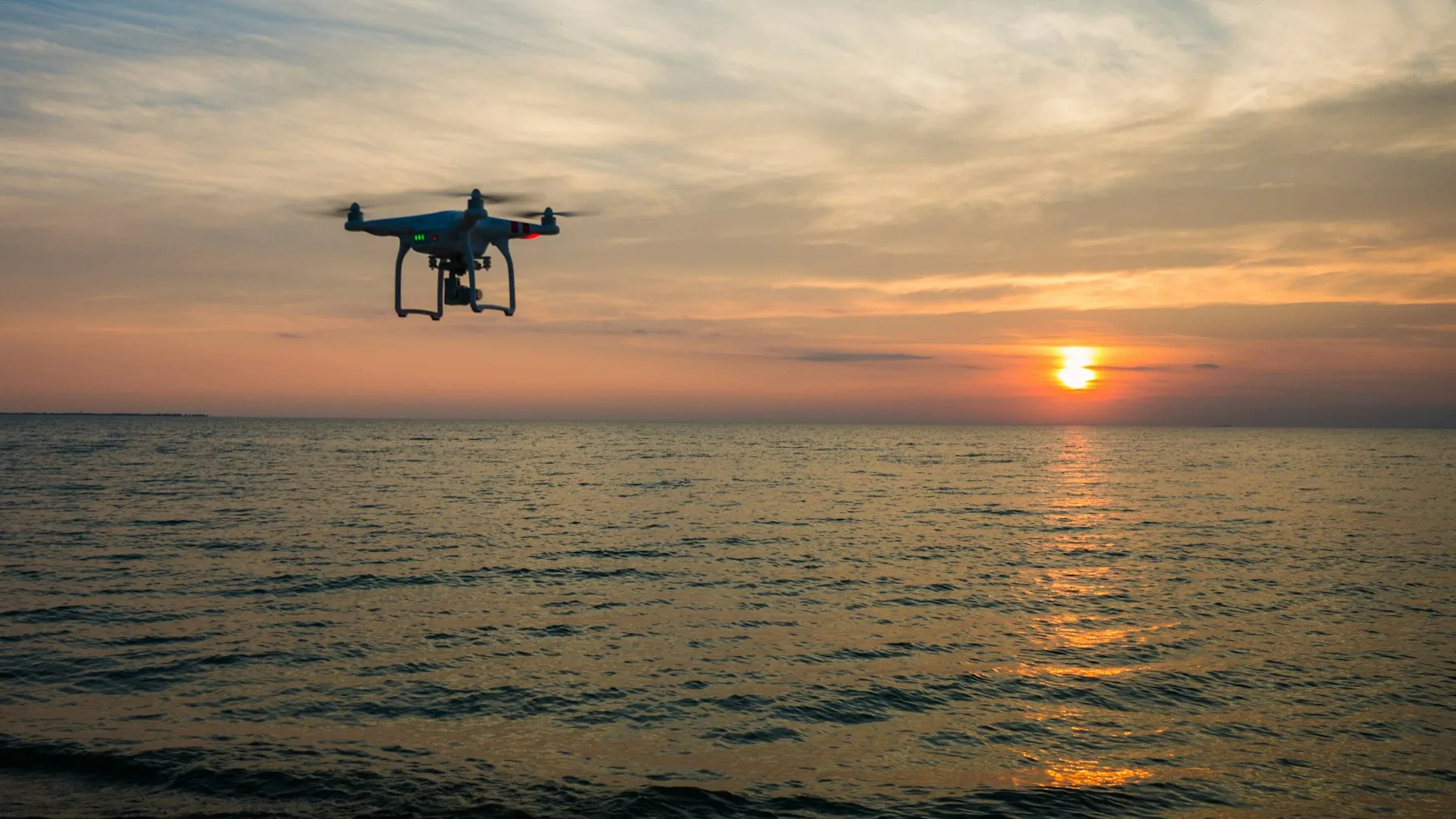
A drone company just became one of the most valuable private robotics firms on the planet, and it did it by flying bags of groceries over the suburbs of Dallas.
Let’s get the number on the table first: $1.5 billion. That’s what Zipline just raised, at a $21.5 billion post-money valuation (GlobeNewswire). Ten months ago the company was worth $7.6 billion after a $600 million round, so it has nearly tripled in under a year (Reuters).
The raise landed alongside a second piece of news that tells you where the money is going: Walmart signed a multi-year national agreement for 300 additional Zipline delivery sites (Bloomberg).
Drone delivery has been “five years away” for about fifteen years. Zipline just convinced some of the most disciplined investors in tech that the five years are up.
🧠 Why This Matters
For most of the last decade, drone delivery was a demo. Amazon’s Prime Air launched in 2013 with a promise of packages in 30 minutes and spent years stuck in a handful of test towns. The skeptic’s case was simple: the economics never closed, the regulators never relaxed, and the drones never scaled.
Zipline is the first company to make that case look stale with hard operating numbers rather than a highlight reel. It has flown 150 million commercial autonomous miles without a safety incident, over roughly a decade of operations (DroneDJ). In the Dallas–Fort Worth metroplex alone, it has logged more than one million deliveries this year.
And the speed is the part that should make every food-delivery executive sit up. In October, the median Zipline order arrived 19 minutes after checkout, versus more than 30 minutes for traditional delivery. A bakery order? Ten minutes (GlobeNewswire).
“Zipline is now one of the largest autonomous robotics companies in the world.” — Matt Huang, Co-Founder and Managing Partner, Paradigm
📊 Deep Dive
The money came from a roster that reads like a who’s-who of patient capital. Paradigm, WCM Investment Management, and Layer Global led the round, with Valor Equity Partners, Fidelity, Uber, Tiger Global, J.P. Morgan, ARK Invest, and Salesforce Ventures all in (GlobeNewswire). Uber isn’t just a check — it signed a delivery partnership in August and took a strategic stake, with a stated target of one million Zipline deliveries a day by 2029 (DroneDJ).
Here’s how the scale stacks up:
- Valuation: $21.5 billion, up from $7.6 billion ten months ago — roughly 2.8x (Reuters)
- Raise: $1.5 billion, on top of $600 million earlier this year
- Walmart sites: 300 additional, under a new national multi-year deal (Bloomberg)
- Safety record: 150 million autonomous miles, zero safety incidents
- Reach: operations across four continents
- Restaurant economics: at some long-standing partners, Zipline’s share of delivery revenue climbed from 10.8% to 34.9% between March and October, and delivery GMV rose 26% (GlobeNewswire)
That restaurant figure is the quiet bombshell. Only about 5% of U.S. restaurant orders are for delivery today, largely because cars-and-couriers delivery is slow, expensive, and inconsistent. If a drone can halve the wait and the cost, that 5% ceiling is suddenly a floor.
The capital is earmarked for U.S. manufacturing expansion and hiring, as Zipline builds out a next-generation aircraft designed to fly higher, quieter, and carry heavier orders over longer distances.
⚠️ The Catch
Now the cold water. Almost every impressive number above comes from Zipline itself, and the outlets reporting them, including DroneDJ, note the figures are the company’s own and not independently verified (DroneDJ).
A $21.5 billion valuation is a bet, not a receipt. Tripling in ten months is the kind of markup that happens in a hot market, and 2026 has been a very hot market for anything with “autonomous” in the pitch deck. Walmart ordering 300 sites is a commitment to install, not a guarantee that millions of households will swap their delivery app for a drone that can’t carry a 40-pound order of dog food.
The hard problems haven’t vanished either: weather still grounds aircraft, neighbors still complain about noise, and beyond-visual-line-of-sight flight still runs on regulatory approvals that can tighten as fast as they loosen. Amazon has had more than a decade and far deeper pockets, and Prime Air is still expanding from 11 to roughly 500 U.S. locales by year-end (Reuters). Scaling drones is genuinely hard, and nobody has done it at national scale yet.
🎯 What Happens Next
Watch three things. First, the Walmart rollout — 300 sites is a concrete, countable milestone, and whether they go live on schedule will tell you more than any valuation. Second, the Uber numbers — a target of a million deliveries a day by 2029 is either the headline of 2029 or the cautionary tale. Third, the next-gen aircraft — heavier payloads and longer range are what move Zipline from “coffee and cough syrup” to “your actual grocery run.”
If the restaurant economics hold outside Dallas, expect every major grocery and quick-service chain to start asking Zipline, or a rival, for a quote.
🧩 Bigger Picture
Zipline’s origin story is the part that gets lost in the funding headlines. The company cut its teeth delivering blood and medicine in Rwanda and Ghana, and it credits its medical operations with helping save more than 14,000 lives a year (GlobeNewswire). Its Côte d’Ivoire network is expected to serve more than 2,200 health facilities and 12 million people.
That matters because it means Zipline spent years solving the unglamorous version of the problem — flying critical cargo over bad roads where failure costs lives — before it ever tried to drop you a smoothie. The burrito business is, in a sense, the easy mode of a system built for hard mode.
“Now, the opportunity is to reach millions more.” — Anton Levy, Founder and Managing Partner, Layer Global
The autonomous-everything wave has mostly meant cars and chatbots. Zipline is the reminder that the most tangible version of it might just be a small aircraft lowering a package into your backyard on a string — and that the company doing it is now worth more than most airlines.
The future of delivery isn’t knocking on your door. It’s hovering over it.
Sources
- Zipline press release — GlobeNewswire (Nov 5, 2026)
- Reuters via WHBL — Drone delivery startup Zipline valued at $21.5 billion (Nov 5, 2026)
- Bloomberg — Zipline Hits $21.5 Billion Valuation With Walmart Drone Partnership Expansion (Nov 5, 2026)
- DroneDJ — Zipline’s $1.5 billion raise signals bigger drone delivery plans (Nov 9, 2026)
❓ Quick answers
How much did Zipline raise and at what valuation?
Zipline raised $1.5 billion at a $21.5 billion post-money valuation on Nov 5, 2026, up from $7.6 billion ten months earlier (Reuters/GlobeNewswire).
Who led Zipline's 2026 funding round?
Paradigm, WCM Investment Management, and Layer Global led, with Uber, Fidelity, Tiger Global, J.P. Morgan, ARK Invest and Salesforce Ventures participating (GlobeNewswire, Nov 5, 2026).
What is the Walmart drone deal?
Walmart signed a multi-year national agreement for 300 additional Zipline delivery sites, announced alongside the raise on Nov 5, 2026 (Bloomberg).