🔥 Self-Flying Cessnas Just Pushed This SpaceX-Founded Startup Past $1 Billion
SpaceX alums' Reliable Robotics raised $115M on Oct 20, 2026, topping a $1B valuation to make existing Cessnas fly themselves.
Two former SpaceX engineers have spent nearly a decade trying to make a cargo plane fly itself. On Tuesday, investors decided that effort is worth more than a billion dollars.
The number to start with is $115 million. That’s the fresh capital Reliable Robotics just pulled in, pushing its Series D to a chunky $275 million and its total raised to around $380 million (TechCrunch). The raise tips the Mountain View company’s valuation above $1 billion — a line very few aviation-autonomy startups ever cross.
Here’s the twist that makes it interesting: Reliable isn’t building a flashy new flying taxi. It’s bolting software and hardware onto a plane that’s been in service since the 1980s.
The bet is that the cheapest path to autonomous flight runs through aircraft that already exist.
🧠 Why This Matters
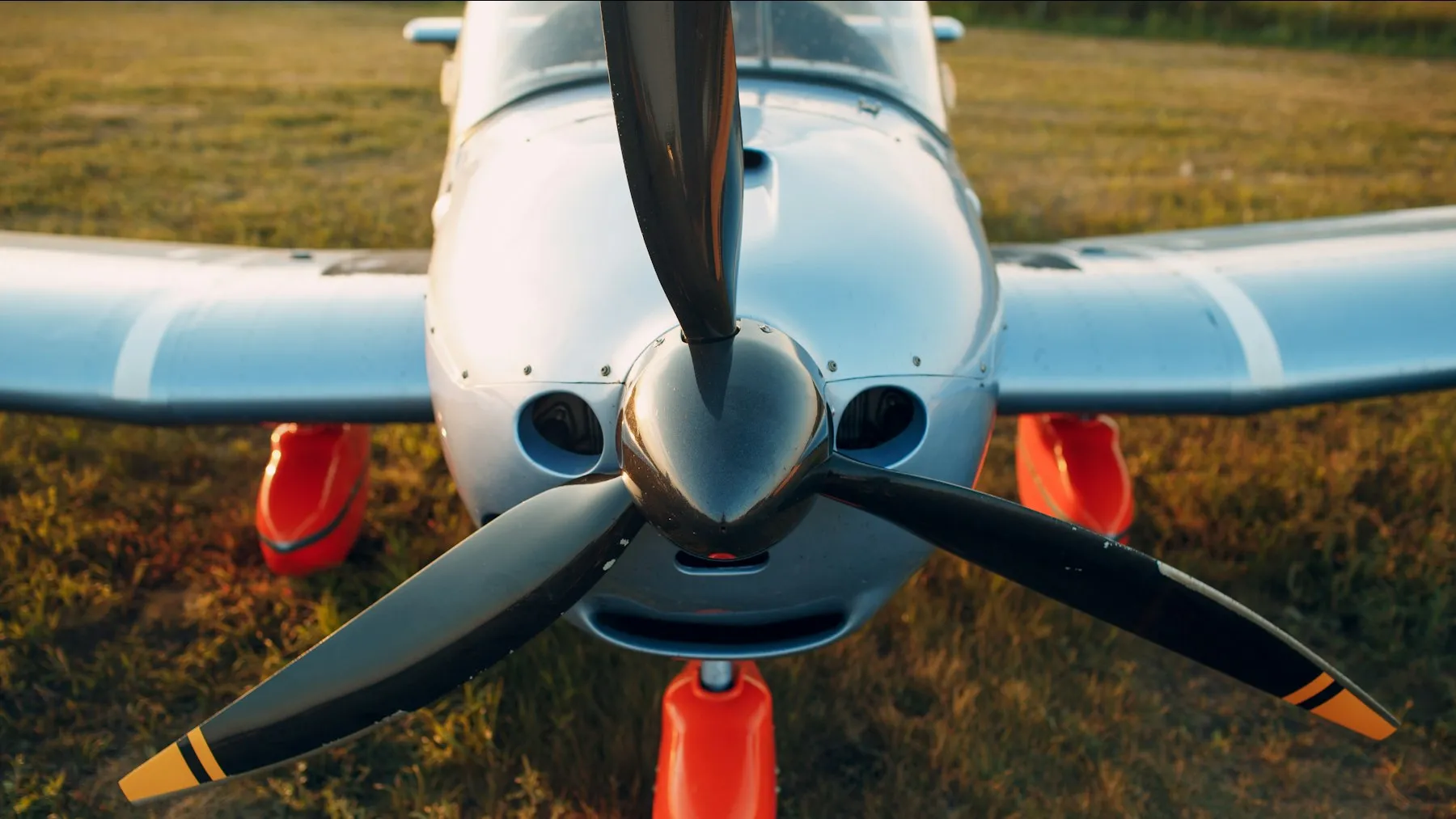
Most of the money in “the future of flight” has chased brand-new airframes — electric air taxis with a dozen rotors and a decade of certification ahead of them. Reliable Robotics went the other way. Its Reliable Autonomy System (RAS) is a retrofit kit: automated flight controls, navigation, and flight planning that install onto existing planes, starting with the Cessna 208B Grand Caravan, a single-engine workhorse that already hauls freight into thousands of small airports.
That framing changes the economics. You’re not asking regulators to bless a never-before-flown vehicle. You’re asking them to certify software on a plane with decades of safety data behind it. For a sector where certification is the real boss fight, that’s a meaningfully shorter road.
The $115 million — $90 million in equity led by returning investor Nimble Partners, plus a $25 million term loan from Silicon Valley Bank (TechCrunch) — buys the one thing this kind of work consumes fastest: time to keep feeding evidence to the FAA.
“We continue to make steady progress and deliver evidence to the FAA, and every day, we inch closer and closer.” — CEO Robert Rose (TechCrunch)
📊 Deep Dive
Reliable’s pitch lives or dies on a sequence of certifications, each one unlocking the next. The company already runs a cargo airline, Reliable Airlines, out of Albuquerque — flying freight six days a week with six Cessna Caravans — which gives it real operational data instead of simulator screenshots.
Here’s how the raise and the roadmap stack up:
- New capital: $115 million — $90 million equity + $25 million debt
- Series D total now: $275 million, up from the $160 million first announced in April (Bloomberg)
- Total raised to date: roughly $380 million
- Valuation: north of $1 billion
- First certification target: continuous autopilot engagement, with a pilot still aboard, in 18–24 months
- Pilot-free flying: operated from a ground station, at least three years out
- In-house collision-avoidance radar: solid-state, no moving parts, targeted for certification by end of 2027
The leadership pedigree is part of the sell. CEO Robert Rose was director of flight software at SpaceX, with earlier stops at Tesla and Google; CTO Juerg Frefel put in nearly a decade as a SpaceX engineer. The company now runs more than 250 people (Tech Startups).
Lead investor John Burbank framed why the money showed up:
“It’s a much bigger effort and much bigger opportunity than to just build one plane.” — John Burbank, Nimble Partners (TechCrunch)
Translation: the prize isn’t one autonomous Caravan. It’s an autonomy stack any airframe could adopt.
⚠️ The Catch
Read the timeline again, because it’s the whole story. The first certification — the one expected in 18 to 24 months — still has a human pilot sitting in the cockpit. The actually-pilotless version, flown from the ground, is at least three years away by the company’s own estimate, and company estimates in aviation have a long history of sliding right.
That matters because the business case for autonomous cargo rests on removing the pilot. A self-flying Caravan with a pilot aboard is a very expensive copilot. The margins only arrive when the seat is empty, and that’s precisely the approval the FAA has never granted for commercial operations.
There’s also the small matter of hardware Reliable still has to ship: its own radar isn’t slated for certification until the end of 2027. The company is simultaneously building the brain, the eyes, and the regulatory case — any one of which can stall the other two.
🎯 What Happens Next
Watch for the first FAA sign-off on continuous autopilot engagement. If that lands inside the 18-to-24-month window, Reliable’s story holds together and the next raise gets easier. If it slips, the $1 billion tag starts looking like it priced in a schedule nobody’s hit yet.
The near-term tell is boring but real: how many Caravans Reliable Airlines is flying, how often, and with how few interventions. That operational log is the evidence Rose keeps mentioning — and it’s the data the FAA will actually read.
🧩 Bigger Picture
Autonomous flight has quietly split into two camps. One is pouring billions into new electric aircraft that need new rules, new factories, and new public trust. The other — Reliable’s camp — is trying to make the planes already in the sky smarter, one certification at a time. The $115 million is a vote for the slower, cheaper, less cinematic path.
It’s also a reminder that in aviation, the hard part was never the flying. Computers have been landing planes for years. The hard part is convincing a regulator to let the pilot walk away. Reliable just raised another nine-figure sum to keep making that argument — and bought itself a few more years to win it.
Self-driving cars taught us that the last 5% of autonomy costs more than the first 95%. Reliable Robotics is betting a billion dollars that in the sky, the math finally works out.
Sources
- TechCrunch — SpaceX alum’s aviation startup, Reliable Robotics, lands $115M, topping $1B valuation
- Tech Startups — Reliable Robotics raises $115M in new funding, tops $1B valuation
- Bloomberg — Reliable Robotics raises more cash to pursue uncrewed flights
❓ Quick answers
How much did Reliable Robotics raise and at what valuation?
$115 million announced October 20, 2026 ($90M equity led by Nimble Partners plus a $25M Silicon Valley Bank loan), lifting its valuation above $1 billion, per TechCrunch.
What does Reliable Robotics actually build?
The Reliable Autonomy System, a retrofit kit of automated flight controls, navigation and flight planning for existing aircraft like the Cessna 208B Grand Caravan, rather than a brand-new airframe.
When will its planes fly without a pilot?
By the company's own estimate, continuous autopilot with a pilot aboard is 18-24 months away, and fully pilot-free flight from a ground station is at least three years out (TechCrunch, Oct 20, 2026).