🔥 Robots Have a Seeing Problem. The Face ID Team Just Raised $165 Million to Fix It.
The former Apple and PrimeSense engineers behind Face ID and the Kinect raised a $165M Series C at a $1.6B valuation to fix robots' biggest blind spot: perception.
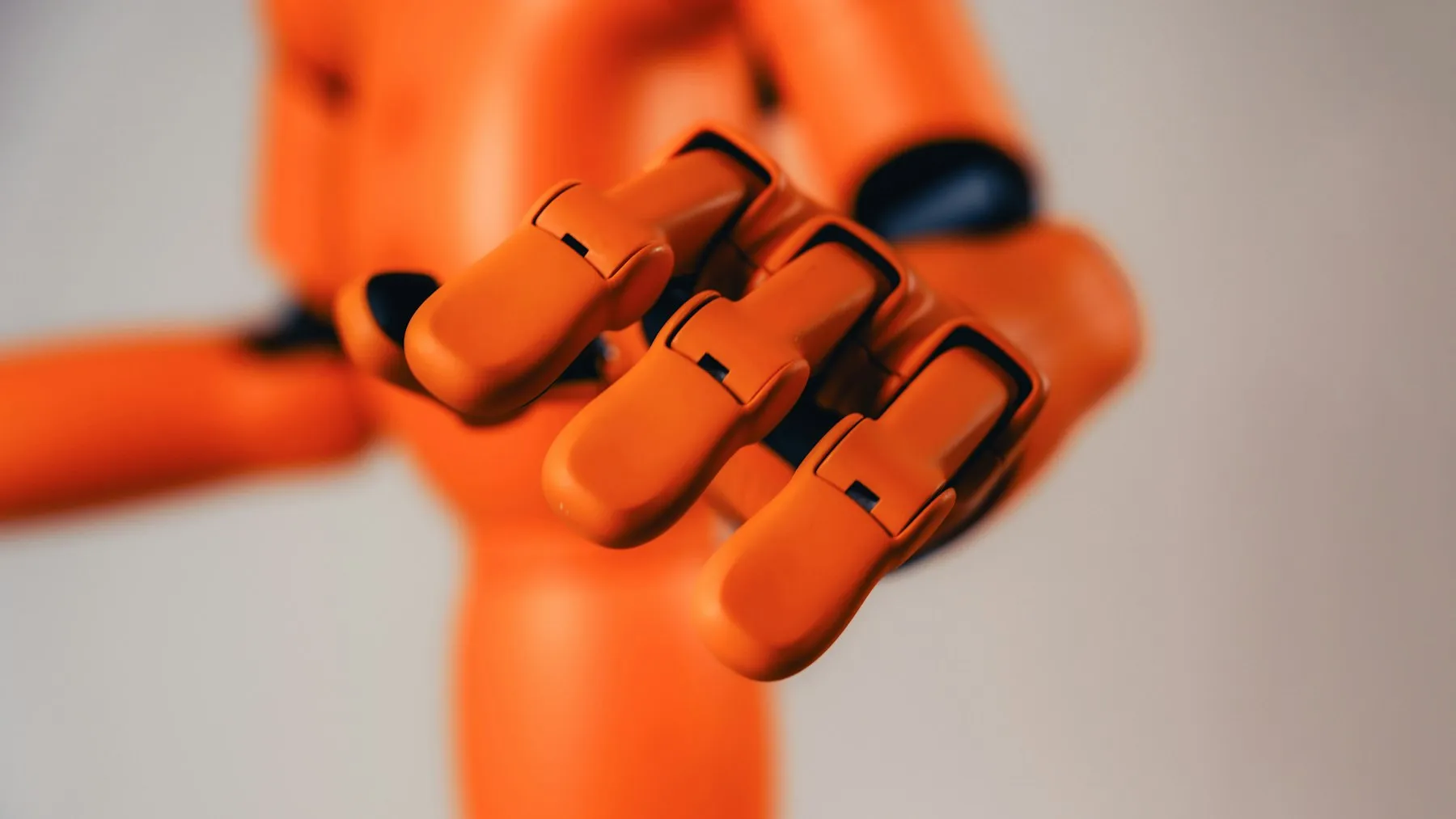
Every humanoid robot demo you’ve watched glide across a stage has a dirty secret: the robot doesn’t actually know where its own hand is. It’s guessing. Cameras grab pixels, a separate sensor guesses at motion, software stitches the two together a few milliseconds too late, and the machine acts on a picture of the world that’s already stale. Most of the time it works. Sometimes it puts a gripper through a box of eggs.
Let’s get the number on the table first: $165 million. That’s the Series C a Sunnyvale startup called Lyte just closed, at a $1.6 billion post-money valuation, to make robots stop guessing (SiliconANGLE).
The round was led by Maverick Silicon, with Fidelity, Atreides Management, Key1 Capital, and Ora Global piling in. It brings Lyte’s total funding to $272 million since the company was founded in 2021 (Crunchbase).
The thesis behind that check is simple and a little contrarian: before robots need smarter brains, they need honest eyes.
🧠 Why This Matters
The people writing this pitch have done it before. Lyte’s CEO, Alexander Shpunt, co-founded PrimeSense — the Israeli company whose depth-sensing chip powered the original Microsoft Kinect, and which Apple bought in 2013 for around $350 million (TechCrunch). His co-founders, Arman Hajati and Yuval Gerson, are also Apple alumni who worked on the sensing stack behind Face ID (Pulse 2.0).
So this is the crew that taught your phone to recognize your face in the dark, now aiming the same obsession with precise sensing at machines that have to move through a warehouse without flattening anyone. When they say perception is the bottleneck, investors listen — because they’ve watched this team turn perception into a shipping product once already.
“Physical AI has a sensing problem before it has a model problem. We build the entire perception foundation, from custom silicon to the spatial data our systems produce.” — Alexander Shpunt, CEO, Lyte
📊 Deep Dive
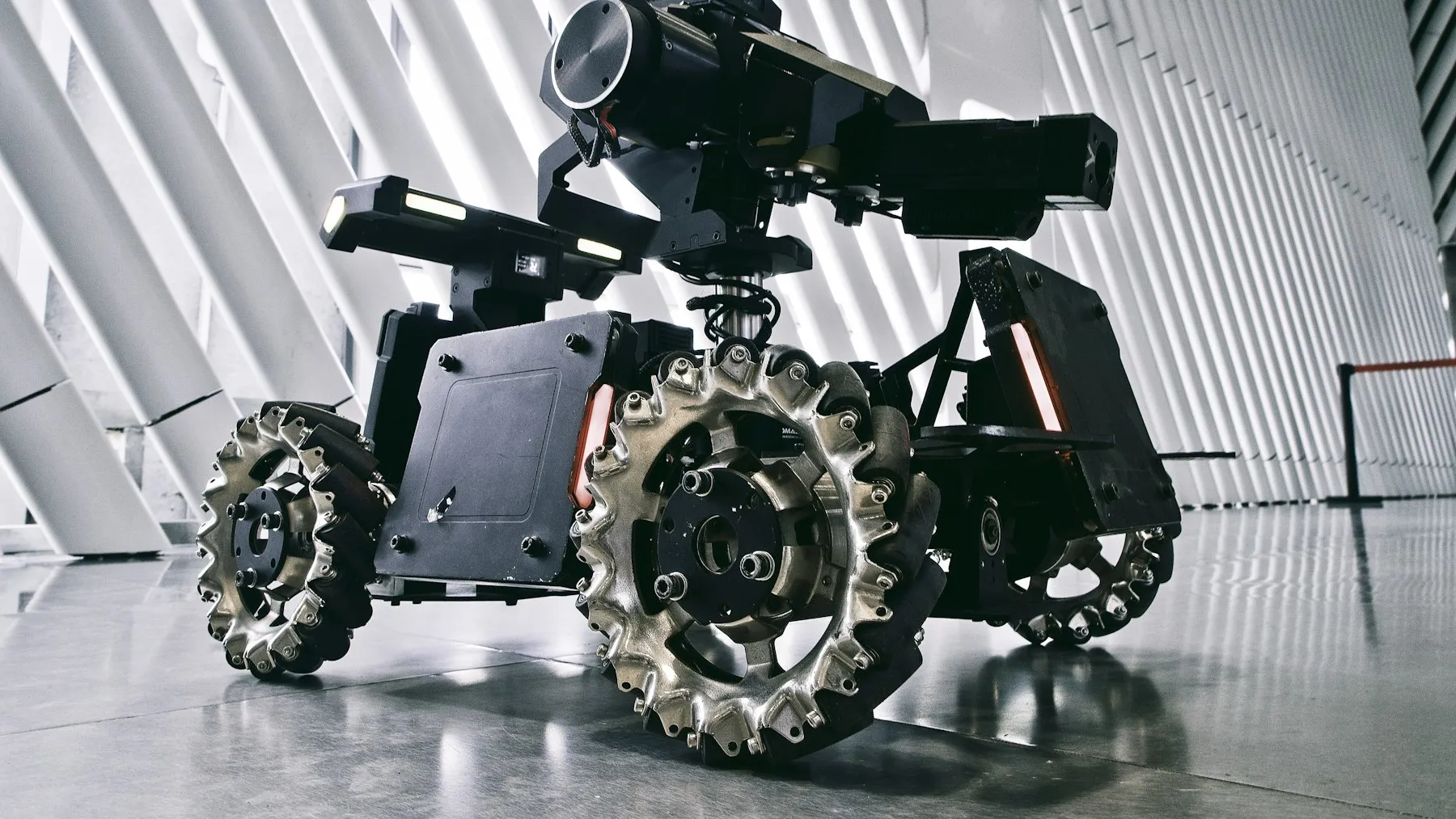
Here’s the technical bet. Most robots today bolt together off-the-shelf parts: a camera here, an inertial measurement unit there, maybe a LiDAR puck on top. Each runs on its own clock. The robot’s software has to reconstruct a coherent picture of motion after the fact, reconciling feeds that never quite agree on when something happened. That lag and disagreement is where errors creep in.
Lyte’s platform, LyteVision, folds vision, high-resolution imaging, and inertial sensing onto a single synchronized timeline, running on custom silicon the company designs itself. Instead of guessing at motion by comparing frames, the chip measures it natively — what Lyte calls 4D sensing (three dimensions of space plus time, locked together).
How the old way stacks up against Lyte’s approach:
- Off-the-shelf stack: separate camera + IMU + depth sensor, each on its own clock, fused in software after capture.
- Lyte’s stack: vision + imaging + inertial data captured on one synchronized timeline, on purpose-built silicon.
- Motion: reconstructed after the fact vs. measured directly at the sensor.
- Who builds it: a robotics team assembling third-party parts vs. one vendor owning silicon, sensor, and spatial software end to end.
The target customers aren’t sci-fi androids. Lyte is aiming squarely at warehousing, logistics, inspection, and manufacturing — the unglamorous places where robots already work shifts, and where a robot that misjudges a pallet’s position by two centimeters costs real money (Crunchbase).
“A robot cannot act safely on data that does not faithfully describe the world.” — Alexander Shpunt, CEO, Lyte
⚠️ The Catch
A $1.6 billion valuation is a lot to hang on a company that hasn’t disclosed a single named customer or a revenue figure. Lyte only stepped out of stealth in January 2026. The pitch is credibility and physics; the proof — robots on real floors, at volume — is still ahead of it.
There’s also the reunion problem. Shpunt has run this movie before. PrimeSense built genuinely impressive depth-sensing tech, and its splashiest consumer product, the Kinect, sold in the millions before Microsoft quietly discontinued it. Being technically right about sensing is not the same as owning a durable market. The graveyard of robotics is full of superior components that never became the standard.
And Lyte is selling custom silicon into a world where robot makers increasingly want to design their own. Convincing Figure, Tesla, or a logistics giant to outsource the one part they consider strategic — how the machine sees — is a genuinely hard sell, regardless of how good the chip is.
🎯 What Happens Next
The money is earmarked for exactly what you’d expect: scaling production of the sensing silicon, deploying across more robotics platforms, and expanding the engineering team. Watch for the first named design win. A single marquee customer — a humanoid maker or a top-three logistics operator standardizing on LyteVision — would do more for the story than another funding round.
The tell to watch is whether Lyte lands a platform deal or stays a components vendor. Components get squeezed on price. Platforms set the standard everyone else builds around. Which one Lyte becomes over the next 18 months decides whether $1.6 billion looks cheap or generous.
🧩 Bigger Picture
Lyte is riding a wave. Robotics startups pulled in roughly $23 billion in venture funding across 2026, nearly matching all of 2025 (Crunchbase). Most of that money has chased the flashy stuff — humanoid bodies and the AI “brains” that run them, like the $200 million and $3 billion valuation ex-DeepMind startup Generalist just landed for its robot-learning models.
Lyte is a bet on the layer underneath all of it. You can pour billions into a robot’s brain, but a brain fed bad data makes confident, well-reasoned, wrong decisions. The Face ID team is wagering that the next robotics fortunes get made not in the head, but in the eyes.
Give a robot a genius brain and blurry vision, and you’ve built a very expensive way to drop things.
Sources
- SiliconANGLE — Lyte raises $165M at $1.6B valuation to bring accurate perception to robots
- Crunchbase News — Former Apple engineers’ physical AI startup Lyte raises $165M at $1.6B valuation
- Pulse 2.0 — Lyte raises $165 million Series C at $1.6 billion valuation
- TechCrunch — Apple confirms it acquired PrimeSense
- Crunchbase News — Robotics startup venture funding surges in 2026