🔥 GM Just Bet $108 Million on a Grid Battery Built From Salt
GM Ventures led a $108M oversubscribed Series B for sodium-ion maker Peak Energy, which holds a $1B+ order book waiting on a 2027 Sacramento factory.
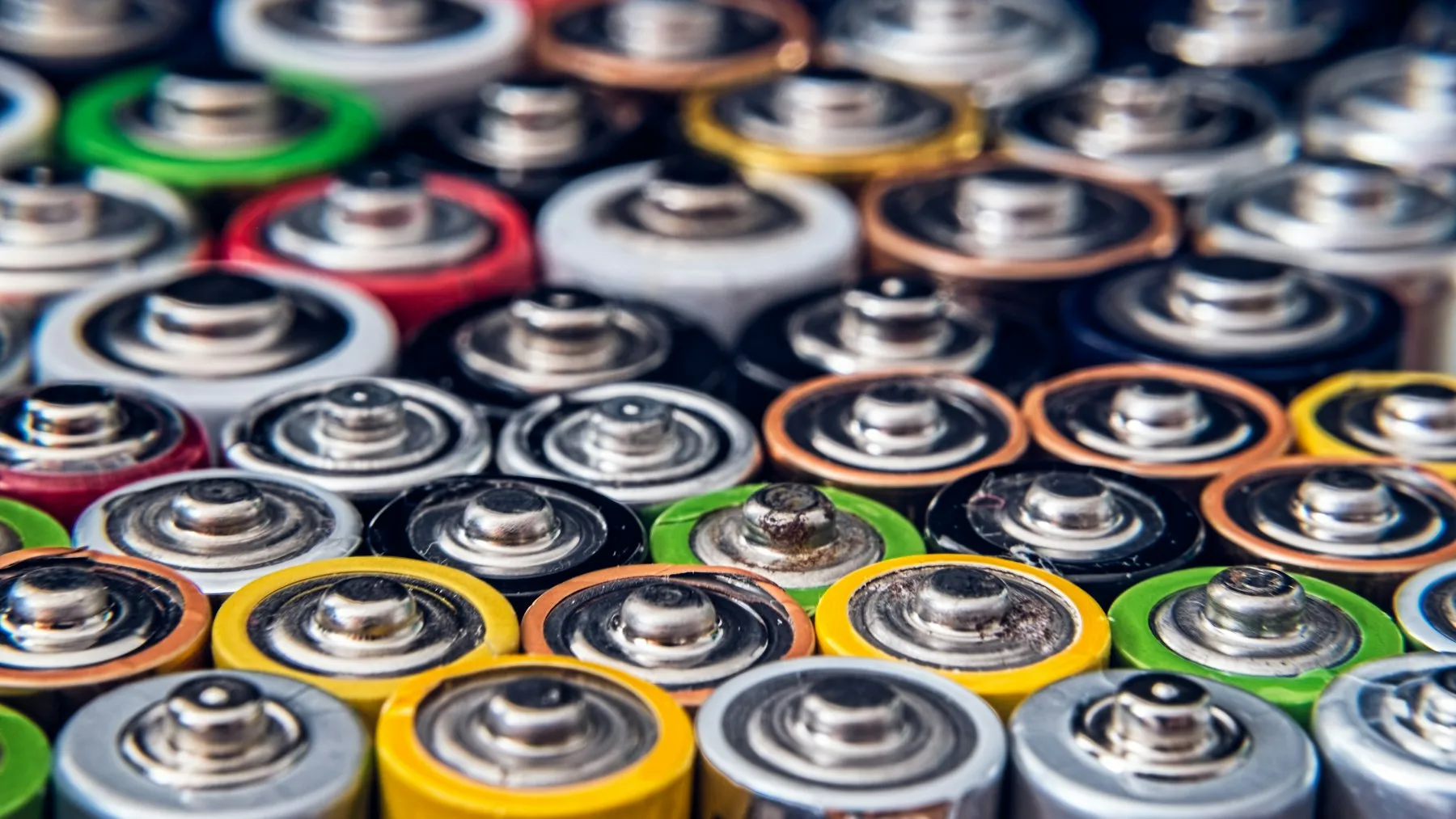
General Motors just wrote a check for a grid battery that contains no lithium, no cobalt, and no nickel. The active ingredient is closer to table salt.
Let’s get the number on the table first: $108 million. That’s the Series B that sodium-ion startup Peak Energy closed this week, led by GM Ventures, the venture arm of General Motors (Bloomberg). The round was oversubscribed, and it roughly doubles the $55 million the company had raised before.
Here’s why a carmaker’s venture fund cares about a battery it won’t put in a car: Peak isn’t building batteries for vehicles. It’s building room-sized boxes that sit next to solar farms and data centers and hold power for the grid. And it’s sitting on more than $1 billion in customer orders it can’t fully fill until a factory opens in 2027.
The thesis is blunt: the cheapest way to store grid power for the next decade might not be lithium at all.
🧠 Why This Matters
The grid-storage market has been a lithium monopoly by default. If you wanted to park a few hours of electricity next to a solar array, you bought lithium iron phosphate cells, and you lived with what came attached: fire risk, active cooling, water for that cooling, and a supply chain that runs through a handful of refiners.
Sodium-ion rewrites the bill of materials. Sodium is one of the most abundant elements on Earth, which takes the most volatile line item — the metal itself — and makes it close to free. Peak’s pitch is that this lets it build storage that’s passively cooled, needs no water, requires zero planned maintenance, and cuts the delivered cost of energy by up to 20% versus conventional storage (pulse2). Those are company figures, and they haven’t been independently verified — hold that thought for later.
The part that makes GM’s money make sense is timing. AI data centers are screaming for power that’s available at 2 a.m., and every hyperscaler build-out now comes with a storage shopping list attached.
📊 Deep Dive
Peak Energy was founded in 2023 and runs out of Burlingame, California, led by co-founder and CEO Landon Mossburg, with a bench drawn from Tesla, Enovix, and Fluence (pulse2). The money is pointed at one bottleneck: it has the customers, it doesn’t yet have the factory.
The order book is the headline most people miss:
- More than $1 billion in signed commercial agreements — roughly $1.1 billion by The Detroit News’s count (mgrid).
- Jupiter Power: up to 4.75 GWh from 2027 to 2030 — the bulk of the backlog.
- Energy Vault: a 1.5 GWh supply deal aimed at AI data centers.
- RWE US: a grid pilot in the Midwest market, capacity undisclosed.
- More than 6 GWh in total customer commitments as of July 2026.
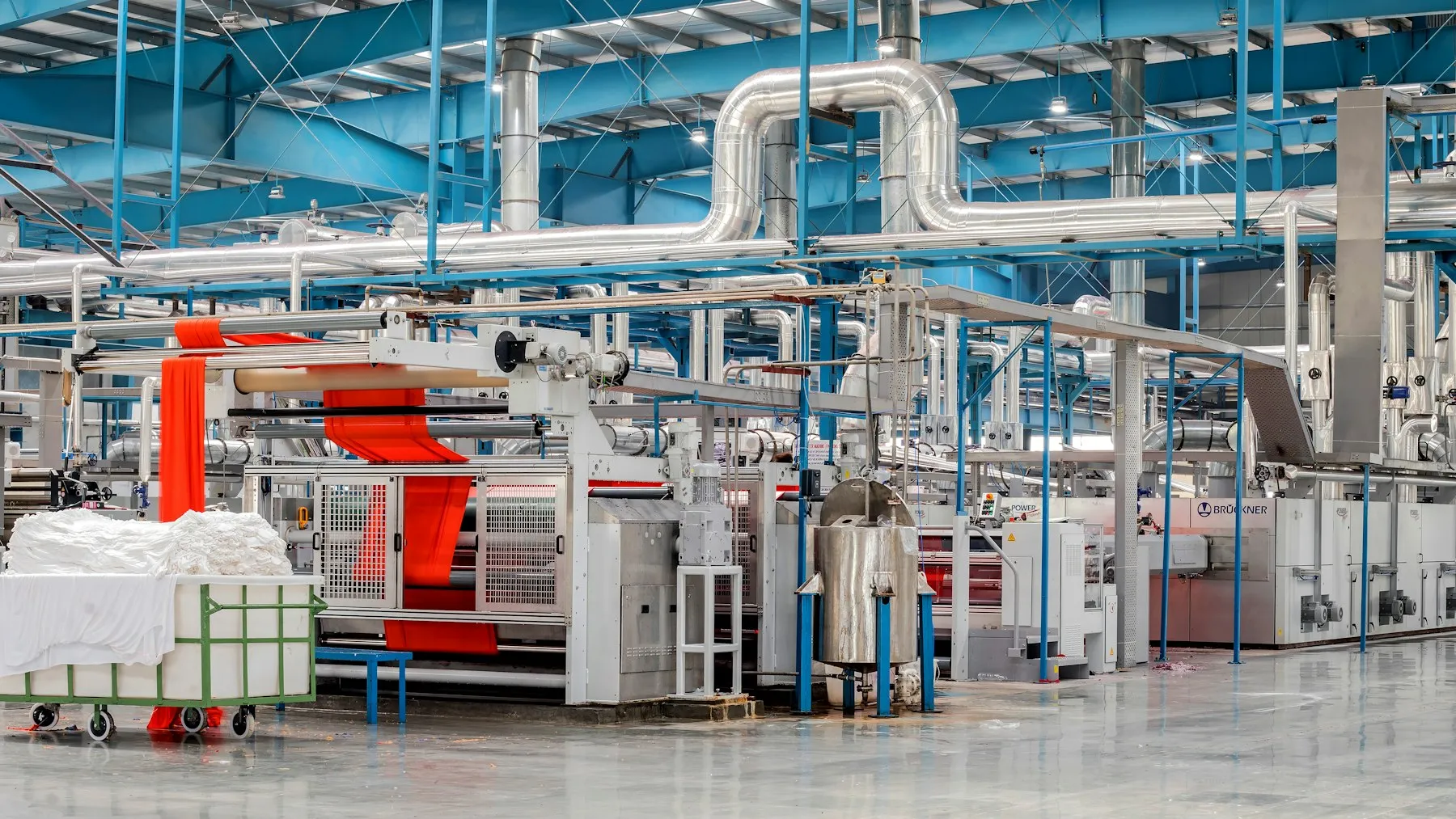
To deliver any of it, Peak is building a 183,000-square-foot plant in Sacramento with room for up to 4 GWh of annual output, a roughly $71 million capital project due to start production in Q1 2027 (Energy Storage News). GM’s involvement runs deeper than the cap table — the two agreed in June 2026 to co-develop next-generation cells at GM’s Michigan battery labs.
“The investment we announce today will supercharge Peak’s ability to scale and deliver.” — Landon Mossburg, co-founder and CEO, Peak Energy
The investor logic is just as plain:
“GM Ventures is investing to help Peak Energy continue to scale this innovative technology.” — Kevin McCabe, president, GM Ventures
⚠️ The Catch
Start with the uncomfortable line in Peak’s own story: the cells going into those American boxes are, for now, manufactured to Peak’s specifications by producers in China (Energy Storage News). The Sacramento plant assembles and packages; the Q1 2027 ramp is what’s meant to pull cell-making onshore. A company selling “domestic energy storage” on imported cells is a gap it has to close, not a slogan it has already earned.
Then the economics. Sodium-ion cells still cost more per cell than lithium today. Peak’s case rests on everything around the cell — no cooling hardware, no water, no maintenance — netting out cheaper over a project’s life. That’s a system-level claim, and until the factory is running at scale and third parties check the meter, it’s a projection, not a track record.
And the backlog is a promise in both directions. A billion-dollar order book is only revenue if the plant hits Q1 2027 and holds its yields. Miss the date, and those gigawatt-hours are contracts a competitor can court.
🎯 What Happens Next
Watch three dates. First, the Q1 2027 production start in Sacramento — the single milestone that converts the order book into cash. Second, whether Peak names an actual data center customer with a price per kWh attached; right now it has the category but no disclosed deal. Third, how fast cell production moves from overseas to U.S. lines, because that’s what turns the “made in America” pitch into something buyers and policymakers can bank on.
If the ramp lands, the $108 million looks like a down payment. If it slips, a billion dollars of demand goes looking for another supplier.
🧩 Bigger Picture
Sodium-ion is a rounding error today and a real market tomorrow. BloombergNEF projects demand climbing to 257 GWh by 2035, up from just over 1 GWh in 2025, enough to take nearly 10% of stationary storage (mgrid). That’s the lane Peak is trying to own before the incumbents wake up.
The strategic read on GM is the interesting one. A legacy automaker is quietly hedging into stationary storage while its core EV battery supply runs on lithium. When the company that needs lithium most starts funding the alternative, that tells you where it thinks grid economics are heading.
Salt doesn’t catch fire, doesn’t need water, and doesn’t run through a refinery bottleneck. For a grid that suddenly has to feed every AI data center in the country, boring and cheap might be the most exciting thing you can buy.
Sources
- Bloomberg — GM Leads $108 Million Funding Round for Sodium-Ion Battery Startup
- Energy Storage News — Sodium-ion storage maker Peak Energy raises $108 million in GM-led round
- pulse2 — Peak Energy Raises $108 Million Series B
- mgrid — GM Ventures Leads a $108 Million Round for Peak Energy
- GM Authority — GM Leads $108M Series B Funding Round For Peak Energy
❓ Quick answers
How much did Peak Energy raise and who led the round?
Peak Energy raised a $108 million oversubscribed Series B led by GM Ventures, announced October 21, 2026 (Bloomberg).
Why is a sodium-ion battery a big deal for grid storage?
Sodium-ion uses abundant sodium instead of lithium; Peak says its passively cooled systems need no water or planned maintenance and cut energy costs up to 20%, though the claims are not independently verified.
When does Peak Energy's factory open?
Its 4 GWh Sacramento, California plant is due to start production in Q1 2027 (Energy Storage News).