🔥 Nevada Just Cleared Tesla for 5,000 Robotaxis. Three Weeks Ago the Cap Was 10.
Nevada cleared Tesla to run up to 5,000 paid, driverless robotaxis in Clark County — three weeks after capping it at 10. The gap between the permit and the plan is the whole story.
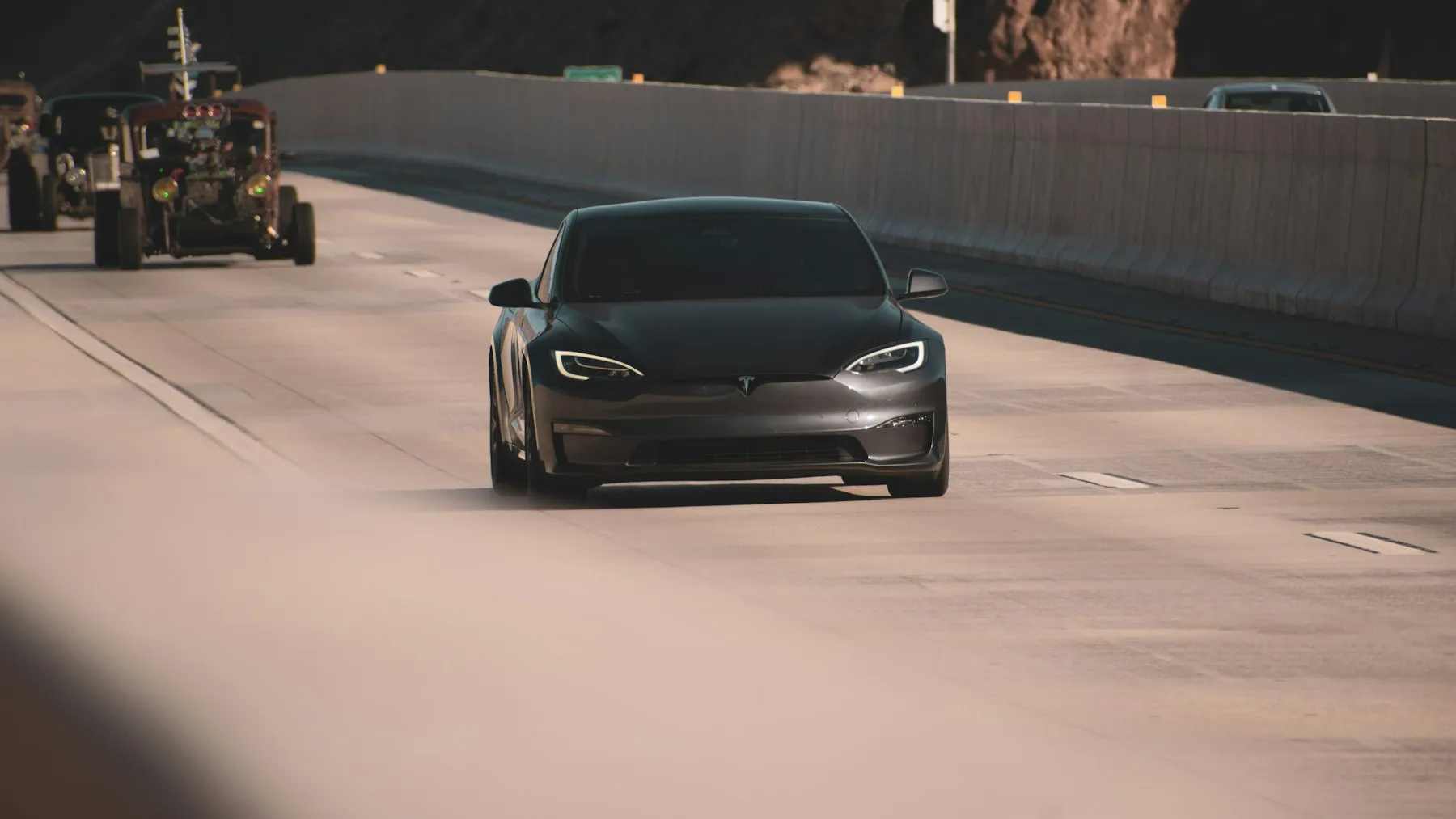
Three weeks ago, Nevada told Tesla it could put ten robotaxis on the streets of Las Vegas. Ten. Speed-capped at 45 mph, penned inside a stretch of the Strip, banned from the airport. Tesla had asked for 5,000.
On Thursday, the same regulator changed its mind. The Nevada Transportation Authority unanimously cleared Tesla to operate up to 5,000 driverless, paid-fare robotaxis across Clark County over the next twelve months — the full number it originally wanted. Waymo and Uber got 1,000 each. Amazon’s Zoox already holds 100.
The stock did what you’d expect. Tesla closed Friday up 5.14%, at $362.86, adding $17.73 a share on the news.
Here’s the thesis: the permit is real, the 5,000 is a ceiling nobody expects to touch, and the gap between those two facts is the whole story.
🧠 Why This Matters
Robotaxi permits are usually granted in trickles — a handful of cars, a fenced-off neighborhood, a human babysitter in the driver’s seat. A regulator handing a single company headroom for 5,000 driverless vehicles that collect money from strangers is a different order of magnitude.
It also resets the pecking order in America’s most-watched robotaxi market. Waymo has spent years earning trust one city at a time. Tesla, which only started charging for rides in Austin this summer, just walked into Nevada and got a paper ceiling five times higher than Waymo’s. On permitted fleet size, Tesla is suddenly the biggest name in the desert — at least in theory.
📊 Deep Dive
Rewind to how we got here. Tesla filed its application in early June (docket 26-05015), asking for 5,000 vehicles across all of Clark County. On July 27, the NTA came back with a counteroffer that read more like a rejection: 10 cars, 45 mph max, Strip corridor only, no pickups within a quarter-mile of Harry Reid International, “Robotaxi” markings required, and human supervision mandatory. Growing past ten meant coming back for another hearing.
That hearing came Thursday. This time the Authority approved full Autonomous Vehicle Network Company permits — the license that lets a company run paid, driverless rides — for four operators at once. The verified headline numbers:
- Tesla — up to 5,000 robotaxis over 12 months, with room to expand statewide on notification (Engadget)
- Waymo — 1,000 vehicles, and newly cleared to drop its safety drivers and run fully autonomous
- Uber — 1,000 robotaxis, operated through its Zoox and Motional partnerships
- Zoox — 100 vehicles, on a permit it already held
The early service area is the Golden Triangle between the airport and Las Vegas Boulevard, plus downtown and the Town Square shopping district. Paid rides are explicitly authorized for everyone — this isn’t a testing sandbox anymore.
⚠️ The Catch
Now the deflating part. That 5,000 is a speed limit, not a plan. Tesla’s own Cybercab chief engineer, Eric Early, said the quiet thing out loud.
“The 5,000 has always been a ceiling for us. I don’t think we’ll be in a position by this time next year to deploy 5,000 vehicles.” — Eric Early, Tesla Cybercab chief engineer (TechCrunch)
Tesla’s actual internal target is 2,500 vehicles on Nevada streets by 2027 — half the ceiling, and more than a year out. So the number that moved the stock is roughly double what the company itself expects to field. When the July permit capped Tesla at 10, one analyst put the skepticism plainly:
“It tells me the rollout of robotaxis in Las Vegas is going to be a lot slower than the market is currently pricing in.” — Grayson Brulte, AUTNMY AI (Axios)
There’s an operational wrinkle too. In Austin, Tesla has offered rides with no safety monitor in the car since January. Nevada’s framework has leaned harder on human supervision, which means the permit that looks bigger on paper may run under tighter conditions on the road.
🎯 What Happens Next
Watch the deployment count, not the ceiling. A permit for 5,000 is worth exactly as many cars as Tesla actually turns on, and the first real test is how many Cybercabs are carrying paying riders in Clark County by year-end versus the handful it starts with. Tesla plans to widen Austin service to employees this month, and Nevada is the next lane over.
Also watch Waymo. Losing its safety drivers in Las Vegas is arguably the more meaningful line in Thursday’s order — it turns an established, cautious operator loose to actually scale, against a rival whose big number is still mostly aspirational.
🧩 Bigger Picture
Las Vegas is turning into the clearest side-by-side robotaxi race in the country: four operators, one county, paid rides, published fleet caps. That transparency is the real gift here. For the first time you can line up Tesla, Waymo, Uber, and Zoox on the same map with the same rules and simply count cars.
And counting cars is about to matter more than counting permits. Regulators have now said yes to thousands of driverless vehicles in a single metro. The remaining question isn’t whether they’re allowed — it’s whether the machines, the software, and the public are ready for a fleet that size. Nevada just handed Tesla a very large empty parking space. Filling it is the hard part.
A permit for 5,000 robotaxis is a great headline. Ask again when there are 5,000 robotaxis.
Sources
- TechCrunch — Tesla, Uber, and Waymo all get the OK to operate thousands of robotaxis in Nevada
- Engadget — Nevada allows Uber, Tesla and Waymo to start paid robotaxi service
- Axios — Tesla sought a permit for 5,000 robotaxis in Las Vegas. It got 10.
- Electrek — Nevada caps Tesla’s Vegas robotaxi fleet at 10
- Fortune — Tesla asked Las Vegas for 5,000 robotaxi permits. Sin City gave it 10.
- The Motley Fool — Tesla gains on Nevada robotaxi permit approval