🔥 Merck Just Turned a $600-a-Month Injection Into a $315 Pill — and Cut Cholesterol 59%
Merck's Lipfendra (enlicitide) is the first oral PCSK9 inhibitor — a once-daily pill that cuts LDL up to 59%, matching the injectables at $315 a month.
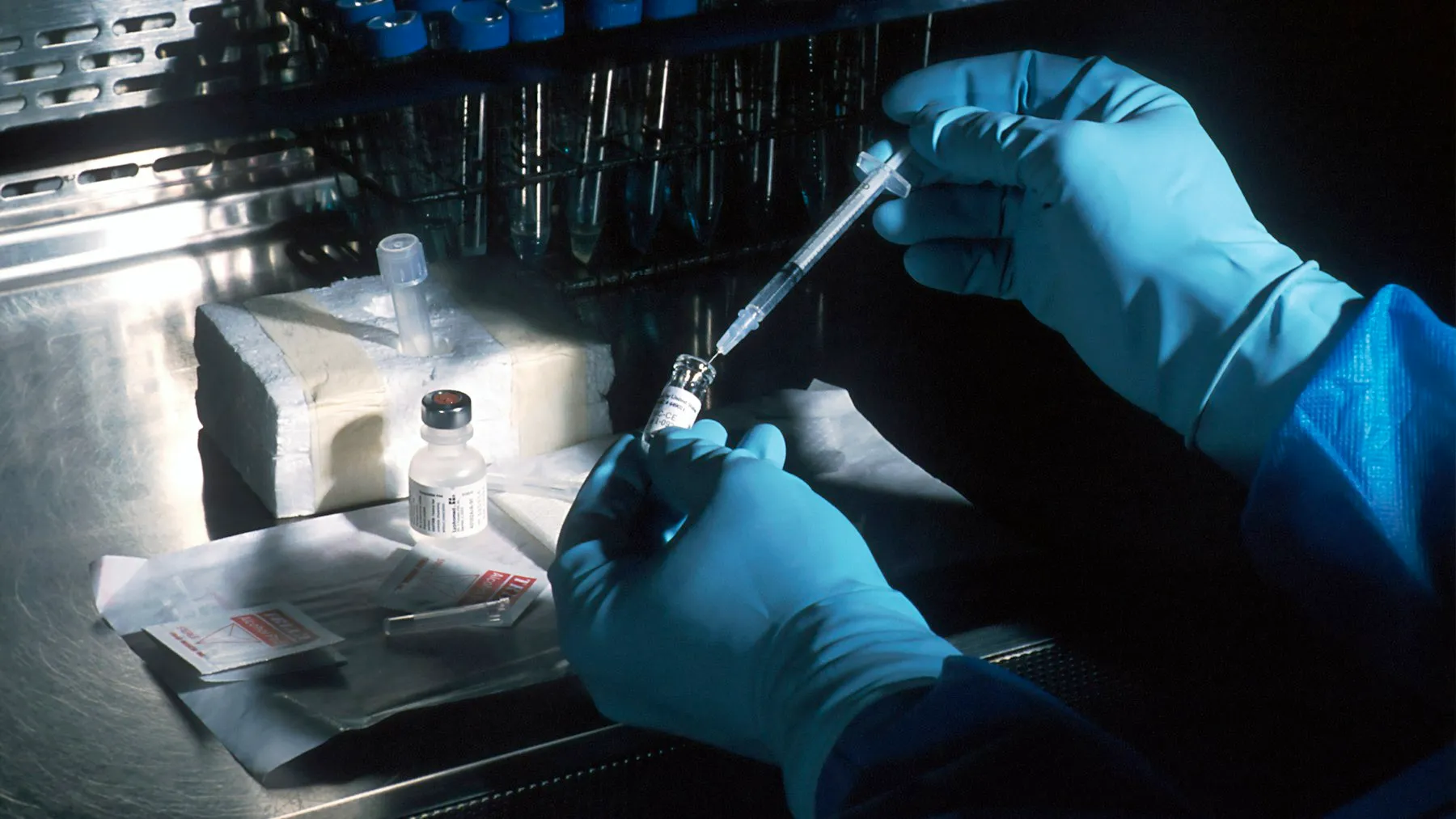
For a decade, the most powerful cholesterol drugs on the market came with a needle. To get your LDL down the way statins never could, you injected yourself in the belly every two weeks and paid roughly $500 to $600 a month for the privilege. Effective? Wildly. Convenient? Not remotely.
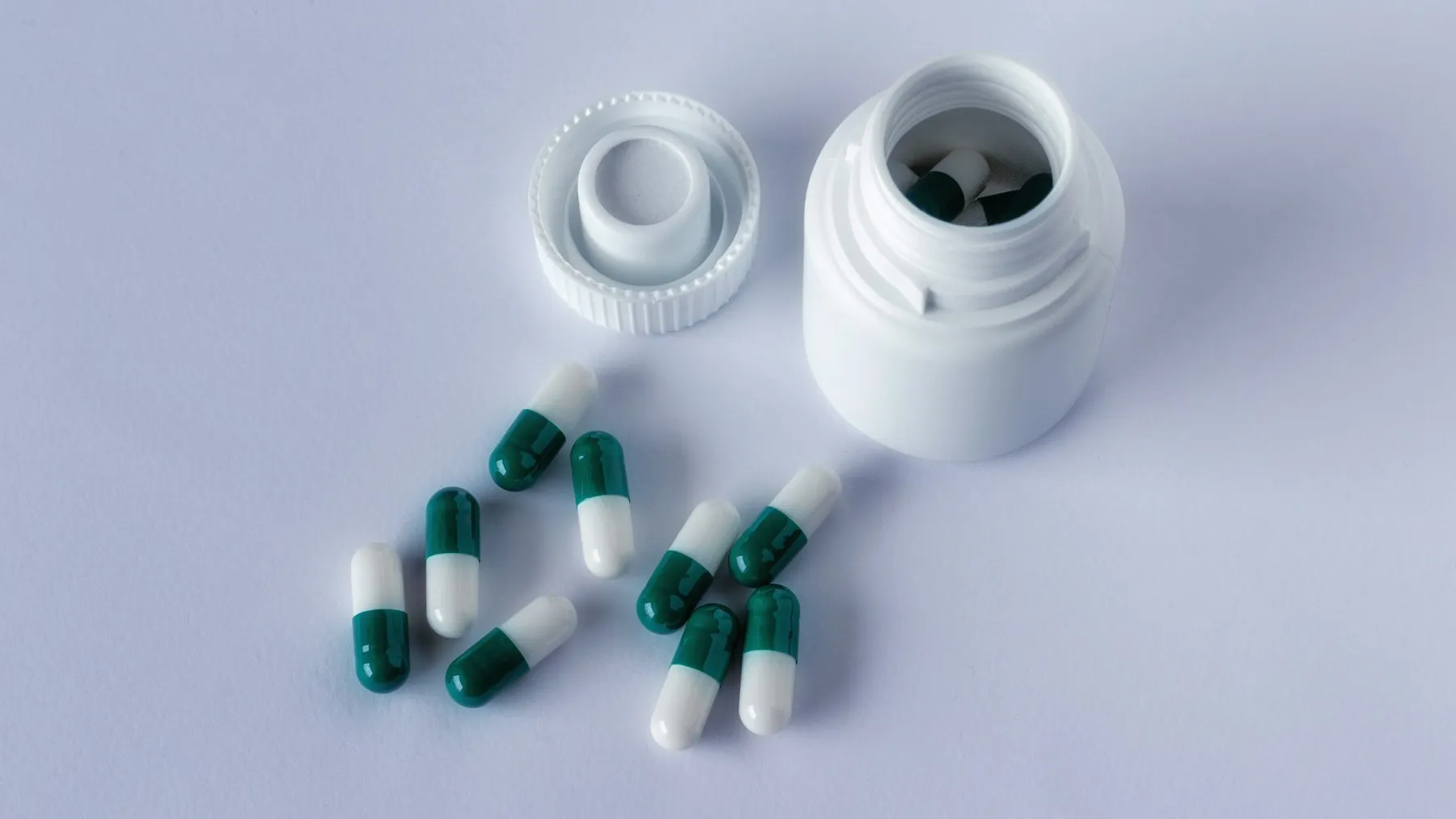
This week the FDA blew that trade-off apart. On July 17, 2026, it approved Merck’s Lipfendra (enlicitide) — the first and only once-daily oral PCSK9 inhibitor ever cleared in the United States (FDA). Same mechanism as the injectables. Same class-leading power. Except now it’s a pill you swallow with breakfast.
Here’s the number that matters: in Merck’s Phase 3 CORALreef program, Lipfendra cut LDL cholesterol by up to 59% — matching drugs you had to inject (Merck). And the list price? $315 for a 30-day supply — nearly half what the shots cost (BioPharma Dive).
The thesis: Merck just took the most effective cholesterol-lowering mechanism in medicine, put it in a pill, and undercut its rivals on price. That’s how you turn a niche injectable into a blockbuster.
🧠 Why This Matters
Cardiovascular disease is still the number-one killer in the United States, and high LDL — the “bad” cholesterol — is one of its most stubbornly modifiable causes. Statins have been the frontline for 40 years, but millions of people either can’t tolerate them or simply can’t get their LDL low enough on statins alone.
PCSK9 inhibitors changed the ceiling. By blocking a protein that stops your liver from clearing LDL, drugs like Repatha and Praluent drove cholesterol to levels statins couldn’t touch. The catch was always the delivery: a biologic antibody, too fragile for the gut, that had to be injected. Enlicitide is the trick nobody had pulled off — a small molecule that hits the same target but survives being swallowed.
“This is a pivotal moment as we bring the first U.S. FDA-approved oral PCSK9 inhibitor to adults with high LDL-C, offering patients an important new option.” — Dean Li, President, Merck Research Laboratories
📊 Deep Dive
Lipfendra is a once-daily 20-mg tablet — no refrigeration, no syringe, no biweekly ritual. Across the CORALreef trials, the results held up against the toughest competition in the category:
- 56% LDL-C reduction in adults with hypercholesterolemia at 24 weeks (FDA).
- 59% reduction in patients with heterozygous familial hypercholesterolemia — a genetic form of sky-high cholesterol (BioSpace).
- $315/month list price vs. $500–$600/month for injectable PCSK9 inhibitors like Repatha, Praluent and Leqvio (BioSpace).
- Zero contraindications and no hypersensitivity warnings on the label — a distinction the injectable antibodies can’t claim (BioSpace).
- ~$5 billion in projected peak annual sales by 2034, per RBC Capital Markets (BioSpace).
Put simply: enlicitide lowers LDL as much as the injections, in a pill, for less money. In a market where “as good, but easier and cheaper” is a rounding error away from “wins by default,” that’s a formidable pitch.
⚠️ The Catch
Lowering LDL is a surrogate for what actually matters — fewer heart attacks and strokes. Merck’s approval rests on cholesterol numbers, not yet on hard cardiovascular outcomes. The company’s large CORALreef Outcomes trial is still running, and until it reports, the “does this actually save lives?” question carries an asterisk (Merck).
Then there’s the daily-pill paradox. A shot every two weeks is annoying, but you can’t forget it twelve times a month. Real-world adherence to a once-a-day tablet — especially one taken for a condition with no symptoms — is a genuine wildcard. And $315 a month is cheaper than the injectables, but it’s still not a $10 statin. Insurers and pharmacy benefit managers will decide how many patients actually get it, and prior-authorization hoops could blunt the convenience story fast.
🎯 What Happens Next
Watch the payers. The entire disruption hinges on whether insurers put Lipfendra somewhere reachable on the formulary. If Merck gets favorable coverage, a pill that matches injectable efficacy at a lower sticker price could pull a wave of statin-intolerant and under-treated patients into the PCSK9 category for the first time.
Watch the incumbents, too. Amgen’s Repatha, Sanofi/Regeneron’s Praluent, and Novartis’s Leqvio just got a rival that removes their biggest weakness — the needle. Expect discounting, expanded access programs, and a scramble to defend market share. And watch the CORALreef Outcomes readout: if it shows enlicitide cuts cardiovascular events, the ceiling on that $5 billion forecast goes up.
🧩 Bigger Picture
This is a chapter in a much larger story: the pill-ification of biology. For years, the most potent therapies — for cholesterol, for obesity, for autoimmune disease — were biologics that had to be injected because their molecules were too big and delicate for the digestive tract. The frontier of pharma isn’t just discovering new targets; it’s shrinking proven ones into something you can swallow.
We’re watching it play out in obesity right now, where oral GLP-1s are chasing the blockbuster injectables. Enlicitide is the same move in cardiology: take a mechanism that already works, strip out the friction, and let convenience do the rest. When a drug is this effective, the innovation that wins isn’t a better molecule — it’s a better delivery.
“Elevated LDL cholesterol is one of its most important modifiable risk factors. This approval provides an additional treatment option… and reflects the FDA’s broader commitment to tackling chronic diseases.” — Michael Davis, M.D., Ph.D., Acting Director, FDA Center for Drug Evaluation and Research
Merck didn’t invent a new way to lower cholesterol. It did something arguably harder: it made the best way swallowable, cheaper, and boring. In medicine, boring is exactly what scales.
Sources
- FDA — Approves First Oral PCSK9 Inhibitor to Lower LDL Cholesterol
- Merck — Lipfendra (enlicitide) FDA Approval Announcement
- BioSpace — Merck Dives Into Cholesterol With First Oral PCSK9 Approval
- BioPharma Dive — Merck Wins First Approval of a PCSK9 Cholesterol Pill
- AJMC — FDA Approves Enlicitide, First Oral PCSK9 for High Cholesterol