🔥 Forget Robotaxis — $600 Million Just Went to Self-Driving Excavators
Bedrock Robotics raised $600M Series C at a $4.1B valuation to scale self-driving excavators already doing paid work on US construction sites.
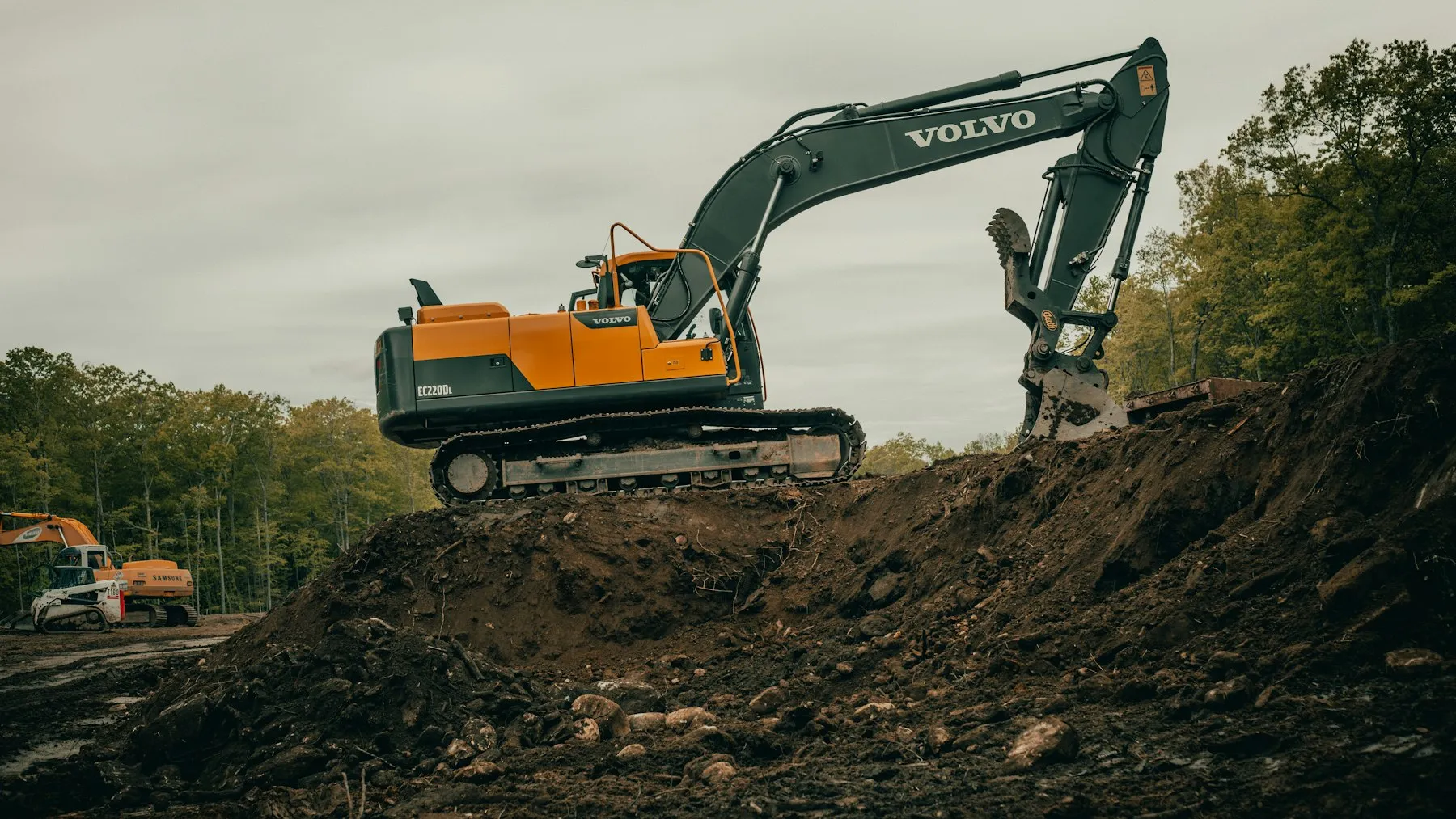
While everyone argued about when a robotaxi would finally turn a profit, a two-year-old startup pointed the same self-driving tech at a diesel excavator and got investors to open their wallets.
Let’s get the number on the table first: $600 million. That’s what Bedrock Robotics raised in a Series C round co-led by CapitalG and Emergence Capital, announced on October 26, 2026. The round values the company at $4.1 billion and pushes its total funding to nearly $1 billion since it came out of stealth (TechCrunch).
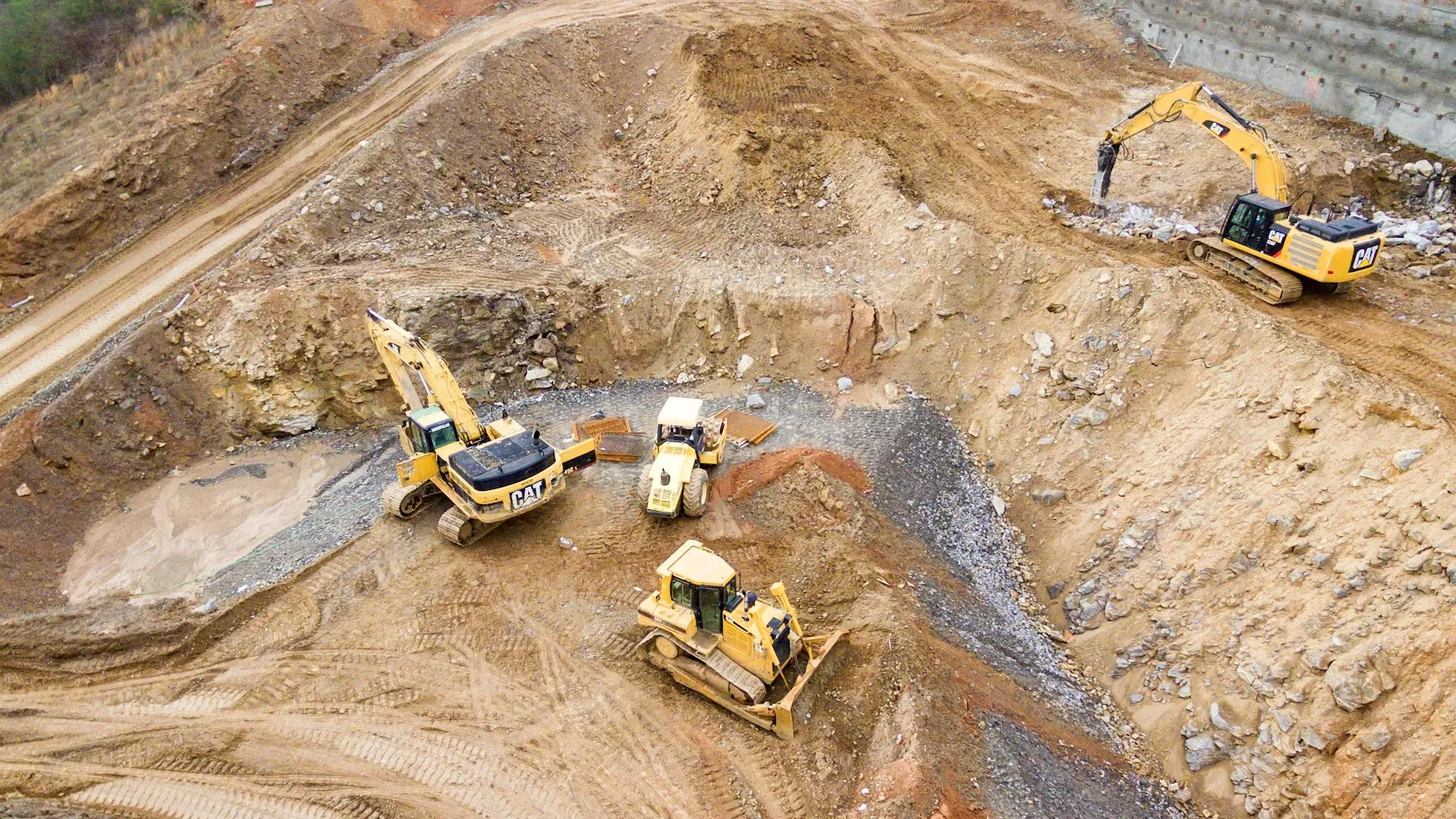
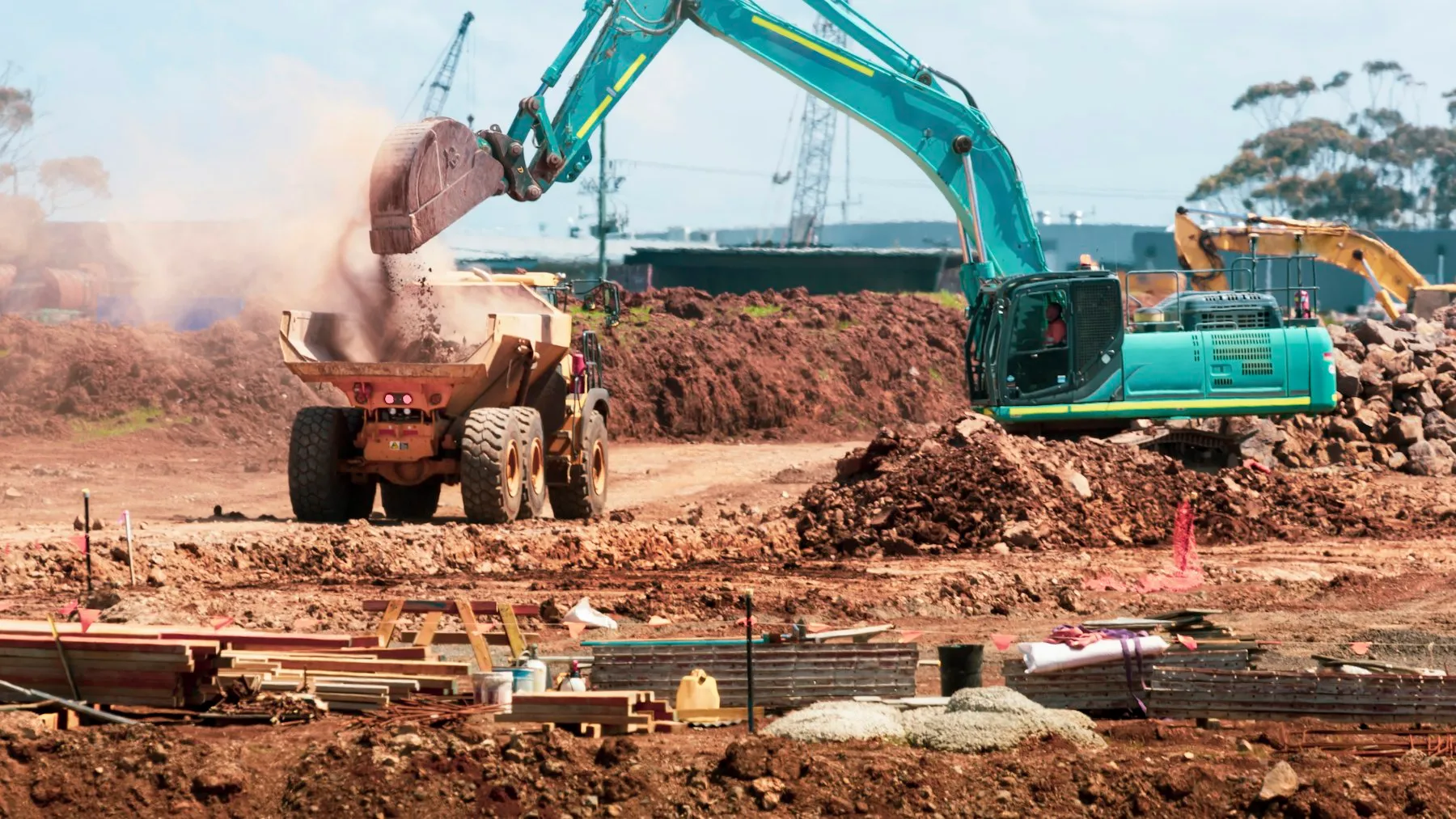
Here’s the twist that makes this more than another AI headline: the excavators are already doing paid work. Since mid-August, Bedrock’s machines have been moving dirt on live commercial job sites — not demos, not fenced-off test tracks, but real projects with real deadlines.
The thesis is simple. The hardest self-driving problem to monetize might not be the car. It’s the backhoe.
🧠 Why This Matters
Autonomous driving has spent a decade and tens of billions of dollars chasing public roads, where one wrong move means a lawsuit and a front-page story. A construction site is a very different animal: it’s private land, speeds are low, the “traffic” is a handful of coordinated machines, and nobody is jaywalking in front of a bulldozer.
That changes the math entirely. Bedrock isn’t selling a dream of someday — it’s billing contractors today.
And the timing is pointed. The construction industry is staring down a labor cliff. Employers will need to fill roughly 1.7 million openings a year through 2035, 87% of firms report open hourly craft positions, and 88% say those roles are as hard or harder to fill than they were a year ago (Robotics & Automation News). The Associated Builders and Contractors estimates more than 40% of the current workforce could retire within five years (TechCrunch).
You can’t will a million new excavator operators into existence. So the pitch writes itself.
📊 Deep Dive
Bedrock was founded in 2024 by a crew of autonomy veterans. CEO Boris Sofman previously ran Waymo’s self-driving trucks program and, before that, co-founded Anki — the company behind the Cozmo toy robot that shut down in 2019. Co-founders Kevin Peterson and Ajay Gummalla also came out of Waymo (TechCrunch).
The product isn’t a shiny new machine. It’s a self-driving kit that retrofits onto construction vehicles you already own — starting with excavators. That’s a deliberate choice: contractors keep their fleet, and Bedrock sells the brain, not the body.
Here’s how this round stacks up against the moment:
- Raise: $600M Series C — co-led by CapitalG and Emergence Capital
- Valuation: $4.1B post-money, roughly a year after leaving stealth
- Total raised: nearly $1B since 2024
- New backers this round: U.S. Innovative Technology Fund, Bessemer Venture Partners, Temasek
- Existing backers: 8VC, Georgian, Valor Equity Partners, Eclipse, Nvidia, and others (The AI Insider)
- On the ground today: paid autonomous excavation since August, with named deployments at a Nevada water-treatment facility, a Champion Site Prep earthwork job in Texas, and a 1.2-million-cubic-yard Zachry Construction project
The customer list is the tell. Bedrock says its customer base has more than doubled since 2025, with contractors from Arizona to Georgia signing on.
“We have proven that fully autonomous excavators can perform real work of value,” said CEO Boris Sofman. “The next challenge is delivering that capability to more contractors.”
⚠️ The Catch
Before you crown the earthmover the winner of the autonomy race, read the fine print.
“Fully autonomous excavators can perform real work” is a real claim — but a handful of named sites is not a national rollout. Bedrock hasn’t disclosed how many machines are actually running, and “more than doubled” sounds great until you remember that doubling a small number is still a small number.
There’s also the hard part Bedrock itself admits: it can take five years or more for a human to truly master an excavator. Digging a trench to spec, reading unstable soil, not clipping a buried gas line — that judgment is exactly what’s slow and expensive to teach a machine. Early earthmoving and site prep are the friendlier end of the job. The finesse work is harder.
And the backdrop isn’t gentle. The Nasdaq opened November with a 1% drop amid a broader tech wobble (CNBC). A $4.1B valuation on a company still measuring deployments in single digits leaves very little room for a bad quarter.
“That’s not a software problem, it’s a physical one, and Bedrock is building for it,” said Emergence Capital’s Jake Saper (Robotics & Automation News).
Physical problems are stubborn. They don’t get patched overnight.
🎯 What Happens Next
With $600M in the bank, Bedrock says it will put more equipped machines in the field and expand its operations and commercial teams — the unglamorous scaffolding that turns a pilot into a product.
Watch three things. First, a real machine count — the number Bedrock conspicuously isn’t sharing yet. Second, repeat contracts, because a contractor who re-books is worth ten who try it once. Third, whether the kit jumps past excavators to dozers, loaders, and haul trucks, which is where the retrofit model either compounds or stalls.
If any of those lands, expect Caterpillar, Komatsu, and Deere — all circling autonomy themselves — to move faster.
🧩 Bigger Picture
This round is a bet on a quiet reordering of where AI actually pays. The flashy frontier is chatbots and robotaxis. The boring, bankable frontier might be the industries that can’t hire fast enough — the ones Emergence estimates make up more than 20% of global GDP.
Construction is the test case. If a retrofit kit can reliably run a fleet of excavators with a shrinking crew, the same playbook points at mining, agriculture, ports, and warehouses. Nvidia didn’t put its name on this cap table by accident.
The robotaxi taught the world that autonomy is hard where the stakes are high and the environment is chaotic. Bedrock’s wager is the mirror image: go where the ground is flat, the rules are yours, and the help simply isn’t coming.
Silicon Valley spent a decade teaching cars not to hit people. The real money may be in teaching machines to dig.
Sources
- TechCrunch — This startup’s self-driving excavators help dig up $600M in new funding
- Robotics & Automation News — Bedrock Robotics raises $600 million to scale autonomous excavators
- The AI Insider — Bedrock Robotics Raises $600M Series C at $4.1B Valuation
- CNBC — Nasdaq starts November with 1% loss
❓ Quick answers
How much did Bedrock Robotics raise and at what valuation?
Bedrock Robotics raised $600 million in a Series C round at a $4.1 billion valuation, announced October 26, 2026, co-led by CapitalG and Emergence Capital (TechCrunch).
What does Bedrock Robotics make?
A self-driving kit that retrofits onto existing construction vehicles, starting with excavators, so contractors can run their current fleets autonomously. Its machines have done paid work on live US job sites since mid-August 2026 (TechCrunch).
Who founded Bedrock Robotics?
It was founded in 2024 by autonomy veterans including CEO Boris Sofman, who previously led Waymo's self-driving trucks program and co-founded Anki, maker of the Cozmo robot (TechCrunch, Oct 26, 2026).