
🔥 Rejected Twice, Approved on the Third Try: The Tumor-Injected Virus That Just Cleared the FDA
After two rejections, Replimune's tumor-injected virus Tudriqev won accelerated FDA approval on August 6 — a 24.2% response rate in melanoma that had beaten standard immunotherapy.
Most drugs get one shot at the FDA. Replimune’s melanoma therapy needed three.
On August 6, 2026, the agency granted accelerated approval to Tudriqev (generic name: vusolimogene oderparepvec-wtpg), a genetically engineered virus that doctors inject straight into a tumor. In the pivotal trial, it shrank tumors in 24.2% of patients whose cancer had already outrun the standard immunotherapy — and in those who responded, the benefit held for a median of 14.1 months (Replimune).
Those aren’t cure numbers. But for people who’ve run out of options, a one-in-four chance at a durable response is a genuine door where there wasn’t one before. And the fact that this door opened at all is the real story — because the FDA had slammed it twice.
An off-the-shelf virus just became a cancer drug, after a regulatory fight that nearly killed it.
🧠 Why This Matters
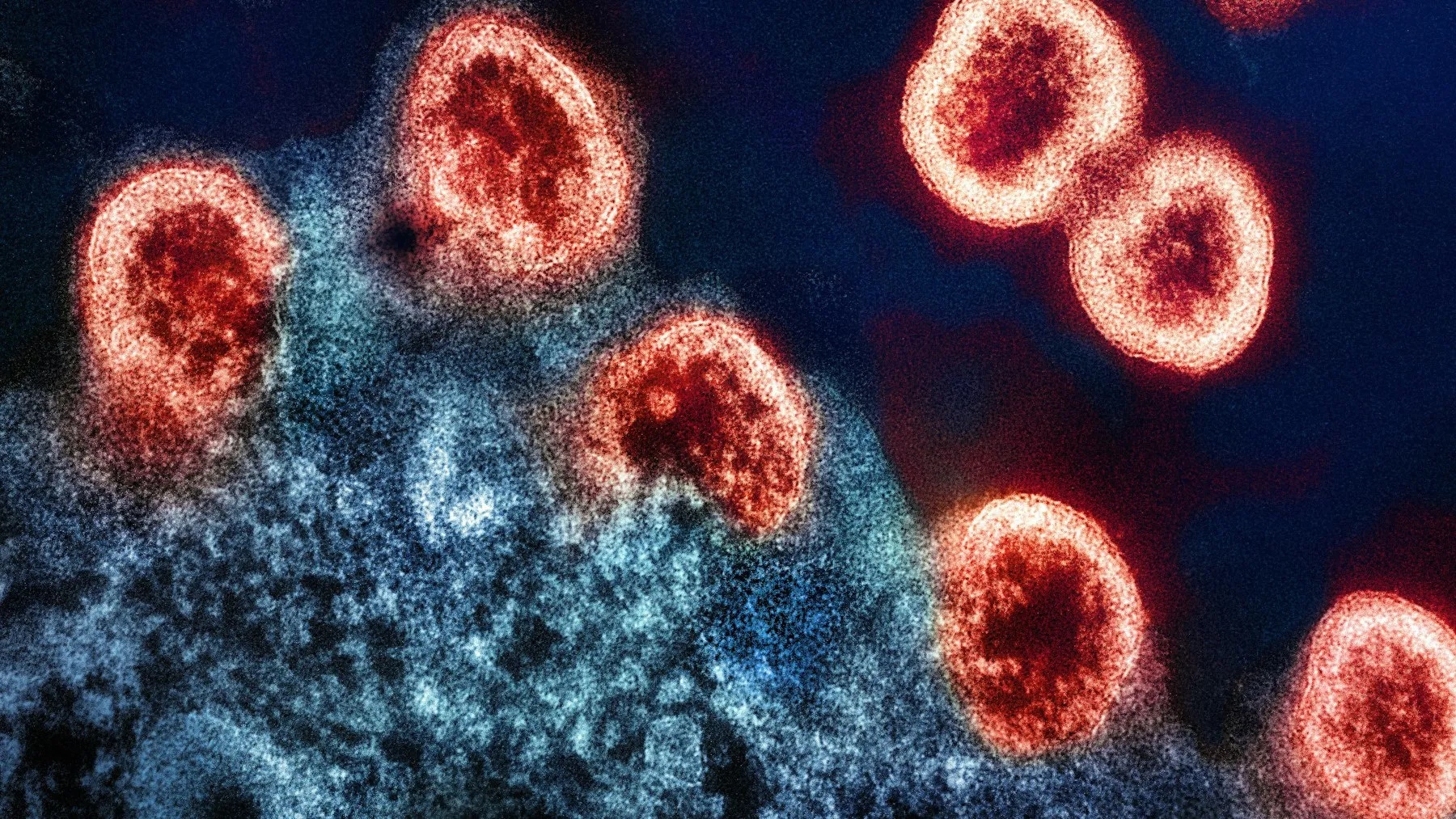
Tudriqev is an oncolytic virus — a modified herpes simplex virus (the same family behind cold sores) reprogrammed to do two jobs. It infects and bursts cancer cells from the inside, and it flags the tumor for the immune system so the body’s own T-cells pile on. Replimune pairs it with Bristol Myers Squibb’s Opdivo (nivolumab), the checkpoint inhibitor that takes the brakes off those T-cells.
The patients here had already failed anti-PD-1 therapy — meaning the best first-line immunotherapy stopped working. That’s a brutal spot. Advanced melanoma that escapes checkpoint drugs has few good answers, and the ones that exist are heavy lifts. The approval matters because it adds an option that’s comparatively simple: a shot into the lesion, in the clinic, no manufacturing wait.
Contrast that with the alternative. Iovance’s Amtagvi, another recent melanoma therapy, is a personalized cell treatment — surgeons harvest a patient’s own tumor-fighting cells, a lab grows them for weeks, then infuses them back. Powerful, but logistically enormous. Tudriqev is what pharma calls off-the-shelf: it sits in a freezer, ready to go (FiercePharma).
“This is a transformative moment for Replimune, marking years of pioneering research to bring Tudriqev to patients desperately in need of new treatment options for advanced melanoma.” — Sushil Patel, CEO, Replimune
📊 Deep Dive
The approval rests on the IGNYTE trial, an early-to-mid stage study that enrolled 140 patients, with 91 in the efficacy-evaluable group the FDA leaned on (Replimune). Here’s how the numbers and the logistics stack up against the field:
- Objective response rate: 24.2% of evaluable patients saw tumors shrink — after their previous immunotherapy had already failed.
- Durability: median duration of response of 14.1 months, the figure that arguably matters most in a late-line setting.
- Delivery: injected directly into the tumor, in-clinic, versus Amtagvi’s weeks-long personalized cell-manufacturing pipeline.
- Regulatory basis: accelerated approval — a conditional green light that still hinges on a larger confirmatory Phase 3 trial, with results expected in late 2027 (BioPharma Dive).
- Commercial ceiling: Leerink Partners pegs peak sales near $618 million; broader Wall Street consensus sits closer to $971 million (FiercePharma).
Oncolytic viruses aren’t brand new — the FDA cleared the first one, Imlygic, back in 2015. What’s changed is the pairing with checkpoint inhibitors, the idea being that lighting up the tumor and releasing the immune brakes at the same time works better than either alone.
⚠️ The Catch
Start with the trial design, because that’s what the FDA kept tripping over. IGNYTE was a single-arm study — everyone got Tudriqev plus Opdivo, with no control group taking Opdivo alone. That makes it genuinely hard to prove how much of the 24.2% came from the virus versus the checkpoint drug it rides alongside. In its first rejection, the FDA flatly called the trial “not considered to be an adequate and well-controlled clinical investigation” (Benzinga).
Then there’s the word accelerated. This approval is provisional. If the confirmatory Phase 3 readout in late 2027 doesn’t hold up, the drug can be pulled. And investors weren’t exactly popping champagne: Replimune stock actually fell about 5% the morning after approval, trading around $12.21 — a classic “sell the news” shrug after a long, bruising campaign (Benzinga).
🎯 What Happens Next
The confirmatory trial is everything. Replimune is running a randomized Phase 3 that pits the Tudriqev–Opdivo combo against standard options, and that readout — due late 2027 — will decide whether the accelerated approval converts to a full one or gets clawed back.
Commercially, the near-term job is getting oncologists comfortable injecting a live engineered virus into tumors on a routine basis, and getting payers to cover it. Peak-sales estimates hovering under $1 billion suggest analysts see a real but bounded market: a meaningful niche in post-PD-1 melanoma, not a blockbuster that reshapes the company overnight.
🧩 Bigger Picture
Zoom out and this is a story about how a drug survives a regulatory near-death experience. The path ran through a rejection in 2025, a second Complete Response Letter in April 2026, and a public spat in which Replimune flagged what it called inconsistencies in the FDA’s review. What flipped it: an advisory committee of outside experts voted 10-3 on July 30, 2026 that the benefit outweighed the risk, and the agency reconsidered (AJMC).
That’s a reminder that “the FDA said no” isn’t always the last word — and that single-arm trials in hard-to-treat cancers keep forcing the same uncomfortable question: how much proof is enough when the patients waiting can’t afford a five-year detour for a cleaner study?
“With the approval of Tudriqev, we have a potent oncolytic immunotherapy that can be used in a broad population.” — Dr. Michael K. Wong, oncologist
A virus that infects tumors spent two years getting rejected by the very agency that just made it a medicine. In cancer, sometimes the third time really is the charm.
Sources
- Replimune — Announces FDA Accelerated Approval of TUDRIQEV (official press release)
- FiercePharma — Replimune secures FDA approval for melanoma therapy Tudriqev after long regulatory battle
- BioPharma Dive — Replimune rebounds to win FDA approval of melanoma drug
- AJMC — After Wild Ride, FDA Grants Accelerated Approval for Replimune’s RP1 Plus Nivolumab
- Benzinga — Two Rejections, Messy Process: Replimune Finally Secures FDA Approval
- CancerNetwork — FDA Advisory Committee Backs RP1/Nivolumab for Advanced Melanoma