🔥 Google's Newest AI Burned Through 25 Trillion Tokens in 72 Hours — Now It's Rationing
Gemini 4 Argon processed almost 25 trillion tokens in its first 72 hours — about 3x Gemini 3 — and Google says it's now capacity constrained.
Google just put a number on how hungry its newest model is, and it’s the kind of figure that stops you mid-scroll.
In its first 72 hours of wide release, Gemini 4 Argon chewed through almost 25 trillion tokens — roughly three times what Gemini 3 handled over the same stretch a year earlier (sources.news). Sundar Pichai dropped the stat himself on Alex Heath’s Sources podcast, which aired October 21.
That isn’t a vanity benchmark Google went looking for. It’s the reason Pichai spent part of the interview admitting his company is, in his own words, “super constrained.” Access to Argon is currently walled off to the paid API and the Pro and Ultra tiers of the Gemini app — not because Google is being coy, but because it can’t feed everyone at once (getscuttlebutt).
The shortage in AI right now isn’t ideas or models. It’s whether anyone can build enough computers to run the ones already shipped.
🧠 Why This Matters
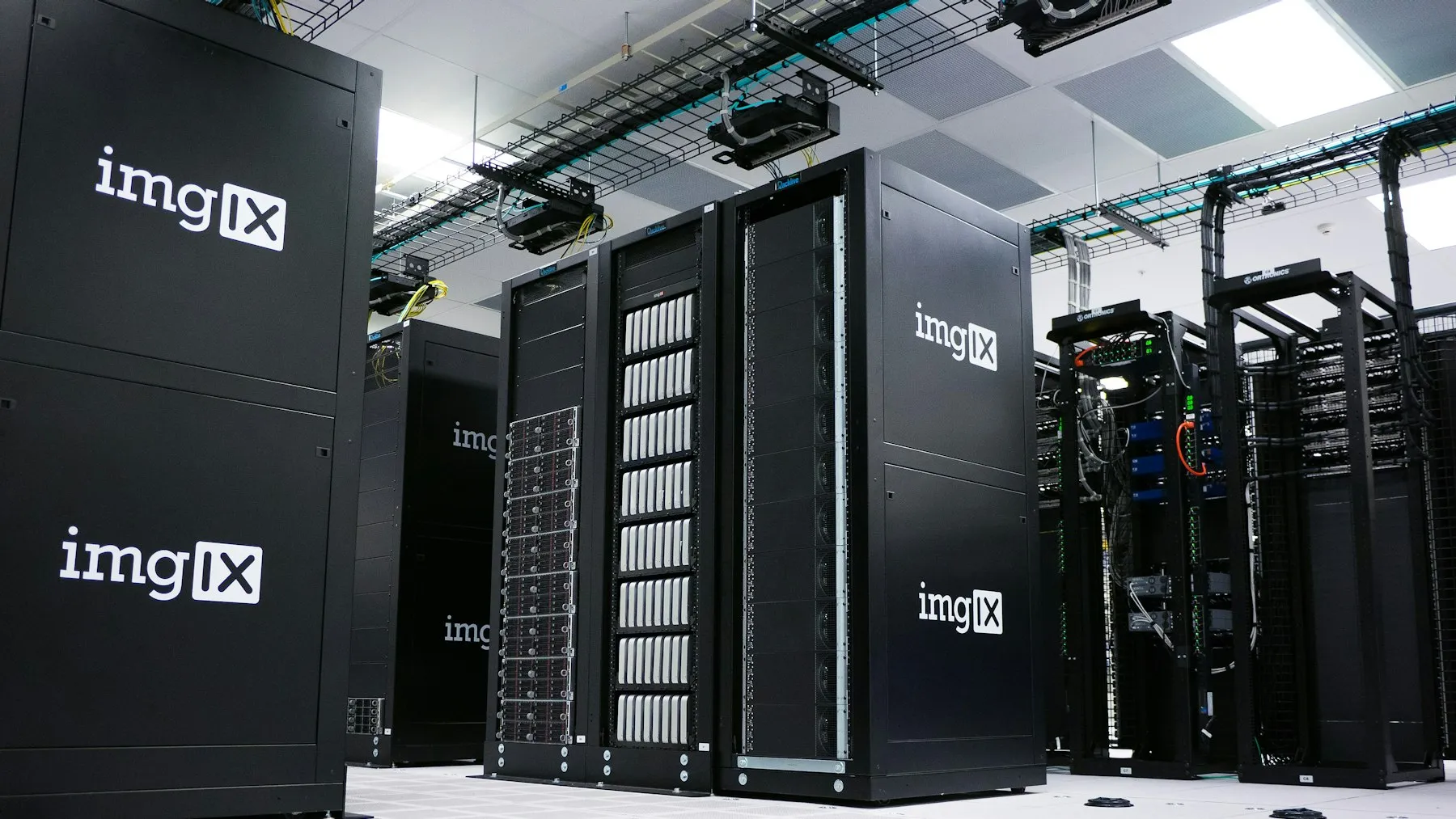
A token is a chunk of text — a word, part of a word, a punctuation mark. Twenty-five trillion of them in three days is an abstraction until you try to picture the hardware underneath. Every one of those tokens is a model doing math on a chip somewhere, drawing power, generating heat, waiting its turn in a queue.
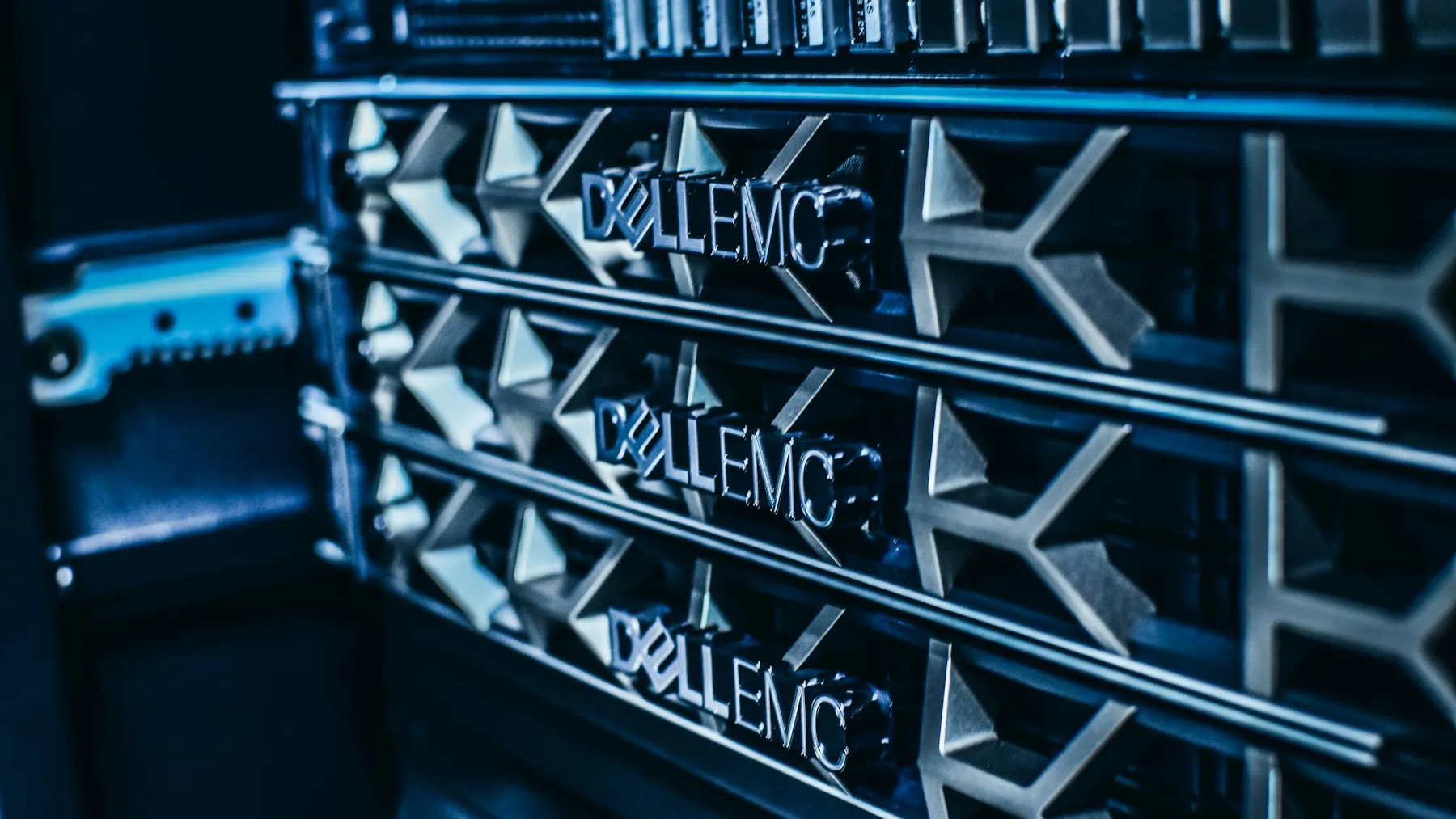
So when the CEO of a company with its own custom chips, its own data centers, and one of the deepest balance sheets on Earth says he’s out of room, that tells you where the real ceiling sits. It isn’t the algorithms. It’s the physical plant.
Here’s the quote that lands, straight from Pichai:
“We are super constrained. And more importantly, we’re using it for real today in practical value-deriving ways.”
Translation: demand for Argon showed up faster than the capacity to serve it, and Google is triaging who gets in.
📊 Deep Dive
Gemini 4 Argon is Google’s current flagship, and the usage curve out of the gate was steep enough that Pichai described it plainly rather than dressing it up:
“we’ve had about almost 25 trillion tokens, which is about 3x what 3.0 had in the first 72 hours.”
The raw comparison, by the numbers:
- Tokens in the first 72 hours: ~25 trillion for Argon, versus roughly 8 trillion implied for Gemini 3 over the same window (sources.news)
- Growth multiple: about 3x, year over year, same measuring stick (cryptobriefing)
- Where Pichai said it: the Sources podcast with Alex Heath, aired October 21, 2026 (getscuttlebutt)
- Current access: paid API plus the Pro and Ultra tiers of the Gemini app — not the free tier (getscuttlebutt)
- What got cut to get here: Google scrapped Gemini 3.5 Pro and folded its work into Argon’s post-training rather than shipping it (getscuttlebutt)
That last point is the quiet tell. Google had a perfectly good interim model sitting on the shelf and killed it, because shipping another product would have meant splitting scarce compute between two things instead of pouring it all into one. When you’re rationing, you stop serving the appetizers.
⚠️ The Catch
A giant token number is a demand signal, not a profit statement. Running 25 trillion tokens in three days costs Google real money — chips, electricity, cooling — and most of that usage is flowing through paid tiers at introductory conditions while the company races to add capacity.
The strain is already visible in the accounts. Pichai was on the podcast partly to defend Google’s spending, which by his own telling pushed the company’s free cash flow negative over the summer for the first time since its IPO (getscuttlebutt). Huge usage and negative cash flow at the same time is the whole AI era in one sentence: everybody wants the thing, and serving it is wildly expensive.
His defense of the bet was blunt:
“It’s not just hope.”
Maybe. But “constrained” is a polite word for “we can’t sell you as much as you’d buy,” and that gap is where the risk lives.
🎯 What Happens Next
Pichai’s own escape hatch is efficiency. His plan isn’t only to build more data centers — it’s to shrink the model until it stops eating so much:
“We can distill off these models and get versions which are nearly as capable but much more efficient.”
Distillation means training smaller, cheaper models to mimic the big one. Expect lighter Argon variants aimed at widening access without 3x-ing the power bill, and expect the free tier to stay gated until that math works out. If the distilled versions hold up, the constraint eases. If they don’t, Google keeps rationing and keeps spending.
Watch two dials: how fast the cheaper variants ship, and whether “super constrained” turns into “available to everyone” by the time a competitor’s next model lands.
🧩 Bigger Picture
Argon’s token spike isn’t a Google story so much as an industry one. Every major lab is hitting the same wall — demand outrunning the silicon and the megawatts to serve it. It’s why the chip supply chain has become the most fought-over real estate in tech, and why hyperscalers keep raising capital-spending targets. Alphabet had already guided its 2026 capital spending toward as much as $205 billion before this (w.media), and a usage curve like Argon’s is exactly the pressure that keeps those numbers climbing.
The models crossed a threshold a while ago. The infrastructure is still trying to catch up, and for now the people building the AI are also the ones standing in line for it.
Google built a model so good it can’t afford to let everyone use it yet — and that, not the benchmark scores, is the real state of the art.
Sources
- Sundar Pichai on Gemini 4 and the AI compute crunch — Sources (Alex Heath)
- Google CEO: Gemini 3.5 Pro never shipped because Argon would have made it obsolete — Scuttlebutt
- Google’s Gemini 4 Argon processes nearly 25 trillion tokens in its first 72 hours — Crypto Briefing
- Google’s Gemini 4 Argon Processes Nearly 25 Trillion Tokens in 72 Hours — TokenPost
- AI infrastructure demand pushes Alphabet’s 2026 capex guidance to US$205 billion — W.Media
❓ Quick answers
How many tokens did Gemini 4 Argon process in its first 72 hours?
Almost 25 trillion tokens, roughly 3x what Gemini 3 handled over the same window a year earlier, per Sundar Pichai on the Sources podcast aired October 21, 2026.
Why is Google limiting access to Gemini 4 Argon?
Pichai said Google is 'super constrained' on compute capacity after demand outran supply; as of October 2026 access is limited to the paid API and the Pro and Ultra tiers of the Gemini app.
What is Google doing about the AI capacity crunch?
Pichai said Google will distill the model into smaller, more efficient versions that are 'nearly as capable,' and Alphabet had guided 2026 capital spending toward as much as $205 billion.