🔥 Marvell Is Paying $115 Billion to Bet That AI Data Centers Run on Light
Marvell agreed to buy optical-component maker Lumentum for ~$115B in an all-stock deal, the biggest chip acquisition on record; both stocks fell.

Marvell wants to buy a company that makes lasers. The price tag is the part that makes you sit up straight.
Let’s get the number on the table first: $115 billion. That’s the enterprise value Marvell agreed to pay for Lumentum on November 2, in an all-stock deal that ranks among the largest in tech history — bigger than Microsoft’s $68.7 billion purchase of Activision Blizzard in 2022, bigger than Dell’s $67 billion takeover of EMC in 2016 (TechCrunch).
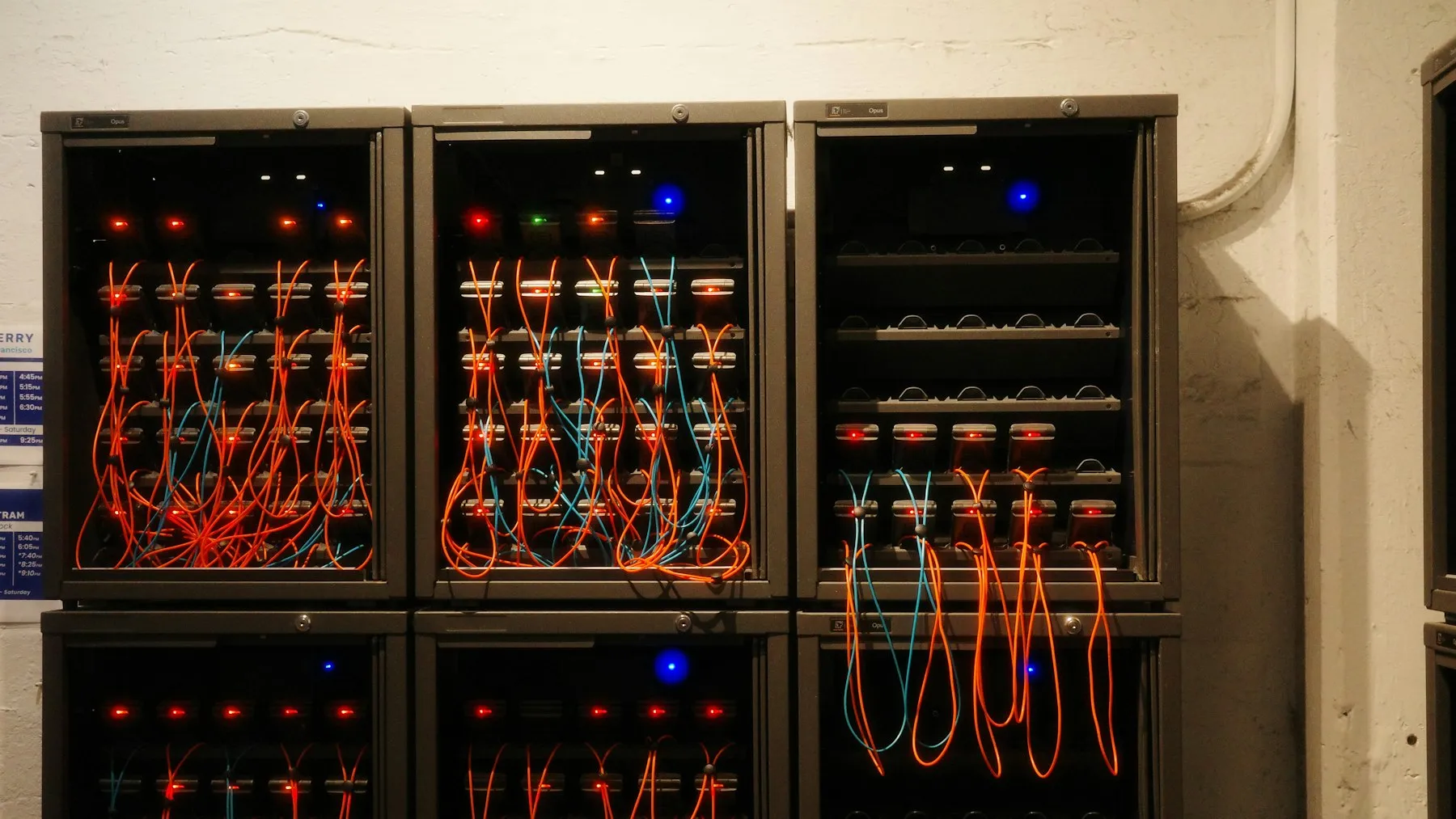
Lumentum makes the lasers, optical chips and switches that shuttle data around inside data centers. Marvell makes the custom silicon that AI companies bolt into their servers. Put the two together and you get a company that wants to own the plumbing between every chip in an AI cluster.
The thesis is blunt: Marvell is wagering $115 billion that the wiring inside AI data centers is about to be replaced by light — and it wants to sell you the light.
🧠 Why This Matters
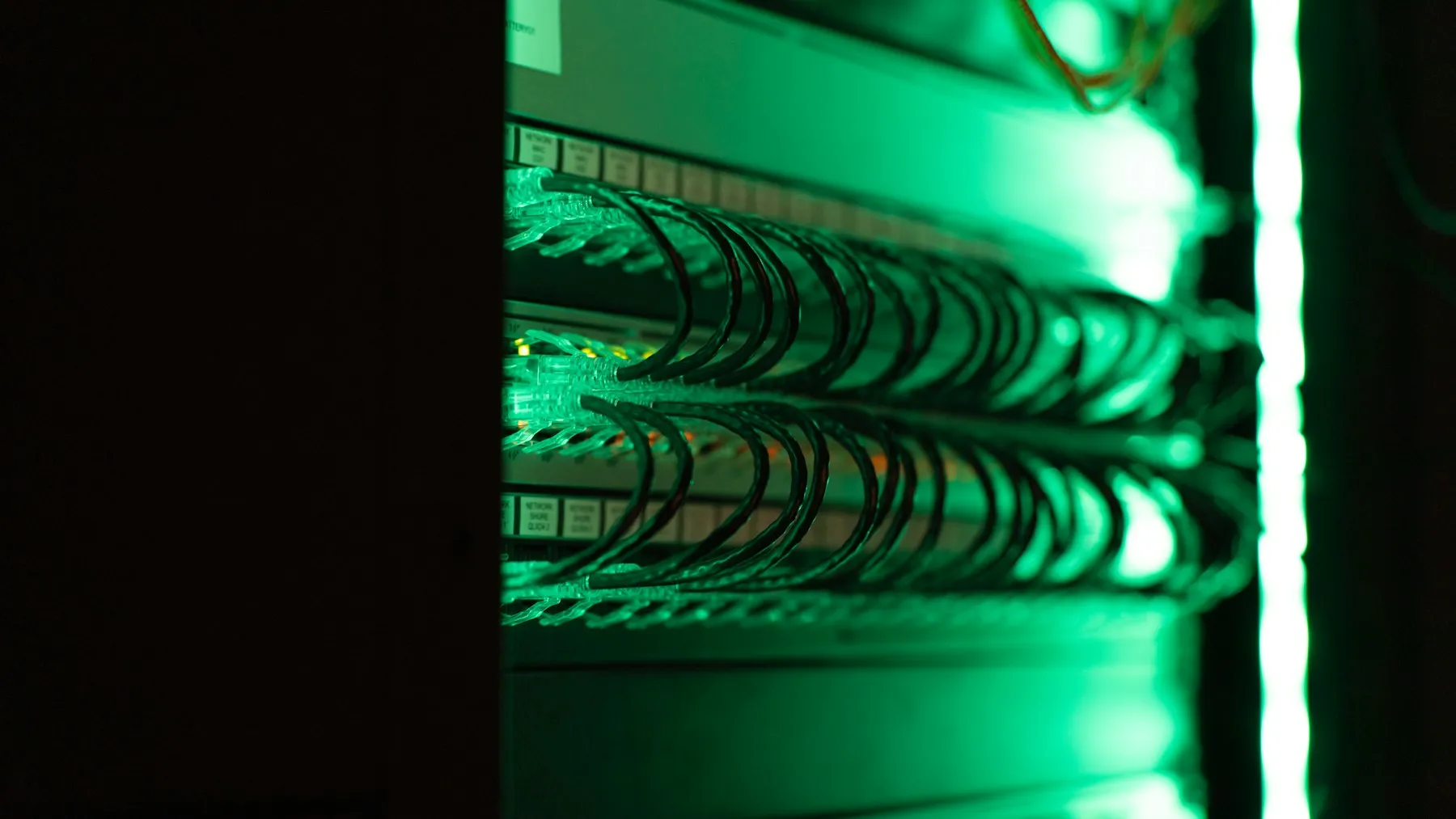
AI clusters are hitting a wall, and it isn’t the one you’d expect. The bottleneck increasingly isn’t the GPU — it’s moving data between GPUs fast enough to keep them fed. Copper wiring, the stuff that’s carried bits around computers for decades, runs out of room over distance: push the speed up and the signal degrades. Light doesn’t have that problem.
That’s the shift Marvell is buying into. As AI models spread across tens of thousands of chips, the connections between them — the “interconnect” — become the thing that decides how fast the whole system runs. Optical connectivity carries that data as pulses of light instead of electrical signals over copper, which means more bandwidth, over longer distances, burning less power.
“AI infrastructure is undergoing a fundamental architectural shift toward optical connectivity.” — Matt Murphy, CEO, Marvell (CBS News)
Marvell already sells custom AI chips to the big cloud operators. Lumentum hands it the optical layer to wrap around them. The pitch to customers is simple: buy the compute and the connections from one vendor.
📊 Deep Dive
The structure of the deal tells you how convinced Marvell is. It’s paying entirely in stock — 4.5 Marvell shares for every Lumentum share — a 23.9% premium over Lumentum’s close on October 28 (Seeking Alpha). The equity value lands around $80 billion; the $115 billion headline is enterprise value, debt included (TechCrunch).
Here’s how the deal stacks up:
- Deal value: ~$115 billion enterprise value, all-stock (TechCrunch)
- Exchange ratio: 4.5 Marvell shares per Lumentum share (TechCrunch)
- Premium: 23.9% over the October 28 close (Seeking Alpha)
- Synergies: over $1 billion in annual run-rate synergies, accretive to adjusted earnings a year after closing (Seeking Alpha)
- Combined market: addressable market pegged at $550 billion by 2030 (Seeking Alpha)
- Timeline: expected to close in the first half of 2028 (TechCrunch)
Lumentum isn’t a struggling target, either. It reported fiscal Q1 2027 revenue of $1.263 billion, up 136.5% year over year, with non-GAAP earnings of $4.57 a share against the $4.20 analysts expected (HDFC Sky). Marvell is paying a steep price for a company already growing fast.
“…creating an opportunity that comes along once in a generation.” — Matt Murphy, CEO, Marvell (TradingView)
⚠️ The Catch
Investors did not clap. Both stocks fell the day the deal was announced: Marvell dropped about 7.25% to $182.13, and Lumentum — the company being acquired, which usually rises on a buyout — fell about 12.81% to $732.94 (HDFC Sky).
Why would a target’s stock drop? Because it’s an all-stock deal. Lumentum holders aren’t getting cash — they’re getting Marvell shares, so if the market doubts Marvell can pull this off, Lumentum’s paper value sinks right along with it. And the market has doubts about writing a $115 billion check that doesn’t clear until 2028: more than a year of regulatory review, shareholder votes, and whatever the AI market decides to do in the meantime.
Then there’s the timing. The deal landed the same week the Nasdaq fell roughly 5% and chip stocks nearly 11% in a single session, as investors started questioning how long AI infrastructure spending can keep compounding. Announcing the biggest chip deal on record into a chip-stock wobble is a hard room to read.
🎯 What Happens Next
Nothing fast. The deal needs approval from both companies’ shareholders and from regulators, and closing is targeted for the first half of 2028. That’s a long runway, and a lot can move across it — rival interest, antitrust scrutiny, a cooling in AI spending.
Watch the regulators first. A combination this size, in a slice of the AI supply chain everyone suddenly cares about, will draw a close look. Watch Nvidia, too (more on that in a second). And watch whether rival chipmakers decide they also need an optics arm — if Marvell is right that light beats copper, its competitors can’t afford to be the last ones still selling wires.
🧩 Bigger Picture
Here’s the thread that ties it together: Nvidia owns a piece of both sides. In March 2026, Nvidia put $2 billion into Lumentum, then another $2 billion into Marvell later that same month (TechCrunch). The most valuable company in AI is a shareholder in both the buyer and the company being bought.
That’s the real shape of this deal. The AI buildout has moved past the chip itself. The contest now is over everything around the chip — the networking, the optics, the power, the cooling — and the largest players are quietly buying up the supply chain so that when AI demand keeps climbing, they own the toll booths it has to pass through. Marvell’s $115 billion isn’t really a bet on a laser company. It’s a bet that the plumbing is where the next decade of margins lives.
Copper got us this far. Marvell is betting $115 billion that it won’t get us much further.
Sources
- Marvell buys Lumentum for $115B — TechCrunch
- Marvell announces $115B all-stock deal for Lumentum — Seeking Alpha
- Marvell Technology to buy Lumentum in $115 billion AI connectivity deal — CBS News
- Marvell CEO sees ‘once in a generation’ optical shift — TradingView
- Top deals and earnings this week — HDFC Sky
❓ Quick answers
How much is Marvell paying for Lumentum?
About $115 billion in enterprise value in an all-stock deal announced November 2, 2026, making it one of the largest tech acquisitions ever (TechCrunch).
Why did both stocks fall after the Marvell-Lumentum deal?
Because it is all-stock: Marvell fell about 7.25% and Lumentum about 12.81% on November 2 as investors doubted a $115 billion deal that won't close until 2028 (HDFC Sky).
What does Lumentum make and why does Marvell want it?
Lumentum makes lasers, optical chips and switches for data centers; Marvell wants the optical layer to pair with its custom AI chips as data moves from copper to light (CBS News).