
🔥 The Pentagon Just Handed 3 Million People ChatGPT and Grok. Claude Got Left Outside the Wire.
The Pentagon opened GenAI.mil to 3 million personnel with ChatGPT Mil and Grok for Government at IL5 clearance. Anthropic's Claude is the one vendor left out.
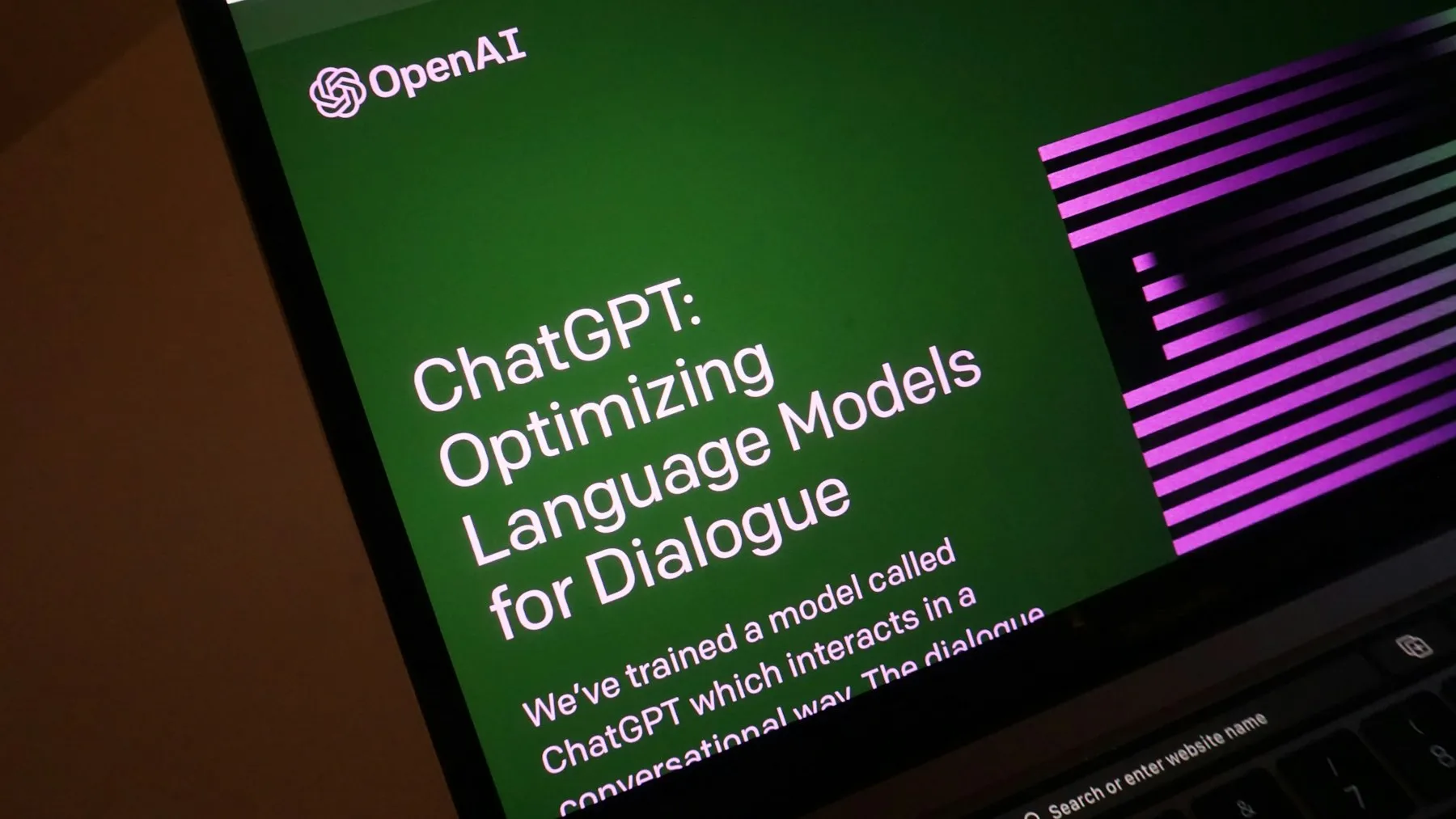
Here’s the number that matters: 3 million. That’s how many U.S. military members, civilian employees, and contractors can now log into a government website, pick between OpenAI’s ChatGPT and Elon Musk’s Grok, and start typing (TechCrunch).
On August 31, the Department of War flipped the switch on two new models inside GenAI.mil, its in-house generative-AI portal: ChatGPT Mil from OpenAI and Grok for Government from xAI’s Starshield AI unit. They join Google’s Gemini, which quietly launched the platform back in December (DefenseScoop).
The portal isn’t a pilot anymore. Since its December debut, roughly 1.7 million unique users have already logged on — more than half the eligible force, in nine months (NOTUS).
One vendor didn’t get an invitation: Anthropic. And the reason it’s missing tells you more about where military AI is headed than any of the three that made it in.
🧠 Why This Matters
For two years, the story of AI in the military was pilots, sandboxes, and PowerPoint. This is the part where it becomes plumbing. A logistician doing supply-chain analysis, an acquisition officer running market research, a staffer grinding through policy memos — all of them now have a chatbot inside the building, cleared for the sensitive-but-unclassified work that eats their days.
All three models cleared Impact Level 5 (IL5), the authorization that lets them handle controlled unclassified information — the tier just below secret (DefenseScoop). That clearance is the whole ballgame. Plenty of tools can draft an email. Very few are allowed to draft one about troop movements.
“We are moving at wartime speed: empowering the department to experiment, iterate, and deploy capabilities faster than our adversaries can adapt.” — the Department of War, in a statement (DefenseScoop)
Translation: the Pentagon has decided that moving fast on AI beats moving carefully, and it’s willing to say so out loud.
📊 Deep Dive
GenAI.mil is now a small marketplace of rival chatbots living under one government roof. The pitch is choice — let a warfighter pick the model that fits the task instead of betting the department on a single vendor. Here’s who’s on the shelf:
- Google Gemini — the launch model, live since December 2025. The one that turned GenAI.mil from an idea into a login.
- ChatGPT Mil (OpenAI) — new on August 31. Supports chat, files, projects, and custom GPTs, aimed at “document-heavy” unclassified work: admin, logistics, planning, policy (TechCrunch).
- Grok for Government (xAI / Starshield AI) — also new on August 31. Pitched for acquisition market research and supply-chain management, delivered through Musk’s national-security arm.
- Anthropic Claude — not on the shelf, despite being one of the most widely used enterprise models in the country.
Three vendors got the same IL5 stamp on the same day. The interesting one is the empty slot.
“ChatGPT Mil brings a familiar commercial experience into the Department’s secure environment, tailored to warfighter needs.” — the Department of War (ANI)
⚠️ The Catch
Anthropic isn’t missing by accident. In February, the Pentagon designated the company a national security “supply-chain risk” after it declined to make Claude available for every lawful military use. Anthropic wanted written guardrails against two specific things: mass domestic surveillance and fully autonomous lethal weapons. The department wanted no strings. It went with vendors who didn’t ask (NOTUS).
Then it got complicated. Last week, a federal judge struck down the risk designation, ruling the government had unlawfully retaliated against Anthropic for its stance (NOTUS). So the company barred for insisting on limits around autonomous weapons is currently winning in court — while its three competitors are already inside the system.
There’s a second catch nobody’s advertising. Pentagon officials wouldn’t say whether “planning” and “policy” quietly include operational planning, intelligence analysis, or targeting (NOTUS). The line between “help me format this logistics memo” and “help me plan this operation” is a prompt away, and right now it’s undrawn.
🎯 What Happens Next
Watch three things. First, whether the court fight forces Claude back onto GenAI.mil — an awkward reversal that would put the safety-guardrails vendor next to the ones that skipped them. Second, whether usage climbs past that 1.7 million mark toward the full 3 million, which would make the chatbots genuinely load-bearing rather than a novelty. Third, whether IL5 is the ceiling or the floor: the obvious next request is a classified version, and every vendor here knows it.
The near-term reality is duller and bigger. Millions of routine government documents are about to be drafted, summarized, and edited by commercial AI. The productivity math is real. So is the fact that a hallucination in a supply-chain memo lands differently when the supply chain is for a carrier group.
🧩 Bigger Picture
Silicon Valley spent a decade insisting it would never build for the Pentagon. That era is over. OpenAI, xAI, and Google are now co-tenants in a federal AI portal, competing for the same 3 million users, on the same clearance, racing each other into the one customer that never runs out of budget.
The through-line is that the government stopped picking a national AI champion and started running a bake-off — many models, one login, choose your fighter. It’s a bet that competition inside the walls beats a single big contract. Whether that produces better tools or just more places for a confident wrong answer to hide is the question nobody’s clearance level can answer yet.
The military didn’t buy an AI. It built an app store — and left the one vendor that asked about the weapons policy standing outside the gate.
Sources
- TechCrunch — The Pentagon now has its own version of ChatGPT and Grok
- DefenseScoop — Grok, ChatGPT added to GenAI.mil
- NOTUS — Pentagon Broadens AI Tools to Include ChatGPT and Grok
- ANI — US Department of War expands GenAI.mil with ChatGPT Mil and Grok
- Breaking Defense — ChatGPT will be available to 3 million military users on GenAI.mil