Space Tech / AI Infrastructure
🔥 Starcloud Raised $250 Million to Run Nvidia GPUs in Orbit — and Filed to Launch 88,000 Satellites
Starcloud closed a $250M Series A extension at a $2.3B valuation to run Nvidia GPUs in orbit. One H100 is already up there; the FCC filing asks for 88,000 satellites.
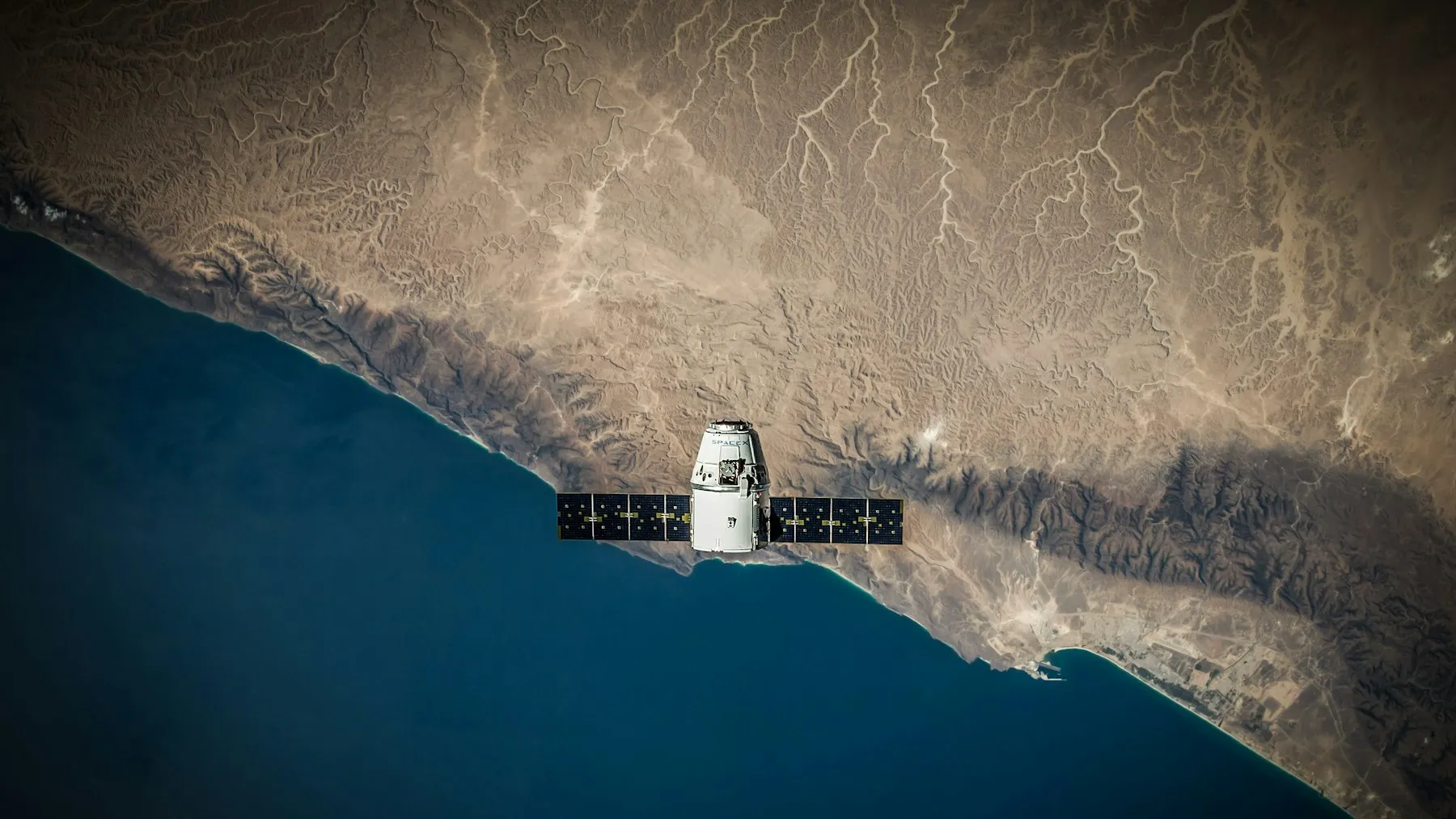
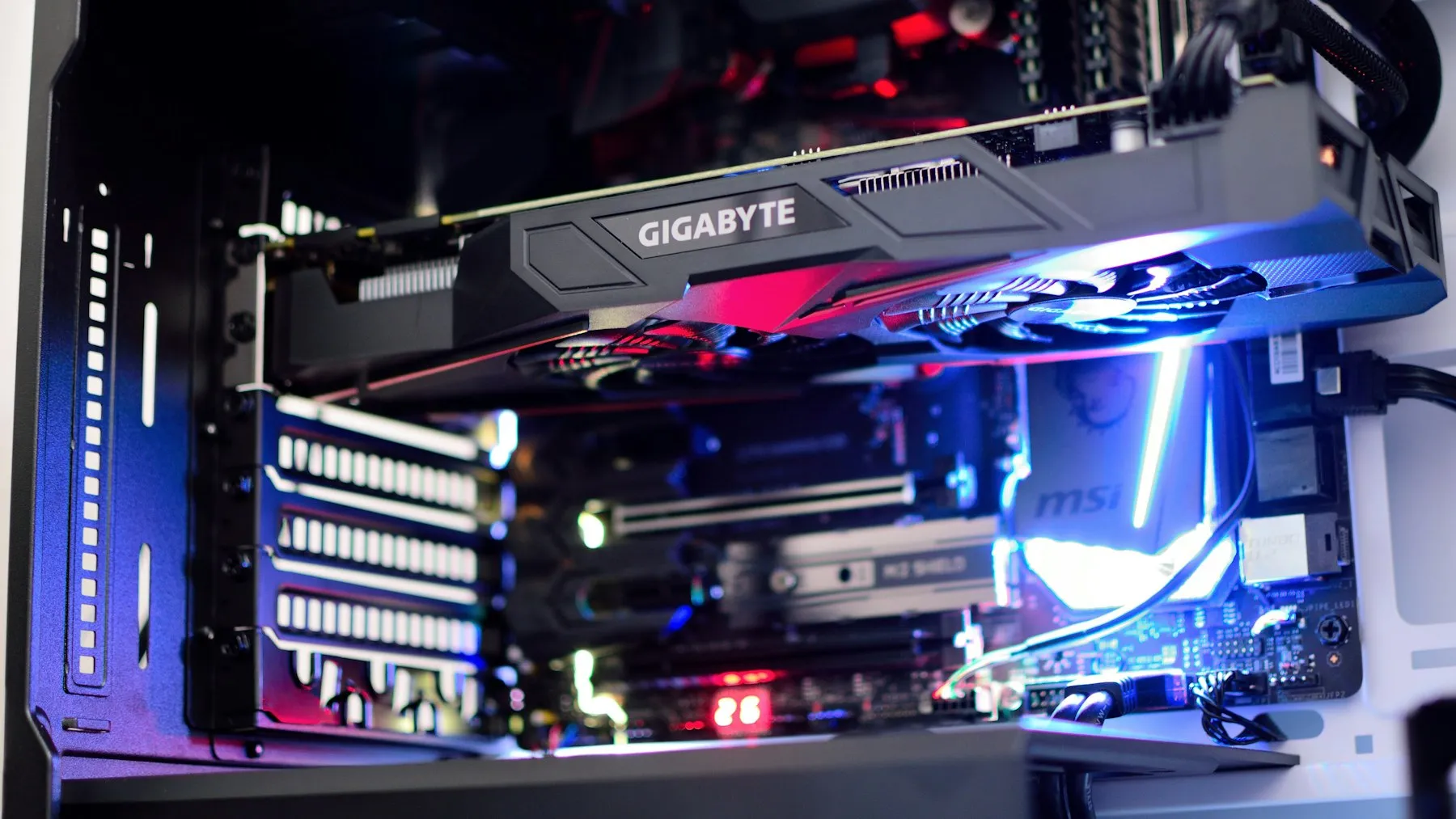
There’s an Nvidia H100 — the same chip data centers on Earth wait months to get — running in space right now. A startup called Starcloud put it up there last November, used it to train a small language model, and then went and raised a pile of money to do the whole thing about 88,000 more times.
Let’s get the number on the table first: $250 million. That’s the Series A extension Starcloud just closed, lifting the company to a $2.3 billion valuation and pushing its total raised past $450 million since 2024 (DCD). Manhattan West led the round. Nvidia wrote a check too — a reported $25 million of it (TechCrunch).
Why would the world’s most valuable chipmaker back a company that wants to fly its GPUs into orbit? Because the pitch aims straight at the thing keeping every AI executive awake at night: power. Data centers on the ground are slamming into land, water, and grid limits — plus the local politics that come with all three. Starcloud’s answer is to stop fighting for those things and go somewhere the sun never sets.
The thesis in one line: if AI’s real ceiling is energy, the cheapest energy might be the kind you never have to plug into a grid.
🧠 Why This Matters
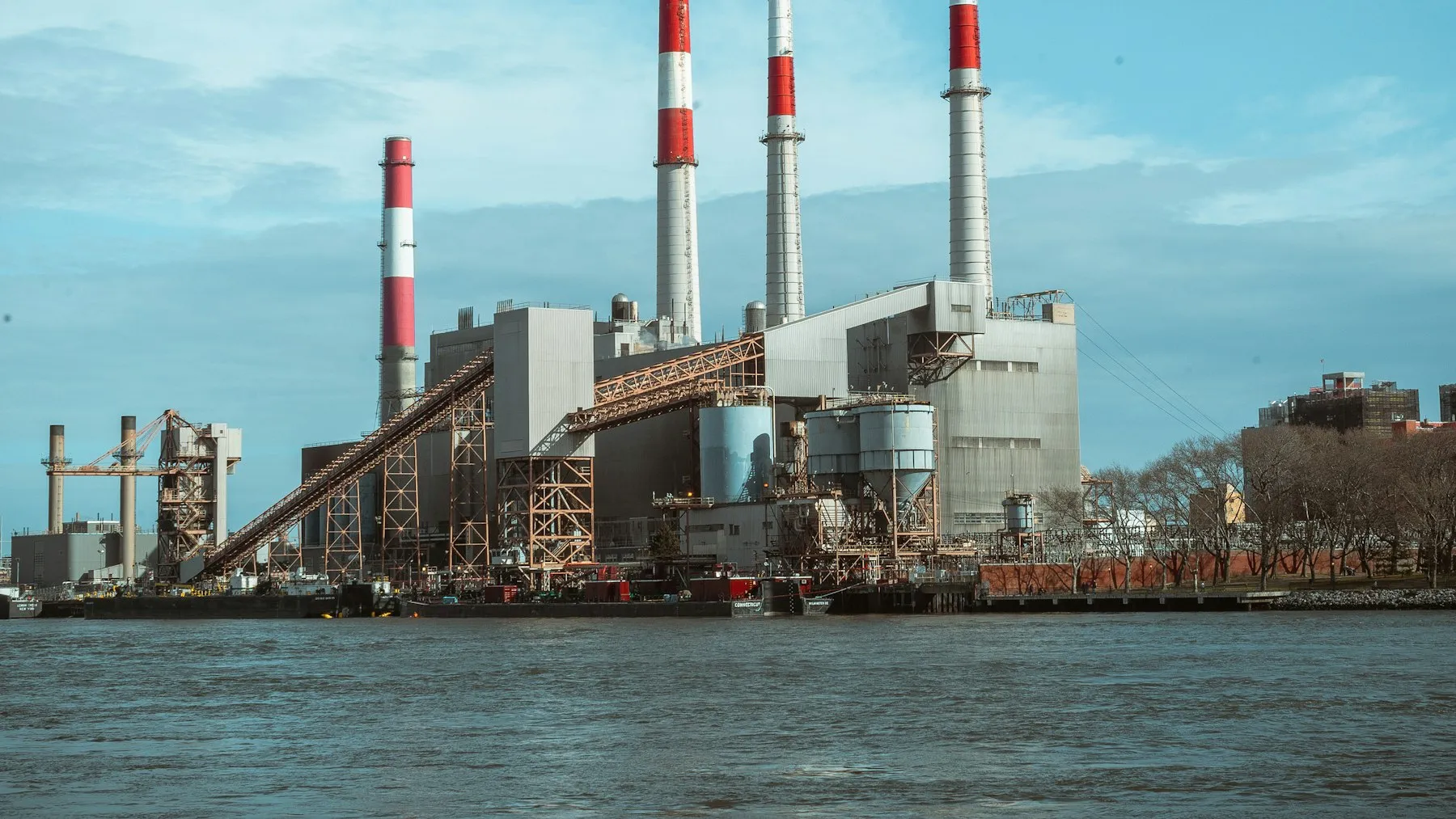
The AI boom has quietly become an energy story. Training and running big models eats electricity, and the queue for grid connections in the U.S. now stretches years. Utilities are restarting old plants. Towns are fighting new builds over water use. The bottleneck isn’t chips anymore — it’s the outlet you plug them into.
Starcloud’s argument is that orbit sidesteps the whole mess. In space, sunlight is constant and uninterrupted — no night, no clouds, no seasons. There’s no land to permit, no municipal water to pipe in, and no neighbors to object. The company frames the whole bet as a fix for what CEO Philip Johnston calls the “AI energy bottleneck” (Interesting Engineering).
“Last November we put the first NVIDIA H100 in orbit. Today this fresh capital empowers us to build the infrastructure to launch many more of NVIDIA’s most advanced GPUs into space.” — Philip Johnston, Starcloud CEO (GeekWire)
That an investor list including Nvidia, Cisco Investments, Benchmark, and EQT is willing to fund it tells you the idea has crossed from science-fiction pitch to something serious money will underwrite.
📊 Deep Dive
Here’s what Starcloud actually has versus what it’s promising — the gap is the whole story.
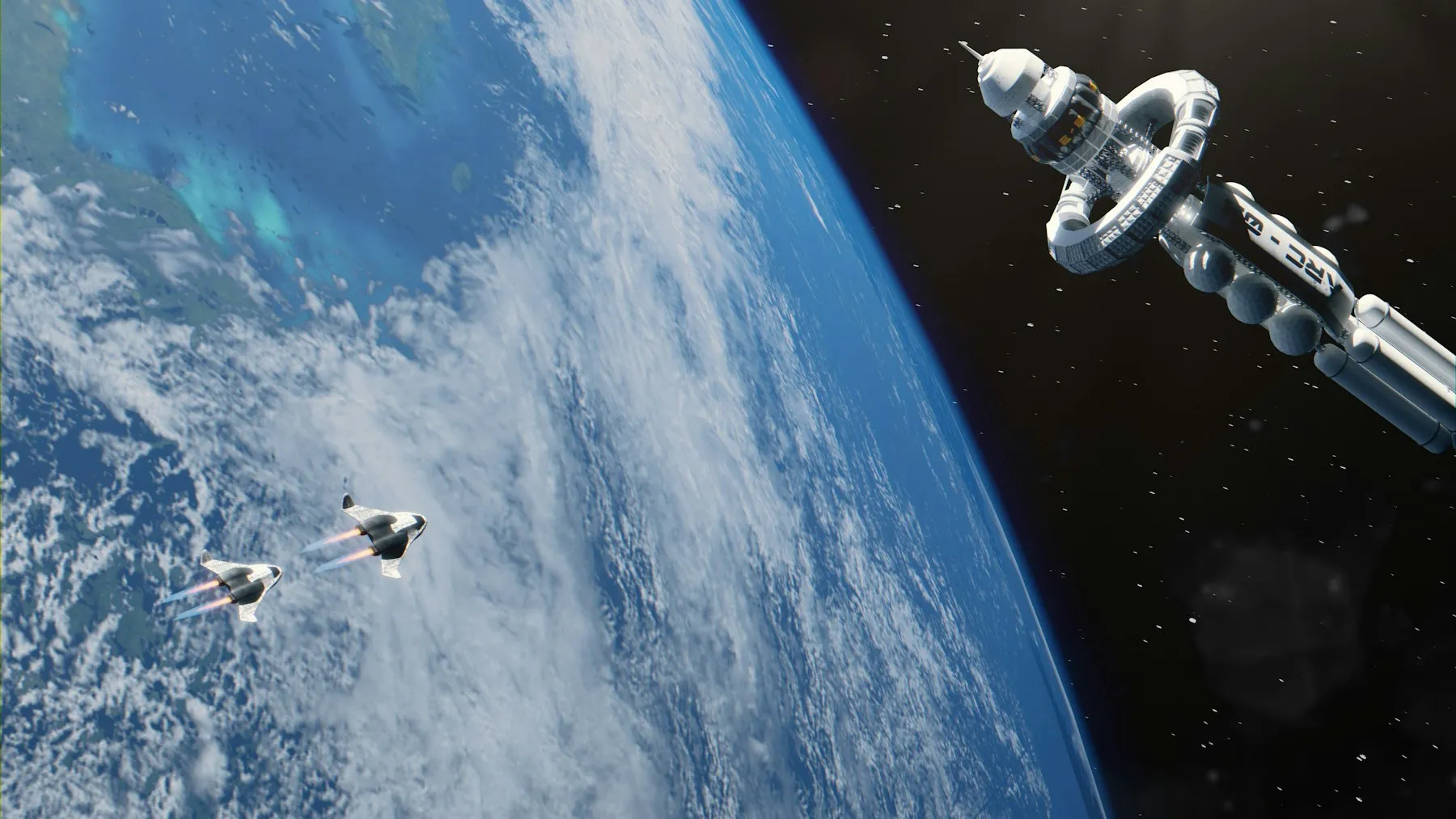
The company is a 25-person operation running a 100,000-square-foot factory in Woodinville, Washington (DCD). It has already flown a single H100 to orbit, trained a NanoGPT model on it, and run Google’s lightweight Gemma model — real workloads, in space, today. Next up are two Starcloud-2 satellites, each carrying roughly 8 kilowatts of compute, booked on rideshare launches in 2027. The bigger Starcloud-3 is meant to ride SpaceX’s Starship (TechCrunch).
Now the promise. Starcloud has filed with the FCC for a constellation of 88,000 satellites and talks about an eventual 20 gigawatts of orbital computing capacity (Interesting Engineering). For scale, 20 GW is roughly the output of twenty large nuclear reactors’ worth of power — aimed entirely at running AI. It also plans to swap the H100 for Nvidia’s space-optimized Vera Rubin module around late 2028.
The contrast between the two columns:
- Today: 1 GPU in orbit vs. Filed for: 88,000 satellites
- Today: a NanoGPT trained in space vs. Promised: 20 GW of AI compute
- Today: 8 kW per Starcloud-2 satellite vs. Needed: a constellation thousands of times larger
- Now flying: Nvidia H100 vs. Planned for ~2028: Nvidia Vera Rubin
- Raised: $450M total vs. Required: a launch bill nobody has fully priced
The physics has one genuinely elegant twist. On Earth, cooling a data center means fans, chillers, and a lot of water. In the vacuum of space there’s no air to move heat, so Starcloud dumps waste heat through radiators instead — a different engineering problem, but one that doesn’t drink from a reservoir.
⚠️ The Catch
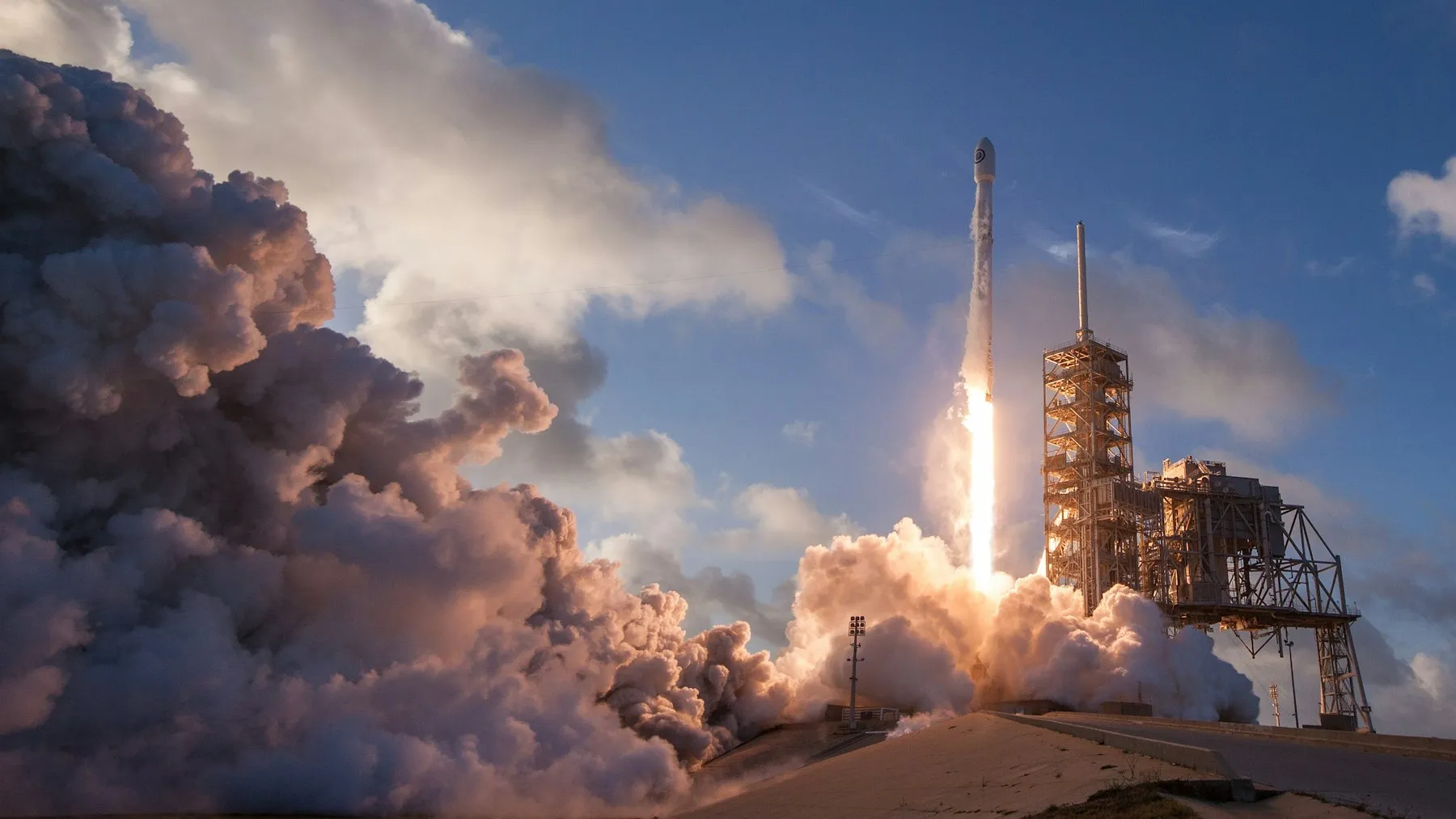
Start with the launch math. Getting mass to orbit is still expensive and capacity-limited, and Starcloud knows it — Johnston told TechCrunch bluntly that the company is bracing for it.
“We can see what’s coming — we’re going to need to book an enormous amount of launch.” — Philip Johnston (TechCrunch)
Then there’s the 88,000 figure. An FCC filing is a request, not a runway — regulators, astronomers worried about crowded skies, and space-traffic watchdogs all get a say, and a number that large will draw every one of them. Radiation degrades electronics in orbit, servicing a broken satellite isn’t a truck roll, and the top-of-the-line Vera Rubin hardware is still a 2028 aspiration. The valuation is $2.3 billion; the revenue is early. This is a bet on a curve bending, not a business already humming.
🎯 What Happens Next
Watch the 2027 rideshare launches. If the two Starcloud-2 satellites go up and run real customer workloads — the company already counts U.S. government agencies among its targets — the story graduates from demo to service. If they slip, the gap between the H100 in orbit and the 88,000-satellite dream starts to look less like a roadmap and more like a moonshot.
The other tell is competition. SpaceX has floated its own orbital-compute ambitions, and other players are circling the same idea. When Starship’s cadence and cost curve are the load-bearing assumption for your entire business model, you’re only as fast as the rocket underneath you.
🧩 Bigger Picture
Strip away the satellites and this is a story about where AI’s growth actually runs out of room. For a decade the constraint was silicon. Then it was the chips themselves. Now, increasingly, it’s the power and cooling to keep those chips fed — and that’s a physical, permitting, water-rights problem that no clever model architecture solves.
Starcloud is the most literal answer anyone’s given: if Earth can’t spare the power, leave. Whether that’s visionary or premature depends entirely on launch costs, which have a habit of falling slower than founders promise and faster than skeptics expect. Either way, the fact that Nvidia is now funding data centers it hopes will orbit the planet tells you how strange the AI infrastructure race has gotten.
The chips already left the building. Starcloud wants them to leave the planet.
Sources
- TechCrunch — Starcloud raises $250 million for orbital data centers as launch options dry up
- Data Center Dynamics — Starcloud closes $250M Series A extension at $2.3bn valuation
- SpaceNews — Nvidia joins Starcloud’s $250 million orbital data center funding round
- GeekWire — Starcloud raises $250M for data center satellite network with Nvidia
- Interesting Engineering — NVIDIA-backed US startup to build data centers in space