Space Tech / AI Infrastructure
🔥 Starcloud Raised $250 Million to Put AI Data Centers in Orbit. Nvidia Wrote a Check.
Starcloud raised $250M at a $2.3B valuation — with Nvidia joining — to run AI data centers in orbit. Free sunlight, vacuum cooling, and an 88,000-satellite dream.
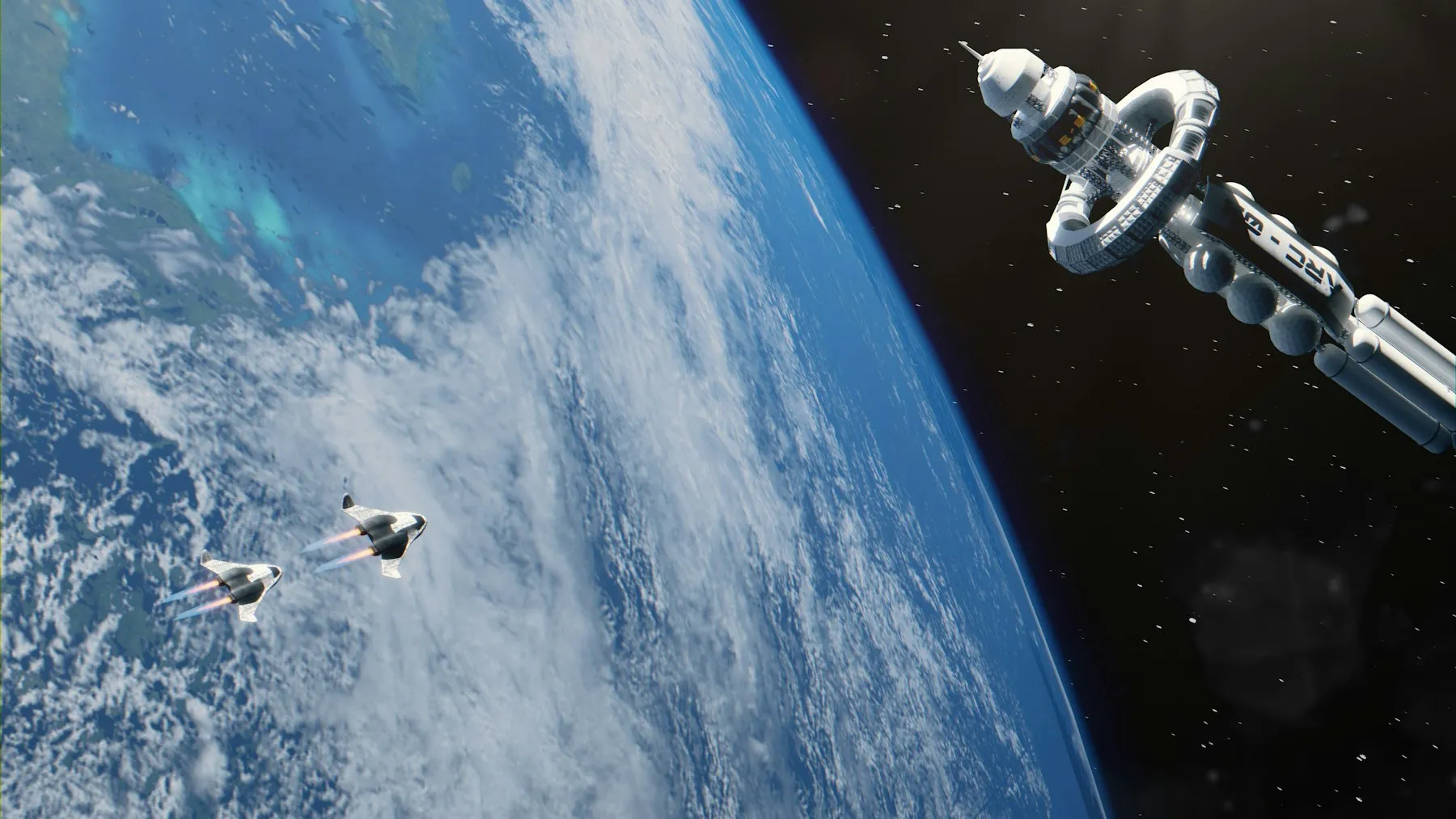
A three-year-old company with 25 employees just convinced Nvidia to help bankroll the idea of running AI training clusters in space. Not on a whiteboard. In orbit, above the weather, where the sun never sets.
Let’s get the number on the table first: $250 million. That’s the Series A extension Starcloud closed this month, at a $2.3 billion valuation, led by Manhattan West Ventures ($250M raise at $2.3B (DCD)). Nvidia joined as a new investor — reportedly a $25 million check (TechCrunch) — alongside Cisco Investments, Benchmark, EQT and others. That takes the company’s total funding to roughly $450 million since it was founded in 2024 (GeekWire).
Here’s why anyone with a spreadsheet should care: AI’s constraint has stopped being chips. It’s power, land, and cooling water — the boring physical stuff that gets built on Earth, slowly, with permits. Starcloud’s pitch is to skip all three by moving the compute somewhere the sunlight is free and the cooling is a vacuum.
The bet: the cheapest place to build a gigawatt data center might be 500 kilometers straight up.
🧠 Why This Matters
Every hyperscaler on the planet is fighting the same war right now, and it isn’t about GPUs. Data centers are colliding with the electrical grid. Projects wait years for a substation. Communities push back on the water draw. Utilities can’t add capacity fast enough to feed a training run that wants a full gigawatt on tap.
Starcloud’s argument is that space quietly solves the parts Earth can’t. In orbit you get uninterrupted solar power — no night, no clouds, no seasonal dip — and you radiate heat straight into the cold of space instead of evaporating drinking water to do it. No land acquisition. No grid interconnect queue. No neighbors.
That’s the theory. What makes this raise different from a pitch deck is that Nvidia — the company selling the actual chips — decided to fund the customer. When your GPU supplier co-signs your moonshot, it stops being purely science fiction and starts being a supply-chain bet.
📊 Deep Dive
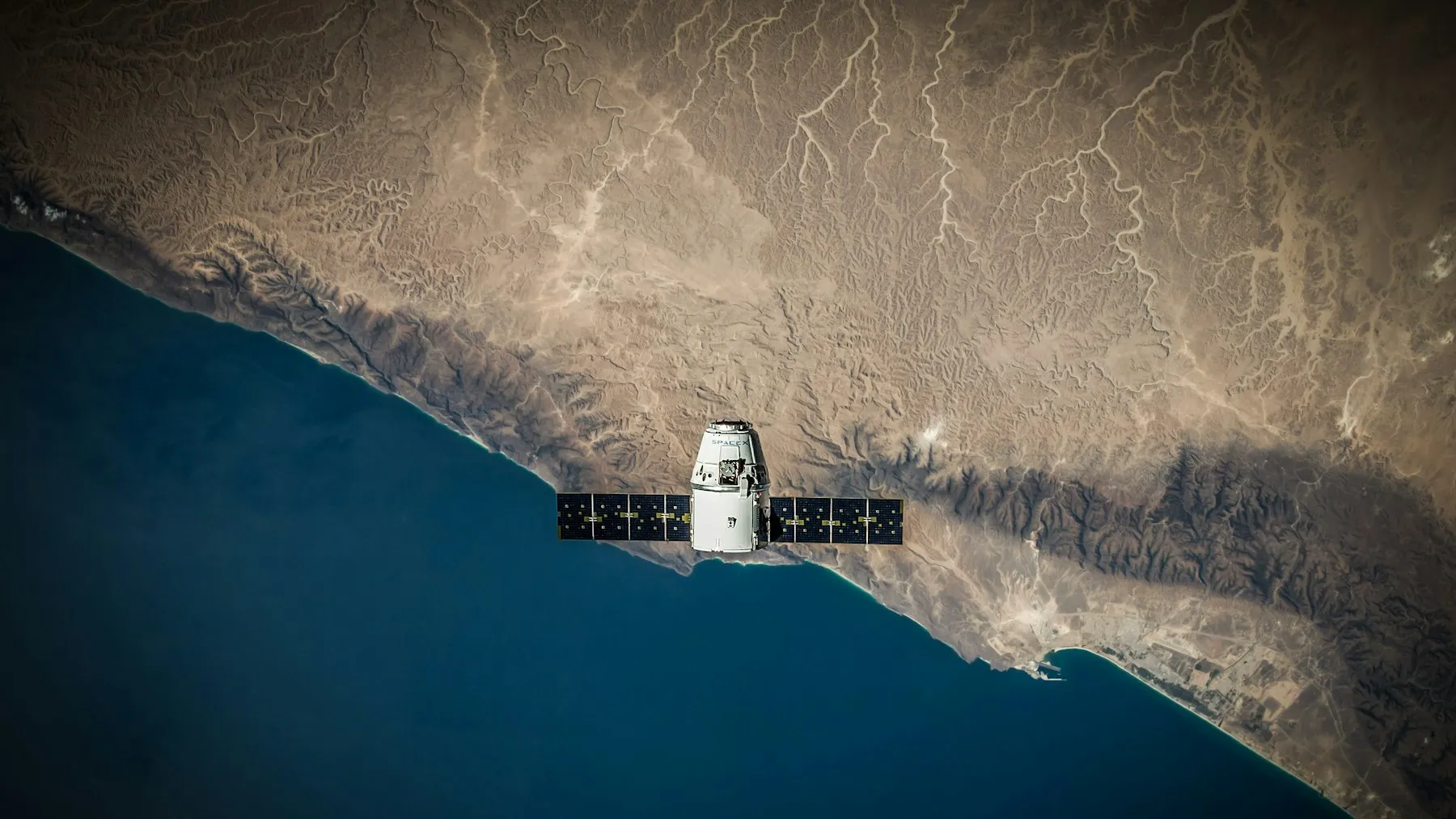
Starcloud isn’t starting from zero. Back in November 2025 it flew an Nvidia H100 to orbit aboard Starcloud-1 — the most powerful GPU ever operated in space — and used it to train a small NanoGPT model and run Google’s Gemma, all up there (DCD). So the “can you even do compute in orbit” question already has a yes attached to it.
The new money funds the scale-up. Here’s how the roadmap stacks up:
- Starcloud-1 (Nov 2025): a single H100 in orbit — proof of life, already flown.
- Starcloud-2 (2027): 8-kilowatt compute satellites, with the first two riding shared rocket flights (TechCrunch).
- Starcloud-3: a much larger spacecraft designed for SpaceX’s Starship, built on a new 100,000-square-foot production line in Woodinville, Washington (DCD).
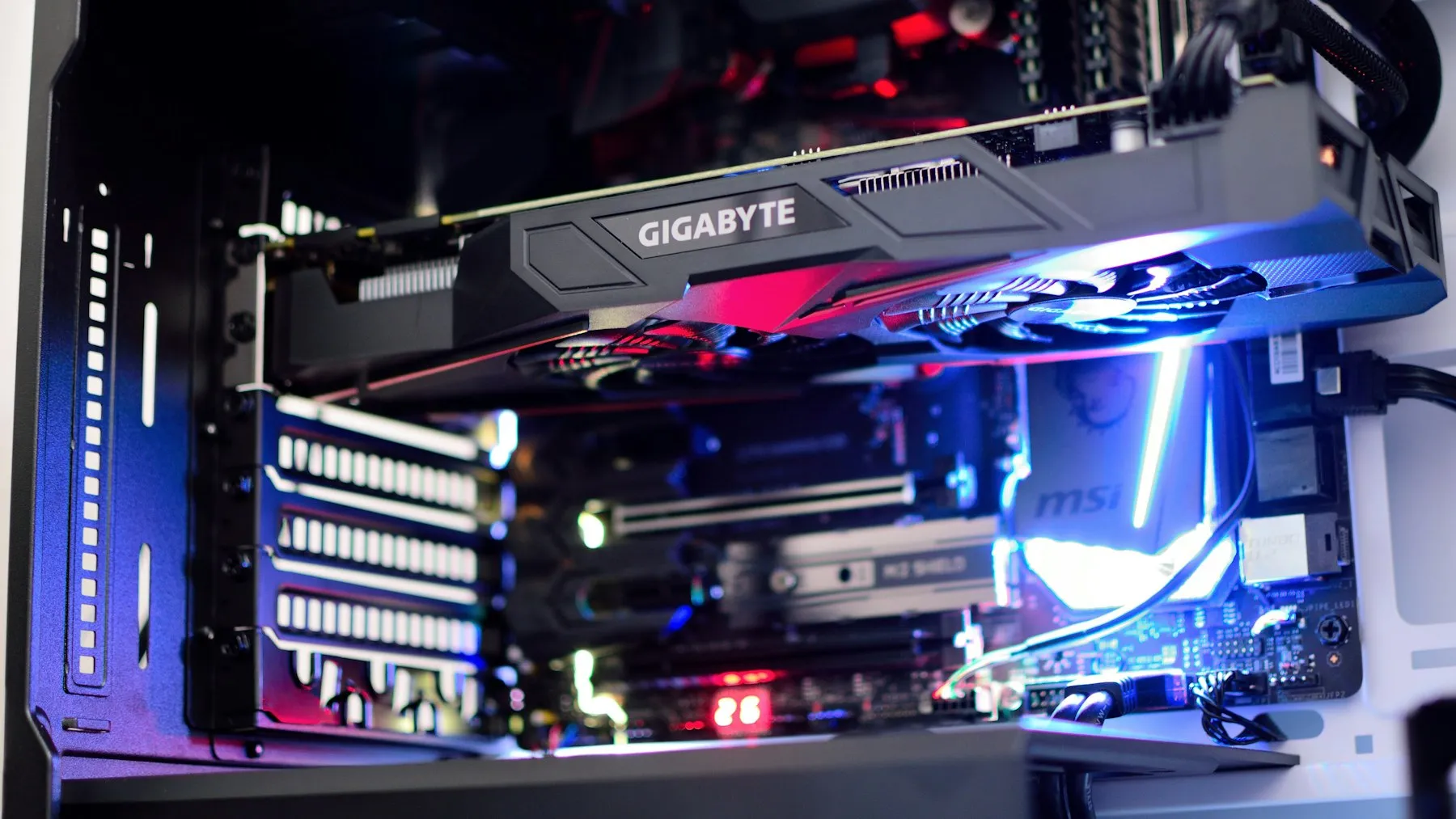
- Vera Rubin “Space-1” module (late 2028): a space-ready Nvidia part the company says packs 25× the compute of an H100 (GeekWire).
And the endgame is almost comically large. Starcloud has filed with the FCC for a constellation of 88,000 satellites delivering 20 gigawatts of orbital computing capacity (DCD). For scale, 20 gigawatts is roughly the output of twenty large nuclear reactors — parked in low Earth orbit.
“This fresh capital empowers us to build the infrastructure to launch many more of Nvidia’s most advanced GPUs into space.” — Philip Johnston, Starcloud co-founder and CEO (GeekWire)
⚠️ The Catch
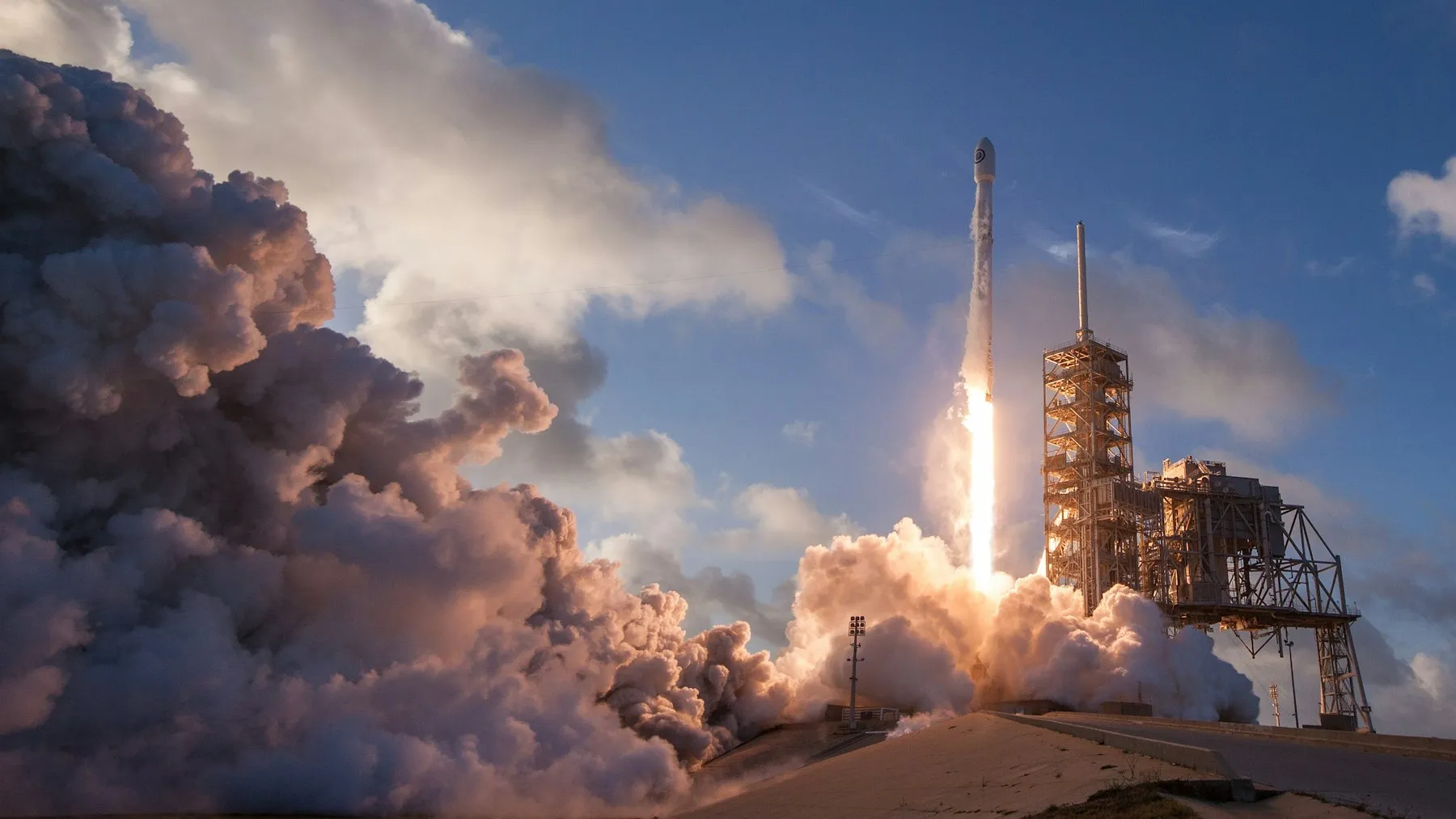
Now the cold water, of which there’s plenty. The most immediate problem isn’t physics — it’s getting there. Johnston has been blunt that launch capacity is now one of his biggest line items, and it’s getting scarce. SpaceX plans to phase out the Falcon 9 around 2028 in favor of Starship, and until Starship is reliably flying payloads, everyone building big things for orbit is competing for the same rides.
“Obviously if we can’t book any SpaceX launch capacity in 2029, that will be challenging for us.” — Philip Johnston (TechCrunch)
Then the physics reasserts itself. That “free” cooling comes with a footnote: a vacuum is a terrible conductor, so you can only shed heat by radiating it, which means enormous radiator panels to dump the waste heat from a dense GPU cluster. Add radiation shielding to keep cosmic rays from flipping bits and frying silicon, plus the ruggedizing needed to survive a launch, and the hardware gets heavy and expensive fast (TechCrunch). None of it is obviously cheaper than a warehouse in Arizona — yet.
And 25 employees against a 20-gigawatt, 88,000-satellite plan is a very long ladder to climb.
🎯 What Happens Next
The next real proof point is Starcloud-2 in 2027. If those 8-kilowatt satellites actually fly and do useful compute at a sane cost, the story graduates from “cool demo” to “line on a capex plan.” If they slip — on launch, on thermals, on economics — the $2.3 billion valuation starts looking like it priced the press release, not the product.
Watch the Vera Rubin space module in late 2028, too. That’s the point where Nvidia’s involvement stops being a $25 million flyer and becomes a genuine product line: chips built specifically to run in orbit. Whether it ships on time will tell you how serious the biggest name in AI hardware really is about this.
🧩 Bigger Picture
Zoom out and Starcloud is a symptom of one number: AI’s appetite for power is outrunning the grid’s ability to supply it. That pressure is spawning nuclear restarts, gas turbines wheeled onto data-center campuses, and now this — the idea that the sky is just unclaimed real estate with perfect sunlight.
Maybe orbital data centers stay a niche for latency-tolerant training jobs. Maybe they never pencil out against cheaper terrestrial power. But the fact that a chipmaker worth trillions just wrote a check tells you the industry is willing to look anywhere for the next gigawatt — including places with no atmosphere and no zoning board.
The AI boom ran out of cheap power on Earth. So the plan now is to go find some in space.
Sources
- TechCrunch — Starcloud raises for orbital data centers as launch options dry up
- Data Center Dynamics — Starcloud closes $250m Series A extension at $2.3bn valuation
- GeekWire — Starcloud raises $250M for data center satellite network with Nvidia
- Business Wire — Starcloud Raises $250 Million at $2.3 Billion Valuation