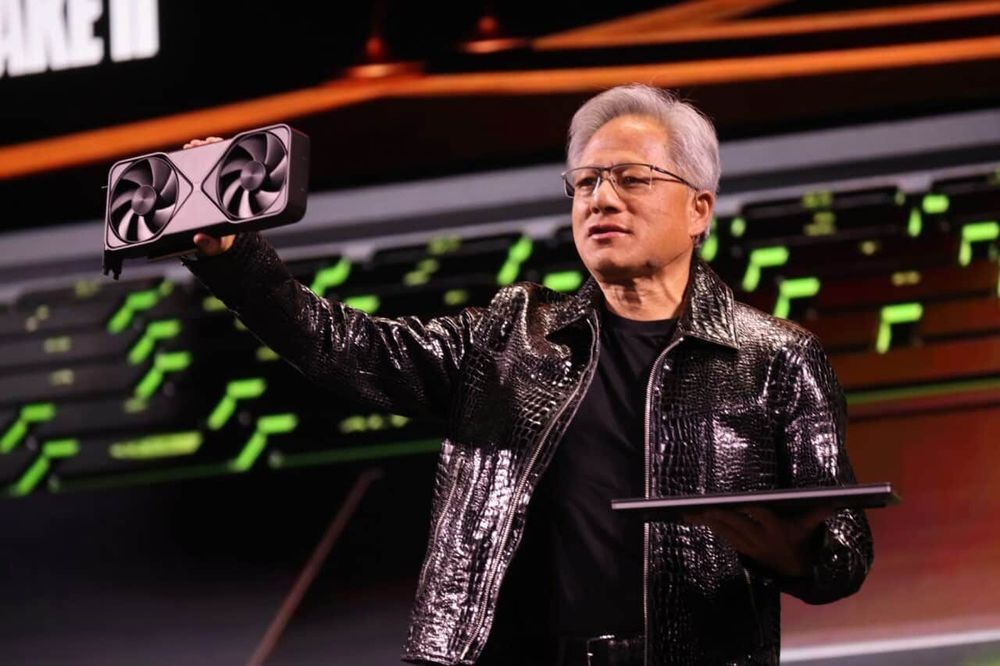

🔥 BREAKING NEWS: NVIDIA CEO Jensen Huang is set to deliver what industry insiders are calling the "Super Bowl of AI" today at 11 AM PT (7 PM UK time) from the SAP Center in San Jose. With attendees from 190 countries packing the 20,000-seat arena, this year's GTC conference represents the most significant AI hardware announcement since the ChatGPT revolution began.
🔥 What's Happening Right Now
The SAP Center—home of the San Jose Sharks—is currently filling with developers, investors, and tech executives who've traveled from around the globe. Jensen Huang will take the stage at precisely 11 AM Pacific Time (2 PM ET / 7 PM GMT) for what's expected to be a 2-hour keynote that could reshape the AI landscape for years to come.
Key Facts Verified:
- Time: Monday, March 16, 2026, 11:00 AM PT (7:00 PM GMT)
- Location: SAP Center, San Jose, California
- Attendance: 190 countries represented, 20,000+ in-person attendees
- Livestream: Free on nvidia.com (no registration required)
- Conference Code: GTC26-20 for 20% off registration
🧠 Why This Matters: More Than Just Chip Announcements
This isn't just another tech conference. NVIDIA's GTC has evolved into the definitive event for understanding where AI hardware is headed. With NVIDIA's market capitalization hovering around $4.2 trillion and controlling approximately 80% of the AI chip market, Huang's words move markets and define technological roadmaps.
The Context You Need:
- Market Pressure: NVIDIA faces increasing competition from AMD, Intel, and custom silicon from Google, Amazon, and Microsoft
- AI Bubble Concerns: Some analysts question whether AI spending can sustain current growth rates
- Specialization Trend: The industry is moving away from "one GPU does everything" toward specialized chips for specific workloads
- Inference Focus: As AI models shift from training to deployment, inference optimization becomes critical
📊 What to Expect: The Rubin Architecture and Beyond
Based on leaks, analyst reports, and industry sources, here's what Huang is likely to announce:
Vera Rubin GPU Architecture:
- Transistor Count: 336 billion (up from 208B in Blackwell)
- Memory: 288GB HBM4 (High Bandwidth Memory 4)
- Performance: 50 PFLOPS for inference workloads
- Timeline: Expected availability late 2026 to early 2027
Specialized AI Chips:
- Inference Accelerators: Dedicated chips for running AI models efficiently
- Agent Processors: Hardware optimized for autonomous AI agents
- Edge AI Solutions: Lower-power chips for on-device AI applications
Strategic Partnerships Already Announced:
- Thinking Machines Lab: Multi-year deal for at least one gigawatt of Rubin systems
- Major Cloud Providers: Expected expanded partnerships with AWS, Azure, Google Cloud
🧠 Deep Analysis: The Strategic Shift
What makes GTC 2026 particularly significant is NVIDIA's apparent strategic pivot. For years, NVIDIA pursued a "general-purpose GPU" strategy—chips that could handle everything from gaming to scientific computing to AI training. Today's announcements suggest a fundamental shift:
The Specialization Imperative:
As AI workloads diversify, a one-size-fits-all approach becomes inefficient. Training massive foundation models requires different optimizations than running thousands of inference requests or powering autonomous agents. NVIDIA appears ready to embrace this reality with purpose-built silicon.
The Inference Opportunity:
While training gets the headlines, inference represents the larger long-term market. Every AI model that gets trained eventually needs to be deployed and run repeatedly. NVIDIA's focus on inference-optimized chips suggests they're preparing for the deployment phase of the AI revolution.
The Competitive Landscape:
- AMD: Pushing hard with MI300X and upcoming MI400 series
- Intel: Betting on Gaudi 3 and beyond
- Custom Silicon: Every major cloud provider developing their own AI chips
- Startups: Dozens of AI chip startups with specialized architectures
📊 The Numbers That Matter
NVIDIA's Current Position:
- Data Center Revenue (2025): $193.5 billion
- Gaming Revenue (2025): $22.5 billion
- Market Share: ~80% of AI training market
- Stock Performance: Up 180% over the last 12 months
What Success Looks Like:
- Rubin Adoption: Rapid uptake by cloud providers and AI labs
- Inference Leadership: Dominance in the growing inference market
- Specialization Wins: Successful entry into new AI hardware categories
- Ecosystem Lock-in: Continued developer preference for CUDA platform
🔥 What Happens Next: Immediate Implications
For Developers:
New hardware means new optimization opportunities. Developers working on AI applications should pay close attention to:
- CUDA Updates: Any changes to NVIDIA's programming model
- Specialized APIs: New libraries for inference and agent workloads
- Performance Benchmarks: Real-world numbers versus theoretical specs
For Investors:
The market reaction will be telling. Key indicators to watch:
- Stock Movement: NVDA typically moves 3-8% on GTC announcements
- Analyst Reactions: Upgrades or downgrades based on roadmap clarity
- Competitor Responses: How AMD, Intel, and others position themselves
For the AI Industry:
- Cost Implications: Will new chips lower AI compute costs?
- Accessibility: Will specialized hardware make AI more or less accessible?
- Innovation Pace: How will new hardware enable new AI capabilities?
🧠 The Bigger Picture: AI's Hardware Inflection Point
We're witnessing a critical inflection point in AI development. The first phase (2018-2025) was about proving AI worked at scale. The next phase (2026-2030) will be about making AI efficient, affordable, and ubiquitous.
NVIDIA's announcements today aren't just about faster chips—they're about defining the hardware foundation for the next generation of AI applications. From autonomous agents to real-time translation to scientific discovery, the efficiency gains from specialized hardware could unlock capabilities we're only beginning to imagine.
🔥 Closing Thought: The Jensen Huang Effect
There's a reason 20,000 people are gathering in San Jose and millions will watch online. Jensen Huang has become the Steve Jobs of AI hardware—a visionary who understands both technology and theater. His keynotes don't just announce products; they frame narratives and set industry direction.
Today's keynote comes at a pivotal moment. With AI skepticism growing alongside AI capabilities, Huang needs to convince the world that the best is yet to come. He needs to show that NVIDIA isn't just riding the AI wave but steering it toward new horizons.
Bottom Line: Whether you're a developer, investor, or simply someone curious about AI's future, pay attention today. The decisions announced in San Jose will echo through the technology landscape for years to come.
Tech Arcade will provide live updates throughout the keynote and comprehensive analysis following the announcements. Follow our coverage for the deepest technical insights and market implications.