
Nintendo just did something it almost never does — and gamers are not happy about it.
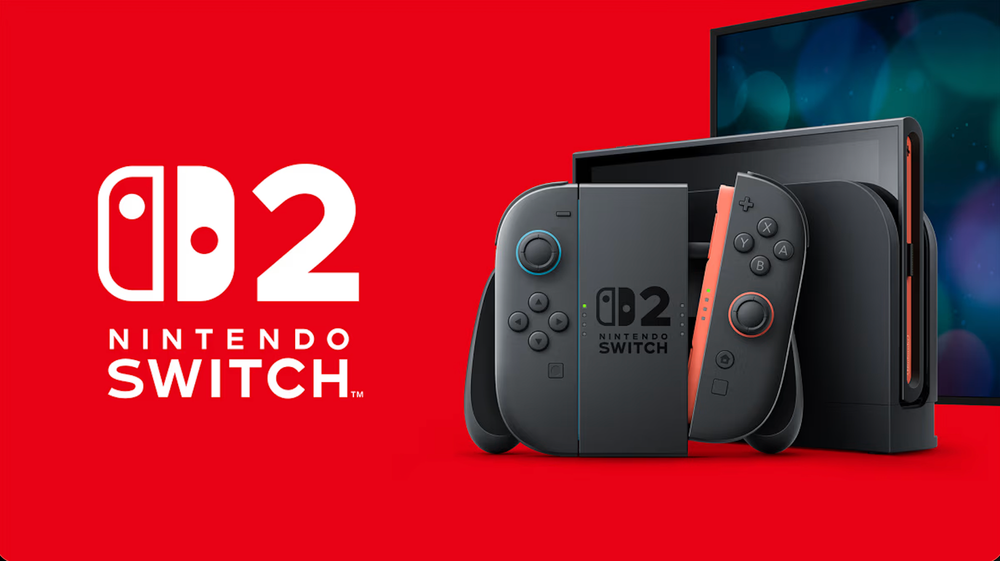
In a surprise announcement that hit wires yesterday, Nintendo confirmed it is raising the price of the Switch 2 across all major markets, effective September 1 in Western territories and May 25 in Japan. The US price jumps from $449.99 to $499.99. Europe gets a €30 bump to €499.99. Japan gets hit hardest — a ¥10,000 increase that pushes the Japanese-language system to ¥59,980.
This isn't just a minor adjustment. It's the first time Nintendo has raised the price of a console during its lifecycle since... well, ever. And the timing couldn't be more telling.
🔥 What Happened
The announcement dropped alongside Nintendo's May 2026 financial report, and the contrast is stark. On one hand, Nintendo just reported a stellar fiscal year: net sales hit ¥2.31 trillion (up 98.6%), operating profit surged 106.7%, and the Switch 2 has sold 19.86 million units since its June 2025 launch. Mario Kart World alone moved 14.7 million copies.
On the other hand? Nintendo's outlook for the coming year is significantly weaker than analysts expected. The company forecasts selling just 16.5 million Switch 2 units next fiscal year — a 17% decline from year one. That's unusual. Console sales typically peak in year two, not fall off.
CEO Shuntaro Furukawa blamed "changes in market conditions" and the "global business outlook." The company even issued an unusually contrite statement: "We sincerely apologize for the impact these price revisions may have on our customers."
Nintendo doesn't apologize often. When it does, pay attention.
🧠 Why This Matters
This price hike tells you something bigger about the global hardware market right now: memory chips are becoming a nightmare for consumer electronics.
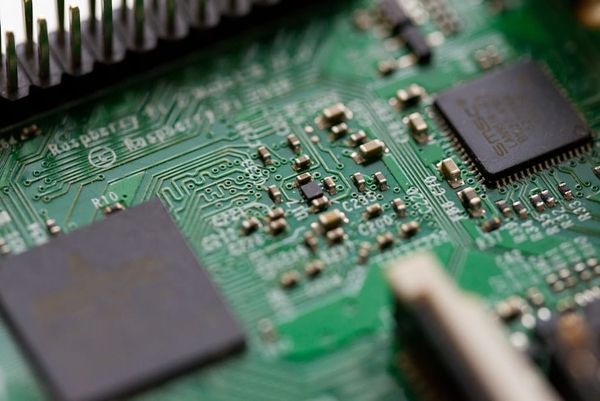
The Switch 2 uses custom DRAM and NAND flash. Those same components are being hoovered up by AI data centers in unprecedented volumes. Every new data center that comes online — and there are hundreds being built right now — needs massive quantities of high-bandwidth memory. That demand has driven DRAM prices up across the board.
CNBC reports that Nintendo's financial forecast reflects an approximately ¥100 billion ($638 million) impact from "rising component prices, particularly for memory, and tariff measures."
Let me put that in perspective. Nintendo is saying component cost increases are eating roughly $638 million of its bottom line — just on the memory side. That's not a supply chain hiccup. That's a structural market shift.
Sony already raised PS5 prices by up to $150 back in March for the exact same reason. The difference? Sony's PS5 is four years into its lifecycle. The Switch 2 isn't even a year old yet.
📊 Deep Dive — The Numbers Tell the Story
Here's the full picture of what's changing and when:
- United States: $449.99 → $499.99 (+$50)
- Canada: $629.99 → $679.99 (+$50)
- Europe: €469.99 → €499.99 (+€30)
- Japan: ¥49,980 → ¥59,980 (+¥10,000, effective May 25)
Nintendo is also introducing tiered pricing for its first-party Switch 2 games. Titles like Yoshi and the Mysterious Book (launching this month) are priced higher than standard Switch games, signaling a new pricing baseline.
- Individual 12-month: ¥2,400 → ¥3,000
- Family 12-month: ¥4,500 → ¥5,800
- Expansion Pack family 12-month: ¥8,900 → ¥9,900
Even Nintendo's original Switch lineup got price hikes in Japan — the OLED model jumps from ¥37,980 to ¥47,980, and the base Switch goes from ¥32,978 to ¥43,980. Yes, a seven-year-old console is getting more expensive.
- Net sales forecast: ¥2.05 trillion vs analyst expectations of ¥2.46 trillion
- Net profit forecast: ¥310 billion vs analyst expectations of ¥418.5 billion
- Nintendo shares have fallen nearly 50% from their August 2025 all-time high above ¥14,000
When Bloomberg, CNBC, and IGN all lead with "Nintendo outlook disappoints," you know it's a serious signal.
⚠️ The Catch
Here's where this gets tricky.
The Switch 2 was already $449.99 — $50 more than the original Switch's launch price of $299.99 (which itself was already considered premium). Now at $499.99, the Switch 2 costs as much as a launch PS5 Digital Edition, and $70 more than an Xbox Series X.
Nintendo has historically competed on a different axis than Sony and Microsoft — lower price, innovative form factor, family-friendly exclusives. At $499.99, the value proposition shifts. The question becomes: are parents going to pay $500 for a console primarily marketed to kids and families?
Kantan Games analyst Serkan Toto put it bluntly to CNBC: "The clock was ticking for Nintendo for months now. The impact is quite dramatic, as console sales usually go up in the second year — and not down as Nintendo predicts this time."
A 17% decline forecast is the market equivalent of Nintendo saying, "We expect to sell fewer consoles next year because the price is going up and the component crunch isn't letting up."
There's also the memory chip shortage angle — and it's not going away. The AI data center buildout isn't slowing down. Nvidia, AMD, and a dozen AI startups are competing for the same fab capacity and memory that gaming consoles need. Analysts expect DRAM prices to remain elevated through at least 2027.
🎯 What Happens Next
Let's game out the scenarios.
Best case for Nintendo: The price hike absorbs smoothly. Pokemon Pokopia continues its surprising run as a system-seller. Star Fox (June 2026), Splatoon Raiders (July 2026), and the major Pokemon titles scheduled for 2027 drive enough software attachment to keep revenue healthy. The Switch 2 still sells 16.5 million units — just not the blowout 19.86 million from year one.
Worst case: The $500 price point creates a ceiling on addressable market. Families wait for discounts that may not come. Third-party publishers see the higher price point and price their Switch 2 games accordingly, creating a premium pricing tier that consumers resist. The 16.5 million forecast turns out to be optimistic.
Most likely: Nintendo takes a short-term hit on unit sales but holds the line on profitability. The company has ¥3.8 trillion in total assets and virtually no debt. It can absorb a slower year. The real pressure is on the game pipeline — "It is now absolutely critical for Nintendo to release blockbuster first-party games as fast as possible," Toto said.
Also worth watching: UK pricing. Nintendo has yet to confirm the revised British price, saying only that it will be "shared at a later date." The current UK price is £395.99. A £30-40 hike would push it past £425 — dangerously close to PS5 Pro territory.
🧩 Bigger Picture
This story isn't really about Nintendo. It's about what happens when two massive industries collide over the same resource.
The AI boom is consuming memory bandwidth at a rate nobody predicted. Data centers need HBM (High Bandwidth Memory) for training and inference. Gaming consoles need standard DRAM for everyday performance. They come from the same fabs. And right now, memory manufacturers are prioritizing the higher-margin AI market.
The result? A $50 price hike on a brand-new Nintendo console that had 20 million people queuing up to buy it in year one.
The ripple effects extend beyond gaming. If Nintendo — a company with ironclad pricing discipline and a famously conservative financial strategy — has to raise prices this early, every consumer electronics manufacturer is feeling the same squeeze. Smartphones, laptops, smart TVs — anything with significant memory content.
The Super Mario Galaxy Movie just grossed nearly $900 million globally. Nintendo's IP business is stronger than ever. But hardware is the backbone, and right now the backbone is being squeezed by the weight of AI infrastructure demand.
Final thought: paying $500 for a Switch 2 stings in the moment. But it's also a snapshot of something larger — the moment gaming hardware became a direct competitor with AI data centers, and lost.